


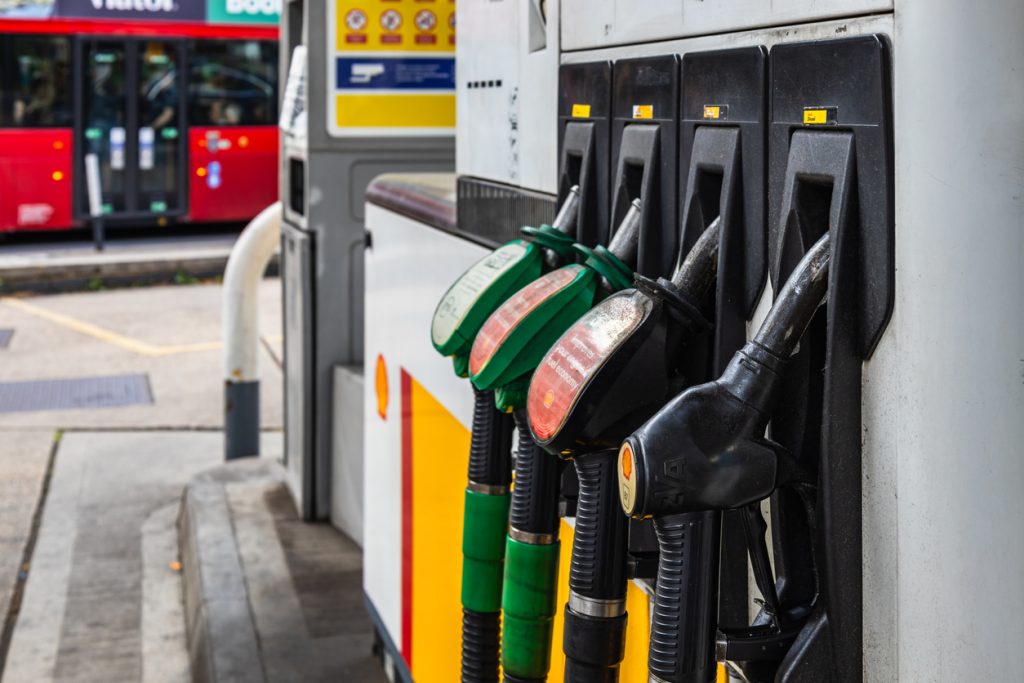
Fleet fuel budgeting in Nigeria has become a serious concern for businesses operating delivery vans, trucks, company cars, and commercial vehicles. With fluctuating petrol and diesel prices, unpredictable traffic, and increasing transportation demands, managing fuel expenses requires more than setting aside money every month.
For logistics companies, distributors, and businesses running multiple vehicles, poor fuel planning can quickly reduce profit margins. A delivery company operating between Ikeja, Lekki, and Victoria Island, for example, may spend significantly more on fuel when drivers take inefficient routes or vehicles remain stuck in traffic.
A practical fuel budget helps businesses understand their transport expenses, control unnecessary spending, and maintain reliable operations.
Calculate How Much Fuel Your Fleet Actually Consumes
Before creating a fuel budget, businesses need accurate information about their vehicles.
Start by recording each vehicle’s daily mileage, fuel purchases, average consumption, and assigned routes.
For example, a delivery van covering 150 kilometres daily and consuming 12 litres per 100 kilometres will require approximately 18 litres of fuel.
At an illustrative petrol price of ₦1,000 per litre, that represents ₦18,000 daily.
If the vehicle operates 26 days monthly, its estimated fuel expense becomes ₦468,000.
Actual costs will depend on current pump prices, vehicle condition, traffic, and driving patterns.
Businesses should calculate these figures separately for trucks, motorcycles, buses, and company vehicles rather than applying one estimate across the fleet.
Plan Fuel Expenses Around Nigerian Traffic Conditions
Traffic congestion significantly affects fleet fuel budgeting in Nigeria, particularly in busy commercial areas.
A delivery truck moving between Apapa and Ikeja may consume more fuel than expected because of congestion, loading delays, and extended engine idling.
Similarly, vehicles operating around Lekki, Ajah, and Victoria Island often experience unpredictable journey times during morning and evening rush hours.
Businesses can reduce unnecessary fuel consumption by scheduling deliveries outside peak traffic periods where practical.
Combining nearby deliveries into one trip also helps reduce repeated journeys.
Travo.ng supports businesses with transport coordination and logistics planning, helping companies organise vehicle movements more efficiently.
Set Monthly Fuel Limits Without Disrupting Deliveries
A realistic fuel budget should account for normal operations and unexpected transport demands.
Businesses should consider:
- Daily mileage: Estimate kilometres covered by each vehicle.
- Fuel consumption: Track litres used across different routes.
- Price changes: Review pump prices regularly.
- Vehicle maintenance: Address faults that increase fuel consumption.
- Emergency trips: Reserve funds for urgent deliveries.
- Driver accountability: Compare fuel purchases with actual mileage.
A contingency allowance can help businesses manage sudden fuel price increases without disrupting customer deliveries.
However, fuel limits should remain flexible enough to accommodate legitimate operational needs.
Reduce Fuel Waste Through Better Fleet Management
Fuel expenses are not determined by distance alone.
Poor vehicle maintenance, excessive idling, overloaded trucks, and unnecessary journeys can increase operating costs.
Regular servicing helps maintain engine efficiency, while proper tyre pressure reduces unnecessary fuel consumption.
Fleet managers should also monitor driver behaviour and investigate unusual fuel usage.
For businesses handling interstate cargo between Lagos, Abuja, and Port Harcourt, coordinating loads and reducing empty return journeys can produce meaningful savings.
Manage Business Transport More Efficiently With Travo.ng
Effective fleet fuel budgeting in Nigeria requires consistent monitoring, realistic planning, and efficient transport coordination.
Businesses should review fuel spending weekly, compare actual expenses against their budgets, and adjust routes when necessary.
Travo.ng offers practical support through cargo logistics, delivery services, vehicle hire, and business transport coordination.
Instead of allowing rising fuel expenses to disrupt operations, businesses can plan movements more carefully and organise deliveries around actual demand.
Contact Travo.ng to discuss your business transport and logistics requirements and explore more efficient ways to manage daily operations.
