


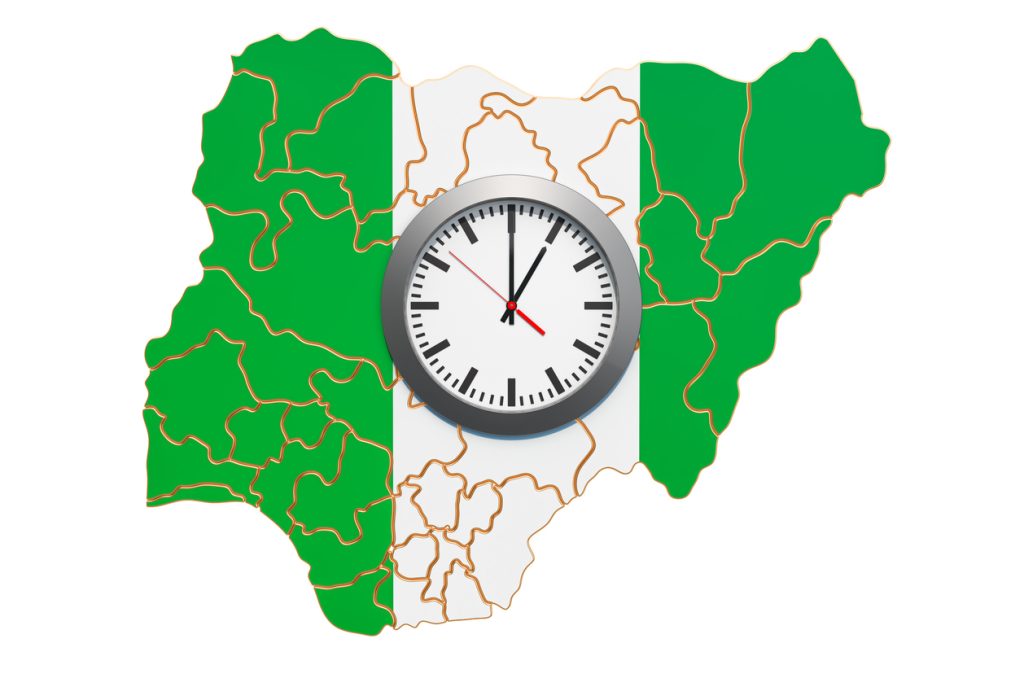
Nigeria operates on:
- West Africa Time (WAT)
- UTC +1
Unlike some countries, Nigeria does not observe daylight saving time, which means the time stays the same throughout the year.
Whether you are:
- Booking international flights
- Scheduling business meetings
- Coordinating deliveries
- Planning interstate travel
- Calling family abroad
understanding Nigeria’s time zone helps avoid unnecessary confusion and missed schedules.
For businesses and travellers especially, time coordination has become increasingly important because logistics, airport movement, courier operations, and international communication now happen across multiple countries daily.
Current Time in Nigeria
Nigeria uses one national time zone across all states, including:
- Lagos
- Abuja
- Port Harcourt
- Kano
- Enugu
- Ibadan
- Uyo
This means there is no internal time difference between Nigerian cities.
A meeting scheduled for:
- 10:00 AM in Lagos
is also: - 10:00 AM in Abuja
- 10:00 AM in Port Harcourt
Why Nigeria Uses One Time Zone
Nigeria is geographically large, but the country operates under a single national time system for simplicity.
This helps:
- Businesses coordinate operations
- Airlines maintain schedules
- Interstate transport stay organised
- Government agencies operate uniformly
- Logistics companies manage deliveries more efficiently
For transport operators moving passengers or cargo between states, having one consistent national time zone reduces operational confusion significantly.
Nigeria Time Compared to Other Countries
Here’s how Nigerian time compares to major international destinations:
| Country | Time Difference from Nigeria |
|---|---|
| United Kingdom | Nigeria is usually 1 hour ahead |
| United States (New York) | Nigeria is 5–6 hours ahead |
| Dubai | Dubai is 3 hours ahead |
| South Africa | Same time as Nigeria |
| India | India is 4.5 hours ahead |
| China | China is 7 hours ahead |
Time differences become especially important for:
- International flights
- Remote work
- Online meetings
- International shipping
- Customer service operations
Why Time Coordination Matters for Travel in Nigeria
Many travellers underestimate how important timing is when moving around Nigeria.
For example:
- Leaving too late for Murtala Muhammed Airport can lead to missed flights because of Lagos traffic
- Interstate buses departing from Jibowu or Utako often require early terminal arrival
- Same-day courier deliveries depend heavily on dispatch timing
In cities like Lagos, transport timing alone can affect:
- Flight schedules
- Delivery timelines
- Business appointments
- Interstate travel connections
This is why experienced travellers and logistics operators usually build extra buffer time into their plans.
Airport Timing in Nigeria Requires Early Planning
For domestic flights within Nigeria, most airlines recommend arriving:
- 2 hours before departure
For international flights:
- 3 to 4 hours early is safer, especially in Lagos
This is because passengers may still encounter:
- Security queues
- Traffic congestion
- Check-in delays
- Immigration processing
- Baggage screening
Travellers heading to:
- MMIA Lagos
- Nnamdi Azikiwe Airport Abuja
- Port Harcourt International Airport
often coordinate airport pickups and transport ahead of time to reduce stress.
Platforms like Travo.ng help travellers arrange:
- Airport transfers
- Vehicle hire
- Hotel bookings
- Travel coordination
- Interstate transport support
especially for passengers managing tight schedules.
Nigerian Businesses Depend Heavily on Accurate Timing
Modern Nigerian businesses increasingly operate across:
- Multiple states
- International markets
- Different customer time zones
Industries especially affected include:
- Logistics
- Courier services
- E-commerce
- International trade
- Aviation
- Hospitality
For example:
- A delayed dispatch in Lagos can affect delivery timelines in Abuja
- UK-based customers may expect responses during different working hours
- Cargo movement schedules depend heavily on accurate timing coordination
Because of this, businesses now manage:
- Delivery windows
- Driver schedules
- Airport timing
- Customer communication
- International coordination
far more carefully than before.
Why Nigerians Frequently Search “Current Time in Nigeria”
This search is especially common among:
- Nigerians abroad
- International businesses
- Students
- Travellers
- Remote workers
People usually check Nigerian time before:
- Making international calls
- Booking transport
- Scheduling meetings
- Planning airport pickups
- Confirming delivery windows
For families abroad, understanding the time difference helps avoid late-night calls or missed communication.
Common Mistakes People Make With Time Zones
Confusing UK and Nigeria Time During Summer
The UK changes time seasonally, but Nigeria does not.
Ignoring Airport Traffic Timing
Especially in Lagos, travel time to the airport can vary dramatically.
Scheduling Tight Layovers
International travellers often underestimate transfer timing.
Assuming All Countries Use the Same Time Year-Round
Many countries observe daylight saving time changes.
Nigeria’s Time Zone Supports Nationwide Coordination
Using one national time zone helps Nigeria maintain smoother coordination across:
- Transport systems
- Airline schedules
- Interstate logistics
- Courier operations
- Government services
- Business communication
Whether you are:
- Planning a trip
- Shipping cargo
- Booking flights
- Coordinating deliveries
- Scheduling meetings
understanding Nigeria’s time system helps reduce confusion and improve planning.
And as travel, logistics, and business operations continue becoming more time-sensitive, proper scheduling has become just as important as the journey itself.
