


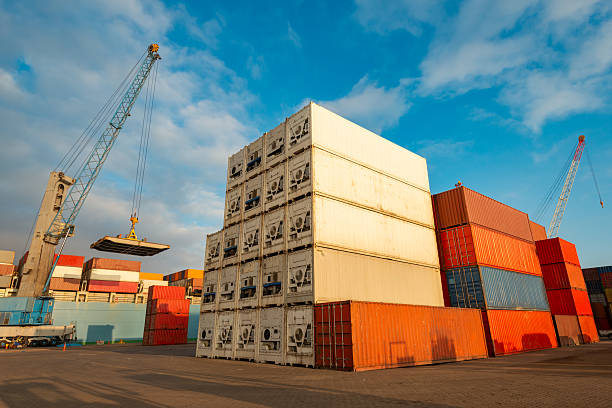
Importing goods can require a large amount of money before the goods even reach Nigeria. An importer may need to pay a supplier, arrange shipping, cover insurance, prepare customs documentation and eventually pay duties and other port-related charges.
This is where trade finance for importers becomes useful. Instead of relying entirely on available cash, an importer can use a suitable financing arrangement to fund part or all of an international trade transaction.
For Nigerian businesses, the right financing structure depends on the value of the shipment, supplier terms, import documents, repayment capacity, foreign exchange requirements and the type of goods being imported.
What Trade Finance Means for an Importer
Trade finance refers to financial products and arrangements designed to support buying and selling goods, particularly across international borders.
For an importer, financing may be used to cover expenses such as:
- Payment to an overseas supplier
- Purchase of inventory
- International freight
- Insurance
- Customs duties and taxes
- Port and terminal charges
- Inland transportation
- Working capital while waiting for goods to sell
The important point is that trade finance is not simply a general business loan. It is usually connected to a specific commercial transaction or supply chain.
Common Trade Finance Options for Importers
Different importers may have access to different financing structures.
Letters of Credit
A Letter of Credit, or LC, is a bank-supported payment arrangement in which the bank undertakes to pay the seller when the agreed documentary conditions are met.
For an importer, an LC can provide a structured way to purchase goods from an overseas supplier without necessarily making an unrestricted upfront payment.
Nigeria’s foreign trade framework has provisions covering documentary credits and import documentation, including the e-Form M process. (Central Bank of Nigeria)
An LC can be particularly relevant where the supplier wants stronger payment assurance or where the transaction is large enough to justify formal bank documentation.
Import Loans and Working Capital Finance
Some financial institutions provide short-term financing that allows an importer to purchase stock and repay the facility after the goods are sold or the business receives its expected cash flow.
This can be useful for established businesses importing regularly.
However, the importer needs to calculate the full financing cost alongside the expected profit from the shipment. A profitable product can become less profitable when financing, freight, customs charges and exchange-rate movements are included.
Documentary Collections
Documentary collection is another trade-payment arrangement where banks handle commercial and shipping documents according to agreed instructions.
Depending on the arrangement, the importer may receive documents against payment or against an accepted commitment to pay later.
The exact terms matter, so importers should understand when documents will be released and what payment obligation they are accepting.
Supplier Credit
Not every financing solution comes directly from a Nigerian bank.
An overseas supplier may agree to give the importer a period to pay after shipment or delivery. This can reduce the immediate cash requirement, although the supplier may charge more or impose conditions on the transaction.
For new relationships, suppliers are less likely to offer generous credit terms until they have established confidence in the buyer.
What a Nigerian Importer Usually Needs Before Seeking Finance
A lender will generally want evidence that the transaction is genuine and commercially viable.
Depending on the institution and facility, the importer may need documents such as:
- Business registration documents
- Tax identification details
- Bank statements
- Financial statements
- Proforma invoice
- Supplier information
- Import documentation
- Shipping information
- Evidence of previous trading activity
- Details of the goods being imported
- Customs and regulatory documentation
- Repayment plan or projected cash flow
Import documentation is particularly important. Nigeria’s import process involves documentation such as the e-Form M and other supporting documents, while customs assessment and clearance are handled through the relevant regulatory processes. (Central Bank of Nigeria)
Don’t Finance the Purchase Price Alone
One of the biggest mistakes an importer can make is asking, “How much does the supplier want?” and using that figure as the required financing amount.
The actual cash requirement can be much higher.
For example, an importer buying goods for $20,000 may also have to consider:
- International freight
- Insurance
- Customs duty
- VAT and applicable levies
- Port and terminal charges
- Clearing expenses
- Storage or demurrage where applicable
- Inland transportation
- Delivery to the warehouse
- Bank and financing charges
The importer should therefore calculate the expected landed cost before deciding how much financing is required.
Foreign Exchange Is a Major Consideration
For Nigerian importers purchasing in dollars, pounds, euros or another foreign currency, exchange-rate movements can significantly affect the final cost.
The Central Bank of Nigeria has continued to operate reforms around Nigeria’s foreign exchange market, including the market-based NFEM framework. (Central Bank of Nigeria)
This means an importer should not assume that the exchange rate used when calculating a purchase today will necessarily be the same rate available when the foreign payment is eventually made.
A financing plan should therefore consider:
- Currency of the supplier invoice
- Expected payment date
- Available foreign exchange
- Exchange-rate exposure
- Bank charges
- Amount of foreign currency required
How to Know How Much Trade Finance You Need
Start with the complete cost of getting the goods from the supplier to their final destination.
A simple calculation is:
Total import requirement = Product cost + freight + insurance + customs charges + port/clearing costs + inland transportation + other applicable expenses
Then determine how much of that amount the business can fund itself.
For example, if the total expected landed cost is ₦30 million and the importer can comfortably contribute ₦12 million, the potential financing requirement could be around ₦18 million, subject to the lender’s assessment and the actual transaction costs.
This approach is more useful than borrowing based only on the supplier’s invoice.
Trade Finance Does Not Remove Import Risk
Getting financing does not automatically make an import transaction safe.
An importer can still lose money through:
- Poor-quality goods
- Fake suppliers
- Incorrect product specifications
- Wrong HS classification
- Unexpected customs charges
- Exchange-rate changes
- Shipping delays
- Damaged cargo
- Weak market demand
- Unsold inventory
Before taking finance, confirm that the product has a realistic market in Nigeria and that the expected selling price can cover the full landed cost and financing expenses.
How Travo.ng Can Support Importers
Travo.ng can support the logistics side of an import transaction while the importer or financing institution handles the financial facility.
For example, once goods are ready to move, Travo.ng can help with relevant transportation and delivery arrangements, including cargo transportation, vehicle hire and onward delivery logistics where applicable.
This can be useful when an importer is planning the complete cost of moving goods from a port, airport or other collection point to a warehouse or business location.
Travo.ng is not a bank or trade-finance lender, and it does not replace a licensed customs agent or the Nigeria Customs Service. Its role is to support the movement and delivery side of the wider logistics chain.
Planning transportation before the goods arrive can also help an importer include realistic inland logistics costs when calculating the amount of finance required.
Questions to Ask Before Taking Trade Finance
Before accepting a financing facility, an importer should understand:
- How much will the facility actually cost?
- What collateral or security is required?
- When does repayment begin?
- Is repayment linked to the sale of the imported goods?
- What happens if the shipment is delayed?
- What happens if the exchange rate changes?
- Are there additional processing or documentation charges?
- Can the financing cover freight, duties or only the supplier payment?
- What happens if the goods arrive damaged or cannot be cleared?
- Does the financing structure comply with the importer’s financial and religious requirements?
The final question is particularly relevant to businesses that require non-interest financing. Such importers should specifically ask financial institutions about available non-interest structures rather than assuming that every trade-finance product has the same terms.
A Practical Trade Finance Plan for Importers
A sensible process is to first identify the product and supplier, verify the transaction and calculate the complete landed cost.
Next, prepare the necessary import and business documentation and determine how much of the transaction can be funded from the company’s own cash.
The remaining requirement can then be discussed with an appropriate financial institution or financing provider.
At the same time, plan freight, customs clearance, port handling and inland transportation before the shipment is dispatched.
This gives the importer a clearer picture of the actual cash requirement instead of discovering additional costs after the goods have arrived.
For growing Nigerian import businesses, trade finance can provide access to inventory and international suppliers without requiring the business to fund every part of a transaction from its own cash. But the financing must be assessed alongside landed cost, exchange-rate exposure, repayment obligations and the expected selling price of the goods.
