


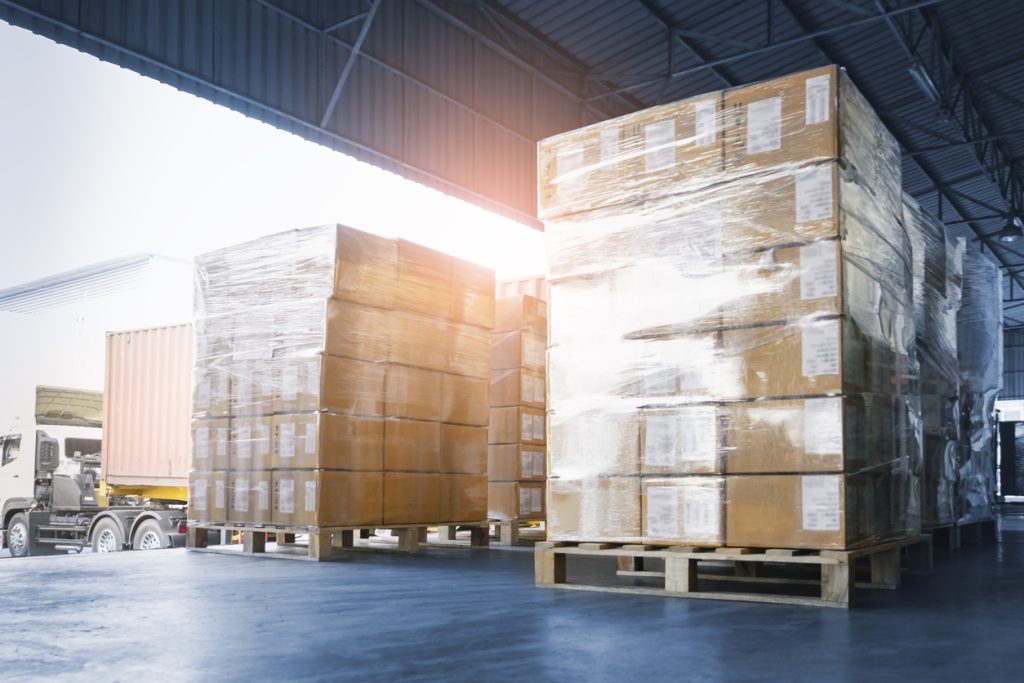
Moving goods in Nigeria is not always as simple as loading cartons into a vehicle and sending them off. Once the items are many, heavy, fragile, or meant for business delivery, poor handling can lead to damaged stock, missing cartons, delayed drop-offs, and arguments at the delivery point.
That is where palletised freight becomes useful.
Palletised freight simply means arranging goods on a pallet, securing them properly, and moving them as one stable unit. It is common for businesses sending cartons, packaged food items, electronics, spare parts, retail stock, event materials, and warehouse supplies from one city to another.
For Nigerian businesses that move cargo between places like Lagos, Abuja, Port Harcourt, Ibadan, Kano, Onitsha, Enugu, and Benin, palletising can make freight safer, easier to count, and better organised.
When Palletised Freight Makes Sense
Not every delivery needs a pallet. If you are sending one small parcel within Lagos, a regular courier service is usually enough. But once your goods are bulky or arranged in multiple cartons, palletised freight is often the smarter option.
It is useful when:
- You are sending several cartons to one customer or branch
- The goods must not be crushed during loading
- You need easier stock counting at pickup and delivery
- Items are going to a warehouse, supermarket, hotel, office, or distributor
- The cargo is moving interstate by truck or van
- You want fewer handling mistakes during transit
For example, a business in Ikeja sending packaged products to Abuja may prefer palletised movement instead of loose cartons. The goods can be wrapped, labelled, loaded once, and checked properly at the destination.
What It Actually Solves During Nigerian Cargo Movement
One major problem with loose cargo is repeated handling. Cartons may be lifted, dropped, stacked badly, or mixed with other customers’ items. On busy routes, especially Lagos to Abuja or Lagos to Port Harcourt, cargo may pass through loading points where poor arrangement causes damage.
Palletised freight reduces that risk because the goods stay grouped together.
It also helps with accountability. Instead of saying “we loaded 43 cartons somewhere in the truck,” the shipment can be recorded as one or more palletised units with clear labels, quantity notes, pickup address, receiver details, and delivery instructions.
This is especially important for businesses sending goods to hotels, retail outlets, construction sites, schools, offices, or resellers.
Typical Routes and Delivery Timing
Palletised freight timing depends on the route, vehicle availability, cargo size, loading time, and road conditions.
For many Nigerian routes, customers can expect:
- Lagos to Abuja: usually 24 to 72 hours depending on urgency and vehicle type
- Lagos to Ibadan: often same day or next day
- Lagos to Port Harcourt: commonly 2 to 4 days
- Abuja to Kano: often 1 to 3 days
- Lagos mainland to island business deliveries: same day possible if arranged early
These timelines can change during fuel scarcity, festive travel periods, heavy rain, port congestion, or major traffic disruption around places like Apapa, Mile 2, Berger, Ajah, Lekki, and major expressways.
Travo.ng helps customers plan around these realities instead of making unrealistic delivery promises.
Cost Factors Customers Should Understand
The price of palletised freight is not only about distance. Logistics teams usually consider:
- Number of pallets
- Weight and volume of the goods
- Pickup and delivery locations
- Need for loading or offloading support
- Vehicle type required
- Interstate route difficulty
- Urgency of delivery
- Whether goods need special handling
For example, one pallet of light packaged goods from Lagos to Ibadan may cost far less than heavy industrial items moving from Lagos to Abuja. A delivery requiring pickup from a tight street in Lagos Island may also need more coordination than warehouse pickup in Ikeja or Ogba.
The best approach is to share cargo details early, including photos, quantity, dimensions, weight estimate, pickup address, delivery address, and preferred delivery date.
Mistakes People Make When Sending Bulk Goods
Many freight problems start before the vehicle even arrives.
Common mistakes include:
- Using weak cartons for heavy items
- Not wrapping goods properly
- Forgetting to label each pallet or carton
- Giving incomplete receiver details
- Underestimating cargo size
- Booking too late during busy periods
- Assuming every vehicle can carry every type of freight
A palletised shipment should be prepared with clear labels, strong packaging, stretch wrap where needed, and accurate contact details. If the receiver is a warehouse, estate, mall, school, or office complex, delivery instructions should include gate access, contact person, and offloading arrangement.
How Travo.ng Supports Palletised Freight
Travo.ng helps individuals and businesses arrange practical cargo movement across Nigeria. Depending on the shipment, customers can request support for palletised freight, courier services, cargo logistics, business deliveries, relocation movement, vehicle hire, and transport coordination.
This is useful for SMEs, online vendors, wholesalers, event suppliers, hotel vendors, corporate teams, and families moving bulky items between cities.
Instead of guessing the right vehicle or struggling with unverified transport options, customers can explain what they need to move and get proper guidance on the best delivery arrangement.
Before You Book Your Next Palletised Shipment
Before arranging palletised freight, prepare the important details:
- What exactly are you sending?
- How many cartons or pallets are involved?
- What is the estimated weight?
- Where is the pickup location?
- Where is the delivery location?
- Who will receive the goods?
- Is loading or offloading help needed?
- How urgent is the delivery?
Once these details are clear, Travo.ng can help coordinate a smoother, safer freight movement.
For businesses that depend on timely stock movement, palletised freight is not just about transport. It is about protecting goods, reducing delivery stress, and making cargo movement across Nigeria more organised.
