


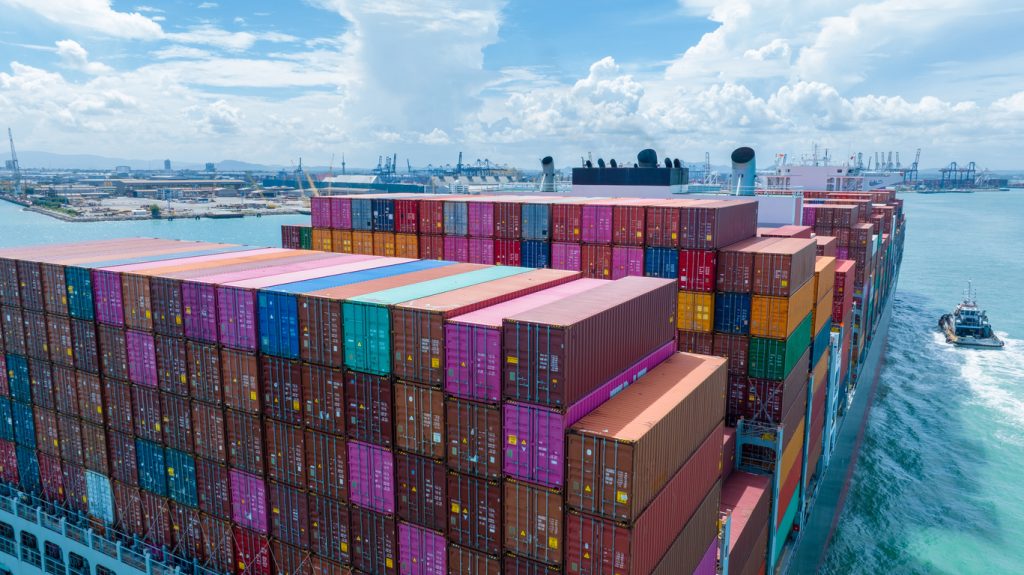
Moving goods from a Nigerian port to a warehouse looks simple on paper. Your container lands, clearing is completed, a truck picks it up, and the cargo arrives at your storage location.
In real life, it can be more stressful.
Between port congestion, truck availability, terminal delays, road traffic, documentation issues, and warehouse receiving schedules, one small mistake can cost an importer extra money. That is why proper Nigeria port to warehouse shipping requires more than just hiring any truck. It needs coordination from the port gate to the final delivery point.
For businesses importing goods through Lagos, Onne, Tin Can, Apapa, or Port Harcourt, Travo.ng helps make the process more organized by supporting cargo movement, delivery planning, transport coordination, and logistics handling across Nigeria.
What Happens After Your Cargo Arrives at the Port
Once cargo arrives at a Nigerian port, the next steps usually involve clearing, inspection, truck booking, loading, and inland delivery.
For many importers, the major pressure starts after clearing. At this stage, the goods need to leave the port quickly to avoid storage charges or delays from terminal congestion.
A typical port-to-warehouse movement may involve:
- Confirming cargo release documents
- Arranging the right truck size
- Coordinating terminal entry
- Loading at the port or bonded terminal
- Moving through Lagos traffic or interstate routes
- Delivering to a warehouse, shop, factory, or distribution center
For example, cargo moving from Apapa Port to a warehouse in Ikeja may take a few hours on a good day. But with traffic around Ijora, Mile 2, Oshodi, or Apapa access roads, delivery can stretch longer if the trip is not properly timed.
For interstate warehouse delivery, such as Lagos port to Abuja, Kano, Aba, or Onitsha, planning becomes even more important.
Common Problems Importers Face With Port-to-Warehouse Delivery
Many delays happen because people treat port delivery like normal parcel delivery. It is not the same.
Cargo shipping from port to warehouse usually involves heavier goods, stricter documentation, terminal timing, and more expensive equipment.
Common issues include:
- Wrong truck arrangement
A 20ft container, 40ft container, loose cargo, pallets, machinery, or fragile goods may all require different transport handling. Using the wrong truck can cause loading delays or cargo damage.
- Poor timing around Lagos traffic
Moving cargo from Apapa or Tin Can during the wrong traffic window can waste hours. In some cases, the driver may spend most of the day trying to exit the port area.
- Warehouse not ready to receive
Some businesses forget to confirm warehouse labour, forklifts, offloading space, or security access before dispatch. This can lead to truck waiting charges.
- Unclear delivery address
A vague address like “warehouse at Trade Fair” or “store around Alaba” is not enough for smooth cargo movement. Drivers need a clear location, contact person, and offloading instructions.
- No tracking or communication
When cargo is valuable, importers need updates. Not knowing where the truck is can create panic, especially for business owners expecting goods for urgent sales.
What It May Cost to Move Cargo From Port to Warehouse
The cost of Nigeria port to warehouse shipping depends on distance, cargo type, truck size, urgency, road condition, and whether the goods are going within Lagos or outside the state.
For Lagos port deliveries, a short movement from Apapa or Tin Can to areas like Ikeja, Oshodi, Alaba, Amuwo Odofin, Lekki, or Oregun may cost less than interstate delivery. Moving cargo to Abuja, Port Harcourt, Kano, Enugu, Benin, or Onitsha will naturally cost more because of fuel, driver allowance, road risk, tolls, and travel time.
A business moving cartons from a cleared container to a warehouse in Lagos may need a smaller truck. But an importer moving full container loads or heavy equipment may require a flatbed, low-bed, or container truck.
Travo.ng helps customers arrange suitable transport based on the cargo details, pickup point, delivery address, and required timeline instead of guessing.
How Travo.ng Supports Port-to-Warehouse Shipping
Travo.ng provides practical logistics support for customers who need cargo moved from Nigerian ports to warehouses, stores, offices, factories, or distribution points.
Depending on the job, support may include:
- Port cargo delivery coordination
- Truck and van arrangement
- Cargo logistics within Lagos
- Interstate goods movement
- Business delivery support
- Warehouse delivery planning
- Relocation and bulky item transport
- Courier and delivery services for smaller goods
For importers, the advantage is convenience. Instead of calling different drivers, negotiating blindly, and managing every movement alone, customers can coordinate their cargo delivery through a service provider that understands local routes and logistics pressure points.
Best Practices Before Booking Port-to-Warehouse Delivery
Before arranging cargo movement, prepare the important details first. It saves time and reduces confusion.
Have these ready:
- Port or terminal location
- Cargo type and quantity
- Container size, if applicable
- Pickup date and release status
- Delivery address
- Warehouse contact person
- Offloading arrangement
- Preferred delivery timeline
- Any special handling needs
For fragile items, electronics, machinery, retail stock, furniture, or temperature-sensitive goods, mention this before transport is arranged. It helps the logistics team recommend better handling.
When Businesses Need This Service Most
Port-to-warehouse shipping is useful for importers, retailers, manufacturers, wholesalers, e-commerce sellers, construction companies, and distributors.
A retailer bringing in fashion goods through Lagos may need delivery to a warehouse in Yaba or Lekki. A manufacturer may need raw materials moved from the port to a factory in Ogun State. A distributor may need goods transferred from Tin Can to warehouses in Lagos and later sent to customers across Nigeria.
These are the kinds of movements that require careful coordination, not guesswork.
Book Nigeria Port to Warehouse Shipping With Travo.ng
If your cargo has arrived or you are planning an import, arranging delivery early can save money, reduce delays, and protect your goods.
Travo.ng helps businesses and individuals manage Nigeria port to warehouse shipping with practical transport coordination, cargo logistics, and delivery support across key Nigerian routes.
You can also use Travo.ng for related services such as courier delivery, interstate cargo movement, vehicle hire, relocation logistics, airport pickup, travel bookings, and hotel reservations when your movement or business trip requires more than one service.
For importers who want less stress after clearing, Travo.ng provides a simpler way to move goods from the port to where they need to be.
