


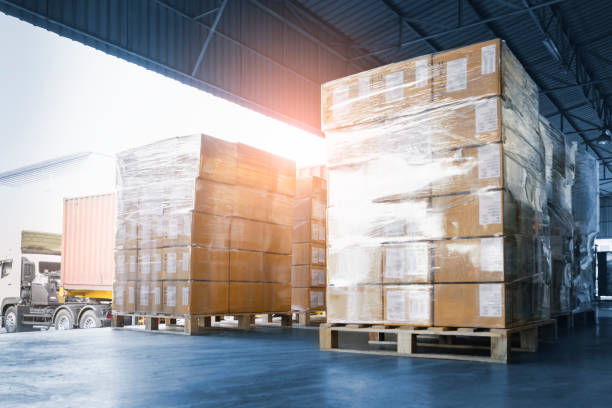
Guangzhou is one of China’s major commercial and manufacturing centres, making it an important starting point for businesses exporting goods internationally. International freight from Guangzhou can involve supplier collection, warehouse handling, cargo consolidation, export preparation and transportation by air or sea.
For wholesalers, retailers and importers buying from several Chinese suppliers, organising these stages properly can make international shipping much easier to manage.
How International Freight from Guangzhou Works
The process usually begins when goods are ready at your supplier’s warehouse or factory. The cargo can be collected and moved to a freight warehouse for receiving, weighing, checking and shipment preparation.
A typical process includes:
- Supplier collection: Goods are picked up from factories, markets or suppliers around Guangzhou.
- Warehouse receiving: Packages are counted, recorded and checked against the shipping information.
- Consolidation: Orders from different suppliers can be combined where appropriate.
- Freight planning: The shipment is assessed for air freight, LCL or FCL sea freight.
- Export preparation: Required documentation and cargo details are prepared.
- International transportation: The shipment is dispatched to its destination.
- Destination handling: Customs clearance and final delivery are arranged according to the destination.
Air Freight or Sea Freight from Guangzhou?
The best option depends on your cargo and delivery requirements.
Air freight is generally suitable for smaller shipments, urgent orders and goods where speed is more important than the lowest freight cost.
LCL sea freight allows smaller commercial shipments to share container space, while FCL is useful for larger volumes that require a dedicated container.
Heavy machinery, furniture, building materials and large wholesale orders often require careful volume and weight planning before choosing a shipping method.
Consolidating Goods from Guangzhou Suppliers
If you buy from multiple suppliers, a Guangzhou warehouse can provide a central point for receiving the different orders. Instead of arranging separate international shipments, compatible cargo can be consolidated and prepared as one shipment.
This can simplify freight management and may improve shipping efficiency, although savings are not guaranteed and depend on the cargo’s dimensions, weight, packaging and destination.
What Affects International Freight Costs?
Freight costs can be affected by several factors, including:
- Cargo weight and volume
- Number of cartons or pallets
- Product type
- Pickup location
- Air or sea freight
- LCL or FCL requirements
- Export handling and documentation
- Destination port or airport
- Customs duties, taxes and local charges
- Final delivery requirements
Providing accurate cargo information before booking helps avoid unexpected adjustments.
How Travo.ng Can Help
Travo.ng can help coordinate international freight from Guangzhou by assisting with supplier cargo collection, warehouse receiving, consolidation planning and suitable air or sea freight arrangements.
Whether you are shipping wholesale stock to Nigeria, Ghana, Kenya, the UK or another destination, providing your supplier locations, cargo type, estimated weight or CBM and final destination allows the shipment to be planned around your business requirements.
A properly coordinated freight process helps keep your goods organised from the Guangzhou supplier through international transit and toward final delivery.
