


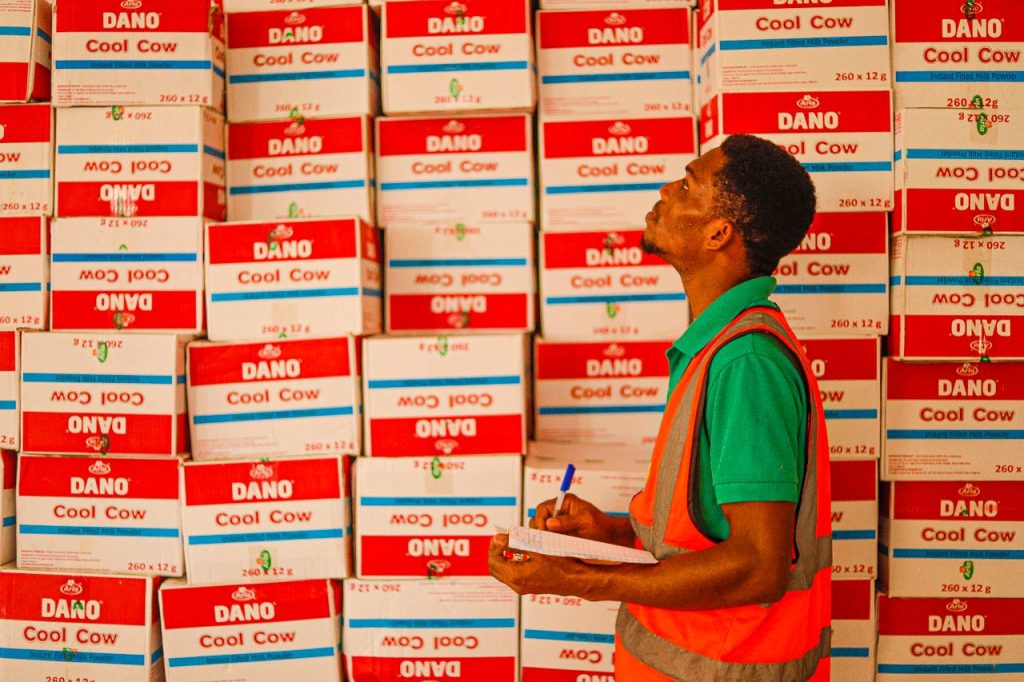
Importing food products into Nigeria can be a profitable business, especially for products that are in steady demand but not produced locally in sufficient quantities. However, food imports require more planning than ordinary cargo because the products must meet Nigeria’s food safety and regulatory requirements before they can be legally sold or distributed.
Whether you are importing packaged foods, beverages, cereals, confectionery, canned products, spices, cooking ingredients or other processed foods, the first step is to confirm that the product can legally enter the Nigerian market and identify the requirements that apply to it.
Food Products Commonly Imported Into Nigeria
Nigerian importers source different food products from countries such as China, Turkey, India, the United Kingdom, the United States, the United Arab Emirates and several European countries.
Common categories include:
- Packaged snacks and confectionery
- Cereals and breakfast products
- Canned and preserved foods
- Spices and cooking ingredients
- Beverages and drink mixes
- Pasta and related products
- Processed fruits and vegetables
- Baking ingredients
- Speciality and ethnic food products
- Packaged food ingredients for restaurants and manufacturers
The right product depends on local demand, competition, shelf life, storage requirements and the total landed cost.
NAFDAC Requirements for Imported Food
NAFDAC is particularly important when importing food products for commercial sale in Nigeria. NAFDAC’s current guidance states that imported food products must be registered before they are imported, advertised, sold or distributed in Nigeria. Requirements can include product documentation, manufacturer information, product samples, labels and other supporting documents depending on the product. (NAFDAC)
Importers should therefore avoid purchasing a large commercial shipment before confirming the registration and clearance requirements for the specific food product.
Check the Supplier Before Paying
A cheap supplier does not necessarily mean a profitable import.
Before making payment, verify the manufacturer’s identity, production capacity, product specifications, packaging, shelf life and export experience. Request samples where possible and confirm that the product you receive will match the product approved for the Nigerian market.
For branded products, make sure you have the appropriate authorization and documentation from the brand owner or manufacturer where required.
Calculate the Full Landed Cost
The purchase price is only one part of the cost of importing food products into Nigeria.
Your calculation should consider:
- Product cost
- Supplier charges
- International freight
- Insurance where applicable
- Port and terminal charges
- Customs duties and other applicable taxes
- Regulatory and inspection costs
- Clearing charges
- Local transportation
- Warehousing
- Possible demurrage or storage charges
For food products, also consider whether temperature control, special packaging or faster transportation is necessary.
Choose Between Air and Sea Freight
Sea freight is usually more suitable for larger commercial shipments where the products have sufficient shelf life and the importer can plan ahead.
Air freight can make more sense for smaller, urgent or higher-value shipments, particularly where delays could affect the commercial value of the goods.
The cheapest freight option is not always the cheapest overall option. A long transit time can become expensive if it causes stock shortages, expiry problems or additional storage costs.
Food Import Clearance in Nigeria
Importers should prepare the required commercial and shipping documentation before the shipment arrives. NAFDAC’s port-clearance guidance lists documents such as the Single Goods Declaration, commercial invoice, Form M, bill of lading or airway bill, packing list and evidence of current NAFDAC registration, alongside other documents that may apply to the product. (NAFDAC)
Food products are exempt from the SONCAP offshore certification scheme, but that does not remove other regulatory requirements applicable to food imports. (Son)
Check Shelf Life Before Shipping
Shelf life is one of the biggest risks when importing food.
Do not focus only on how long the product lasts from its manufacturing date. Calculate how much shelf life will remain after production, shipping, customs clearance, transportation and warehousing.
For products with short shelf lives, delays at the port can turn an apparently profitable shipment into a loss.
Common Mistakes When Importing Food Products
Some of the mistakes that can affect food import businesses include:
- Ordering before checking NAFDAC requirements
- Buying from an unverified supplier
- Ignoring remaining shelf life
- Underestimating customs and port costs
- Choosing freight based only on the cheapest quotation
- Failing to check product labelling requirements
- Importing more stock than the local market can absorb
- Using incorrect product descriptions or documentation
- Waiting until the cargo arrives before arranging clearance
These problems can result in delays, additional costs or difficulty selling the products after arrival.
How Travo.ng Can Help With Food Imports
Travo.ng can help businesses coordinate the logistics involved in bringing food products into Nigeria, from international cargo planning to shipment coordination and local delivery.
For importers sourcing products from overseas suppliers, Travo.ng can help with freight planning, cargo movement, delivery coordination and getting goods from the arrival point to the required business location.
The regulatory side should still be handled according to the requirements of the relevant Nigerian authorities, while logistics planning can help keep the physical movement of the shipment organized.
Plan the Import Before Ordering
Successful food imports usually begin before the supplier receives payment. Confirm the product requirements, estimate the complete landed cost, verify the supplier, check the available shelf life and determine the appropriate freight method.
Once these details are clear, you can decide how much stock to order and build a realistic selling price for the Nigerian market.
