


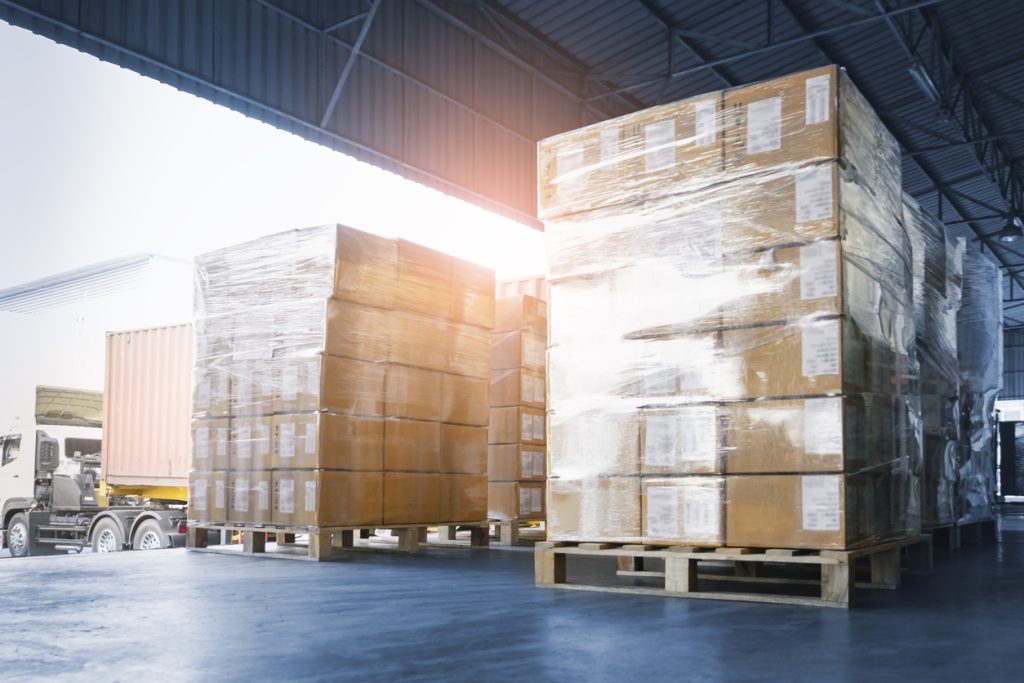
When people search for freight forwarding Nigeria, they are usually trying to understand what actually happens between the moment goods leave a supplier abroad and the moment they arrive at Apapa, Tin Can Island, or Lekki Port — and why some shipments arrive smoothly while others get stuck in delays, extra charges, or customs issues.
In simple terms, freight forwarding is the coordination of everything involved in moving cargo internationally and locally: shipping, documentation, customs processes, and final delivery.
In Nigeria, this role is especially important because import operations are tightly linked with port systems managed by the Nigeria Customs Service and multiple logistics stakeholders.
What freight forwarding actually means in Nigeria
A freight forwarder is not just a shipping agent — they are the coordinator of your entire cargo movement process.
Their job typically includes:
- Booking cargo space with shipping lines or airlines
- Preparing export and import shipping documents
- Coordinating pickup from suppliers abroad
- Handling customs documentation and clearance coordination
- Managing port arrival procedures in Nigeria
- Organizing inland transportation after clearance
Think of them as the “project manager” of your shipment from origin to destination.
Why freight forwarding is critical for imports into Nigeria
Importing into Nigeria is not just about paying for goods and shipping them.
Once cargo arrives, it must pass through:
- Documentation verification
- Risk profiling by the Nigeria Customs Service
- HS code classification and valuation
- Terminal processing at ports like Apapa, Tin Can, or Lekki
- Release and evacuation logistics
Without proper freight forwarding coordination, even small errors can lead to delays, inspections, or demurrage charges.
The stages of freight forwarding into Nigeria
1. Supplier coordination and pickup abroad
The freight forwarder arranges pickup from the supplier’s warehouse and prepares cargo for export.
2. Export documentation
They ensure all export paperwork is correct before shipment leaves origin.
3. International shipping
Cargo is booked via sea or air freight depending on urgency and cost.
4. Import documentation preparation
Before arrival in Nigeria, key documents like invoice, packing list, and bill of lading are prepared.
5. Customs clearance coordination
At arrival, the forwarder works with clearing agents to process declaration, valuation, and approvals.
6. Port handling and release
Cargo is cleared through terminals and released after duty payment.
7. Inland delivery
Final transport from port to warehouse or business location is arranged.
Why freight forwarding delays happen in Nigeria
Even when shipping is successful, delays often occur at Nigerian ports due to:
- Incorrect or incomplete documentation
- HS code classification errors
- Valuation disputes with Customs
- Late arrival of clearing instructions
- Poor coordination between agents
- Congestion at Apapa and Tin Can ports
In many cases, the problem is not shipping — it is coordination after arrival.
Freight forwarder vs clearing agent: the key difference
These roles often overlap in Nigeria but are technically different:
- Freight forwarder: Manages end-to-end shipment movement (local + international)
- Clearing agent (customs broker): Focuses only on customs clearance at Nigerian ports
Many logistics companies combine both services to avoid delays caused by communication gaps.
How freight forwarding affects import cost in Nigeria
A good freight forwarding system helps reduce total import costs by:
- Avoiding demurrage and storage charges
- Preventing documentation errors that trigger revaluation
- Optimizing shipping routes and freight charges
- Reducing delays at port terminals
- Improving truck scheduling after clearance
Poor coordination often leads to unexpected extra costs after cargo arrives.
Why timing is everything in Nigerian freight forwarding
At ports like Apapa and Tin Can Island, timing affects cost directly.
Delays can lead to:
- Container demurrage
- Terminal storage charges
- Trucking rescheduling fees
- Business delivery disruptions
That’s why experienced freight forwarders plan clearance and transport before the vessel even arrives.
How freight forwarding supports import businesses
For importers, especially SMEs and growing businesses, freight forwarding helps:
- Reduce complexity in international shipping
- Improve predictability of delivery timelines
- Avoid customs compliance mistakes
- Ensure smoother port operations
- Coordinate multiple logistics stages in one system
It essentially turns a complicated import process into a structured workflow.
How Travo.ng supports freight forwarding and logistics in Nigeria
For businesses importing or exporting goods, Travo.ng provides structured freight forwarding and logistics coordination that connects every stage of cargo movement.
This includes:
- International shipment coordination from origin to Nigeria
- Import documentation support for smoother clearance
- Customs clearance coordination at Nigerian ports
- Port pickup and container evacuation planning
- Inland delivery and haulage across Nigeria
- End-to-end logistics management for businesses
By connecting shipping, clearance, and delivery into one coordinated system, Travo.ng helps reduce delays and hidden costs that often occur in fragmented freight forwarding processes.
