


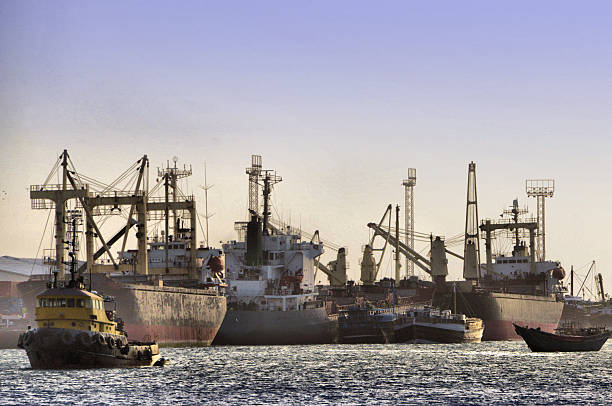
Businesses that regularly move goods need more than a one-off transportation arrangement. They need freight solutions that can handle different shipment sizes, destinations, delivery schedules and operational requirements without creating unnecessary delays or costs.
Business freight solutions help companies organize the movement of commercial goods from suppliers to warehouses, branches, distributors and customers. For Nigerian businesses, this can include domestic transportation, port logistics, imports, exports and cross-border cargo movement.
What Business Freight Solutions Cover
Freight requirements vary from one business to another. A manufacturer may need regular transportation of raw materials, while a retailer may need finished products moved between warehouses and stores.
A business freight solution can include:
- Freight booking
- Cargo pickup
- Road transportation
- Sea and air freight coordination
- Cargo consolidation
- Shipment tracking
- Warehousing
- Port and airport logistics
- Cross-border transportation
- Final delivery
The right setup depends on the type, volume and destination of the cargo.
Choosing the Right Freight Option
Businesses should select transportation based on the shipment rather than simply choosing the cheapest available option.
Sea freight can be suitable for larger international shipments, while air freight may be appropriate for urgent or high-value goods. Road freight is particularly important for domestic distribution and regional movement across West Africa.
Factors such as cargo weight, dimensions, urgency, destination, handling requirements and total cost should all be considered before booking.
Freight Costs for Businesses
Transportation costs can have a significant effect on product margins.
Businesses should consider the complete freight cost rather than focusing only on the quoted transportation charge. Additional expenses may include loading, handling, storage, customs-related charges, insurance, port costs and final delivery.
Calculating the total logistics cost before accepting an order can help businesses price their products more accurately.
Domestic Freight Across Nigeria
Nigerian businesses often need to move goods between major commercial centres.
Cargo may move from Lagos to Abuja, Kano, Port Harcourt, Ibadan, Onitsha or other destinations depending on the company’s distribution network.
For businesses making regular deliveries, having a structured freight process can make it easier to plan vehicles, delivery schedules and customer communication.
Freight for Importers and Exporters
International trade adds additional requirements to business freight.
Imported goods may need to move from a port or airport to a warehouse, while exported products must be transported from the business or supplier to the relevant departure point.
Freight planning should therefore begin before the cargo is ready to move. Businesses need to consider documentation, customs requirements, shipping schedules and final delivery when arranging international freight.
Shipment Tracking and Visibility
Businesses need to know what is happening to their cargo after it leaves the warehouse.
Tracking systems can provide information about shipment status and, where available, vehicle or cargo location.
Better visibility allows businesses to update customers, plan inventory and respond more quickly when a shipment experiences a delay.
For companies managing several shipments at once, centralized tracking can also reduce the need to contact different transport providers individually.
Freight Solutions for SMEs
Small businesses may not have dedicated logistics departments, making freight management more difficult.
An SME may have to source a transporter, negotiate a price, arrange pickup, monitor the shipment and confirm delivery while also managing its normal business activities.
A structured freight service can reduce this administrative burden by bringing key transportation activities together.
Cross-Border Business Freight
Businesses expanding into African markets may need freight solutions that cover more than one country.
Moving goods between Nigeria and other African markets can involve road transportation, border procedures, customs documentation and local delivery.
A reliable cross-border freight plan should account for these stages before the shipment starts so that the business can set realistic delivery expectations.
Freight Technology and Automation
Digital freight tools are increasingly being used to simplify business transportation.
Depending on the platform, businesses can request quotes, book transportation, monitor shipments, manage delivery records and analyse freight spending digitally.
Automation can reduce repetitive administrative tasks, but businesses should still have access to human support when shipments involve unusual cargo, delays or other operational problems.
How Travo.ng Can Help With Business Freight
Travo.ng can support businesses with relevant transportation and logistics coordination, including cargo movement, delivery arrangements and other business logistics requirements.
For companies that need to move goods regularly, coordinating freight with the wider supply chain can help connect pickup, transportation, storage and final delivery.
The goal is to make business freight easier to organize while keeping the transportation plan aligned with the company’s actual delivery requirements.
Building a Reliable Freight Process
Business freight works best when transportation is treated as part of the wider supply chain rather than as an isolated activity.
Businesses should establish clear procedures for booking, documentation, tracking, delivery confirmation and freight-cost monitoring. They should also maintain reliable relationships with suitable logistics providers.
For Nigerian businesses, a well-organized freight process can support domestic distribution, imports, exports and regional expansion while giving management greater visibility over how goods move from suppliers to customers.
