


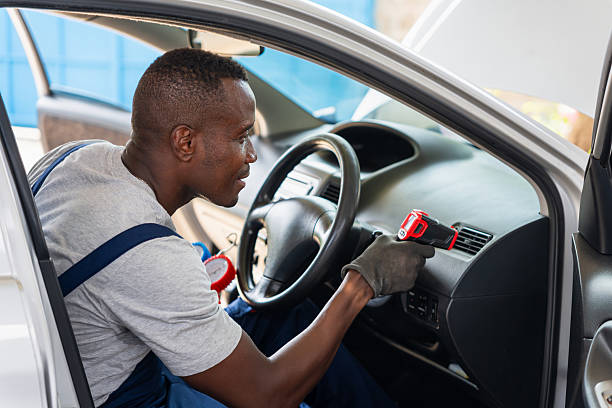
Modern vehicles rely heavily on electronic control systems, sensors and computerised components. As a result, vehicle diagnostics technician jobs are becoming increasingly relevant for automotive professionals who can identify faults accurately and determine the right repair instead of replacing parts through trial and error.
For workshops, dealerships, fleet operators and automotive service businesses, a skilled diagnostics technician can help reduce vehicle downtime and improve the quality of repairs.
What Does a Vehicle Diagnostics Technician Do?
A vehicle diagnostics technician investigates problems affecting a vehicle’s mechanical, electrical and electronic systems.
Typical responsibilities include:
- Connecting and operating diagnostic scanners
- Reading and interpreting diagnostic trouble codes
- Testing sensors and electronic components
- Diagnosing engine and transmission faults
- Troubleshooting electrical and wiring problems
- Checking vehicle control modules
- Using multimeters and other testing equipment
- Carrying out pre-repair and post-repair diagnostic scans
- Documenting identified faults and recommended repairs
- Working alongside mechanics and auto electricians
A good technician does not simply read a fault code and replace the component mentioned. The technician should investigate the underlying cause and confirm the fault before recommending repairs.
Skills Needed for Vehicle Diagnostics Jobs
Employers typically look for technicians with a combination of practical mechanical knowledge and electronic diagnostic skills.
Useful skills include:
- OBD and advanced scan-tool operation
- Automotive electrical diagnostics
- Engine management systems
- Transmission diagnostics
- Sensor and actuator testing
- Wiring diagram interpretation
- CAN bus and vehicle communication systems
- Battery and charging-system testing
- Systematic fault-finding
- Accurate technical reporting
Experience with tools such as Autel, Launch, Bosch, Snap-on or manufacturer-specific diagnostic systems can also strengthen a technician’s profile.
Experience With Different Vehicle Brands Can Help
Automotive workshops may deal with several vehicle brands in the same week. A technician who can work across different makes and models can therefore be particularly useful.
Experience with Toyota, Lexus, Mercedes-Benz, BMW, Honda, Hyundai, Kia, Ford and other commonly seen vehicles can give candidates broader practical exposure.
Technicians familiar with newer electronic systems, hybrid vehicles, connected-car technology and advanced driver-assistance systems may also have opportunities to develop into more specialised diagnostic roles.
What Should You Put on Your CV?
When applying for vehicle diagnostics technician jobs, make your CV practical rather than simply listing your job title.
Include:
- Years of automotive experience
- Diagnostic equipment you can operate
- Vehicle brands you have worked on
- Electrical and mechanical systems you understand
- Relevant technical qualifications
- Previous workshops or automotive employers
- Specific diagnostic and repair experience
- Any specialist training or certifications
- Valid driver’s licence, where applicable
For example, instead of writing only “experienced automotive technician,” explain that you have experience diagnosing engine management faults, electrical problems and transmission issues using professional scan tools.
Where Can Vehicle Diagnostics Technicians Work?
Potential employers include:
- Automotive workshops
- Car dealerships
- Fleet management companies
- Logistics companies
- Transport operators
- Vehicle rental businesses
- Automotive service centres
- Vehicle maintenance companies
Fleet operators can particularly benefit from diagnostic technicians because identifying problems quickly can reduce the amount of time vehicles remain off the road.
Applying for a Vehicle Diagnostics Technician Position
If you are interested in vehicle diagnostics technician jobs, prepare an up-to-date CV that clearly demonstrates your practical automotive experience, diagnostic abilities and technical qualifications.
Applications and CVs should be sent to jobs@wigmoretrading.com.
When sending your application, use a clear email subject such as Vehicle Diagnostics Technician Application and ensure your contact information is included in your CV.
Why Choose Travo.ng for Job and Business Support?
Travo.ng provides practical travel, transport and logistics solutions for individuals and businesses operating across Nigeria. Its understanding of local movement and business logistics makes it useful for organisations and professionals who regularly deal with transportation and mobility requirements.
For job seekers, however, the most important step is still presenting your technical experience clearly and applying with a professional, relevant CV.
Preparing for the Interview
A vehicle diagnostics interview may involve practical questions rather than simply asking about your qualifications.
Be prepared to explain how you would approach situations such as:
- A vehicle showing an engine warning light.
- A vehicle that refuses to start despite having a good battery.
- A transmission displaying a fault code.
- An intermittent electrical problem.
- A sensor producing abnormal readings.
- A vehicle returning with the same fault after a repair.
Employers want to see that you can diagnose systematically, use the right testing equipment and avoid unnecessary parts replacement.
For anyone pursuing vehicle diagnostics technician jobs, strong practical experience, knowledge of modern vehicle electronics and the ability to explain diagnostic findings clearly can significantly improve your chances of securing a position.
