


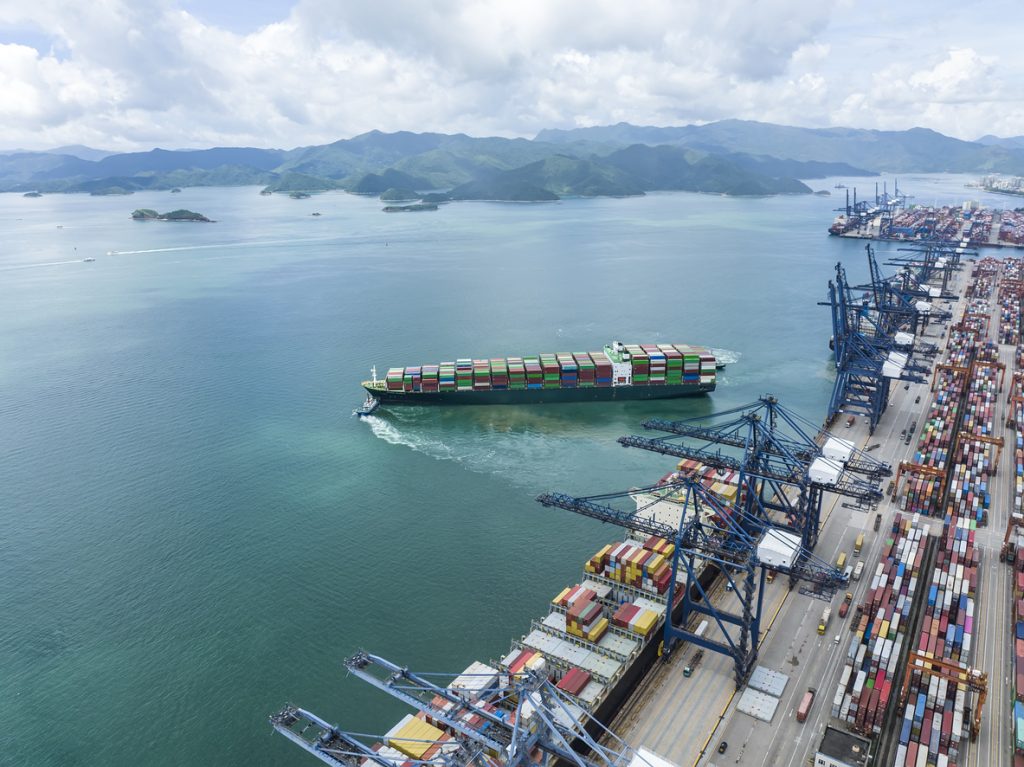
Long dwell time in Nigeria refers to the extended period cargo stays inside a port terminal after arrival before it is cleared and moved out to warehouses or final destinations. It is a major issue in Nigerian ports, especially in Lagos (Apapa, Tin Can Island, and Lekki Port).
In simple terms, it means your container is staying too long at the port after it has arrived.
What Dwell Time Means in Port Operations
Dwell time is the number of days a container remains at the port from:
- Vessel discharge → until evacuation from the terminal
A long dwell time means this period is unnecessarily extended.
Causes of Long Dwell Time in Nigeria
1. Customs Clearance Delays
Common issues include:
- Document verification delays
- Physical examination of cargo
- HS code disputes
- Regulatory holds (NAFDAC, SON, etc.)
2. Port Congestion
High cargo volume leads to:
- Overcrowded container yards
- Slow movement of trucks
- Limited storage space
3. Trucking and Haulage Challenges
Delays caused by:
- Lack of available trucks
- Poor scheduling systems
- Traffic congestion around ports
4. Incomplete Documentation
Missing or incorrect documents such as:
- Bill of lading
- Form M
- Import permits
- Invoices or packing lists
5. Inefficient Port Operations
Includes:
- Slow container handling
- Equipment breakdowns
- Manual processing delays
6. Limited Warehousing and Evacuation Options
Lack of:
- Nearby bonded warehouses
- Inland dry ports
- Fast evacuation routes
Effects of Long Dwell Time
1. High Demurrage Charges
Importers pay extra fees for containers staying too long.
2. Increased Cargo Risk
Long storage increases exposure to:
- Moisture damage
- Odor contamination
- Heat deterioration
- Theft or pilferage
3. Supply Chain Disruption
Delays affect:
- Manufacturing inputs
- Retail stock availability
- Distribution schedules
4. Increased Business Costs
Includes:
- Storage fees
- Truck waiting charges
- Operational inefficiencies
5. Reduced Port Efficiency
Long dwell times reduce overall port throughput capacity.
How Long Dwell Time Is Measured
It is typically measured in:
- Days per container
- Average terminal stay duration
- Performance benchmark against global standards
In efficient ports, dwell time is usually very low, but in congested systems like Nigeria’s, it can be significantly higher.
How to Reduce Long Dwell Time in Nigeria
1. Pre-Clear Cargo Before Arrival
Start documentation early to speed up release.
2. Use Experienced Freight Forwarders
They help avoid errors that cause delays.
3. Improve Documentation Accuracy
Ensure all import papers are correct and complete.
4. Schedule Trucks Early
Use electronic call-up systems to reduce pickup delays.
5. Use Off-Dock or Bonded Warehouses
Move cargo out faster to reduce congestion.
6. Diversify Port Usage
Use alternative ports like:
- Lekki Deep Sea Port
- Onne Port
Economic Impact of Long Dwell Time
- Higher import costs
- Reduced trade competitiveness
- Pressure on port infrastructure
- Inefficiency in supply chain operations
- Increased inflation pressure on goods
Role of Insurance in Dwell Time Situations
Cargo insurance may cover:
- Physical damage during extended storage
- Contamination due to prolonged exposure
- Transit-related risks
However, demurrage and delay costs are usually not covered unless specifically included in the policy.
How Travo.ng Supports Businesses After Clearance
While long dwell time happens inside ports, faster inland logistics helps reduce total supply chain delays after release.
This is where Travo.ng supports businesses across Nigeria.
Travo.ng provides:
- Cargo pickup from Apapa, Tin Can, and Lekki ports
- Nationwide transportation services
- Interstate logistics coordination
- Commercial cargo delivery
- Distribution support for businesses
- Last-mile delivery solutions
Efficient transport planning helps reduce the overall impact of port delays.
Final Insight
Long dwell time in Nigeria is mainly caused by customs delays, congestion, and poor logistics coordination. It increases costs, slows trade, and exposes cargo to risk. Reducing it requires better documentation, improved port systems, and faster evacuation of goods.
