


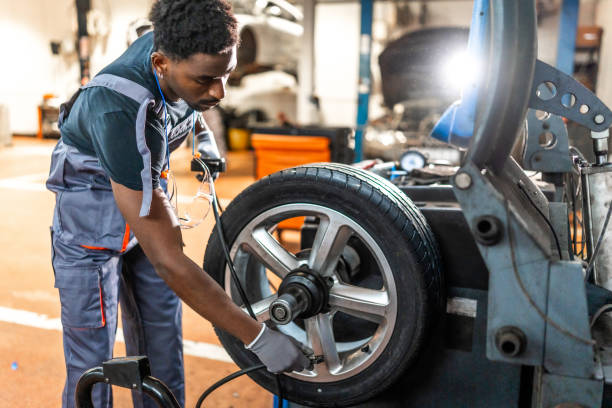
Mechanical technicians are needed across Nigeria’s manufacturing, construction, power, logistics, industrial and engineering sectors. For anyone looking to build a practical technical career, mechanical technician training in Nigeria can provide the skills needed to install, maintain, troubleshoot and repair machinery and mechanical systems.
The strongest programmes combine classroom learning with hands-on workshop practice. For example, the Institute for Industrial Technology’s plant maintenance programme uses roughly 70% practical and 30% theoretical training and covers mechanical fittings, drives, pumps, compressors, hydraulics, engines and electrical motor controls.
What Does Mechanical Technician Training Cover?
A good programme can teach you how to work with:
- Mechanical machinery
- Pumps and compressors
- Motors and power transmission
- Bearings and shafts
- Hydraulic systems
- Pneumatic systems
- Industrial engines
- Mechanical fittings
- Welding and fabrication
- Electrical motor controls
- Sensors and basic automation
- Preventive and corrective maintenance
These skills are useful because many industrial machines combine mechanical and electrical components. Nigeria’s technical skills programmes have specifically identified mechanical maintenance, hydraulics, pneumatics, machining and pipe fitting as areas where skilled workers are needed.
Practical Experience Is What Makes a Technician Employable
Mechanical maintenance is a hands-on profession. Training should therefore give students opportunities to work with actual equipment rather than relying entirely on classroom theory.
A trainee may progress from basic fitting and tool handling to:
- Inspecting mechanical equipment.
- Measuring components for wear.
- Installing bearings and mechanical components.
- Aligning shafts and couplings.
- Servicing pumps and compressors.
- Troubleshooting hydraulic systems.
- Diagnosing mechanical breakdowns.
- Carrying out preventive maintenance.
- Testing equipment after repairs.
This practical approach helps trainees understand not only how to repair equipment but also how to identify the underlying cause of a failure.
Mechanical and Electrical Skills Work Together
Modern industrial equipment is often electromechanical. A mechanical technician who understands basic electrical systems can therefore be more versatile.
The Institute for Industrial Technology’s safety-focused industrial maintenance programme, for example, combines mechanical and electrical systems with hydraulics, pneumatics, sensors and PLCs. The programme also includes structured industry placement.
Learning basic automation and controls can also help technicians move into plant maintenance and equipment-service positions.
Where Can a Mechanical Technician Work?
After training and gaining sufficient practical experience, technicians can pursue opportunities in:
- Manufacturing companies
- FMCG factories
- Construction companies
- Power plants
- Logistics businesses
- Industrial maintenance companies
- Oil and gas operations
- Steel and metal industries
- Mining operations
- Equipment service companies
- Agricultural businesses
Possible job titles include Mechanical Technician, Maintenance Technician, Plant Maintenance Technician, Equipment Maintenance Technician and Mechanical Fitter.
Training Options Available in Nigeria
There are different routes depending on your education and career goals.
For people interested in industrial maintenance, IIT Lagos offers programmes covering mechanical systems, plant maintenance, hydraulics, pneumatics, pumps, compressors, engines and mechanical drives.
The Federal Ministry of Education’s TVET Initiative also provides technical and vocational training through accredited centres across Nigeria, with selected programmes offering tuition support, stipends and practical training.
There are also longer technical programmes. For example, IIT’s Electromechanics Technology programme is designed for secondary-school leavers and combines mechanical, electrical, electronics, programming and industrial automation.
What Should You Look for Before Choosing Training?
Don’t choose a programme based only on the certificate.
Check whether it provides:
- Hands-on workshop training
- Real machinery and equipment
- Mechanical fitting practice
- Hydraulic and pneumatic training
- Preventive maintenance
- Fault diagnosis
- Industrial attachment
- Experienced instructors
- Safety training
- Practical assessments
A programme with genuine industrial exposure can make the transition into employment much easier.
What Qualifications Can Help?
The entry requirements depend on the programme.
Some technical programmes accept secondary-school qualifications, while others are designed for OND, HND, degree holders, working technicians or engineering graduates.
For example, IIT’s Safety-Focused Industrial Maintenance Programme currently requires at least an OND or equivalent technical background.
There are also vocational routes for people who already work as artisans or technicians and want to upgrade their skills.
What Should You Put on Your CV?
If you’re applying for mechanical technician training or trainee opportunities, your CV should clearly show your practical abilities.
Include:
- Educational qualifications
- Technical training
- Workshop experience
- Apprenticeship experience
- Mechanical maintenance skills
- Machinery you’ve worked on
- Hydraulic and pneumatic experience
- Welding or fabrication skills
- Diagnostic and measuring tools
- Preventive maintenance experience
- Relevant certifications
If you’ve worked on pumps, compressors, generators, conveyors, production machines or heavy equipment, mention the specific equipment.
Applications and CV Submission
Candidates interested in mechanical technician training and related technical opportunities should prepare an updated CV highlighting their education, practical experience, mechanical skills and willingness to learn.
Applications and CVs should be sent to jobs@wigmoretrading.com.
Use Mechanical Technician Training Application as the email subject and include your phone number, qualifications and relevant technical experience in your CV.
Preparing for the Interview
You may be asked practical questions such as:
- How would you diagnose a machine that suddenly stops working?
- What can cause excessive vibration in rotating equipment?
- How would you inspect a bearing?
- What is preventive maintenance?
- How would you troubleshoot a hydraulic problem?
- What safety steps should be taken before repairing machinery?
- How would you determine whether a component should be repaired or replaced?
If you’re applying for training rather than a senior position, you don’t need to pretend you already know everything. Demonstrating practical interest, discipline, safety awareness and willingness to learn can make a strong impression.
Building a Career as a Mechanical Technician
Mechanical technician training in Nigeria can lead to careers in industrial maintenance, plant operations, equipment servicing, manufacturing and engineering services.
With experience, a technician can progress into roles such as senior mechanical technician, maintenance supervisor, plant maintenance specialist or equipment reliability technician. Adding electrical, automation, hydraulic and diagnostic skills can make you even more versatile.
The key is to choose training that gives you real practical experience with machinery, because employers ultimately need technicians who can safely diagnose problems and get equipment back into operation.
