


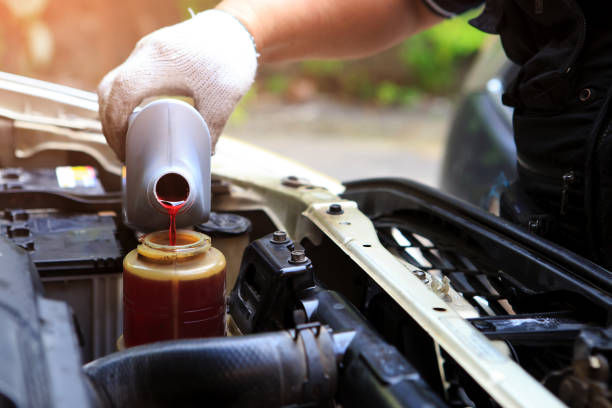
A maintenance fitter keeps industrial machinery and mechanical equipment operating safely and efficiently. The work combines mechanical fitting, equipment inspection, preventive maintenance and breakdown repairs, making maintenance fitter jobs in Nigeria relevant across manufacturing, industrial production, construction, power and other technical sectors.
Current Nigerian listings show demand for mechanical maintenance technicians and fitters who can carry out preventive and corrective maintenance, troubleshoot machinery and maintain equipment records.
What Does a Maintenance Fitter Do?
A maintenance fitter may be responsible for installing, servicing, repairing and maintaining mechanical equipment.
Typical duties include:
- Inspecting machinery for faults and wear
- Carrying out preventive maintenance
- Responding to equipment breakdowns
- Replacing bearings, seals and other components
- Aligning shafts, motors and rotating equipment
- Repairing pumps, gearboxes and conveyors
- Working with hydraulic and pneumatic systems
- Dismantling and reassembling machinery
- Supporting equipment installation and changeovers
- Recording maintenance work and equipment conditions
A recent Nigerian maintenance fitter/welder listing included plant machinery maintenance, breakdown repairs, fabrication, welding and mechanical fault diagnosis.
Where Can Maintenance Fitters Work in Nigeria?
Maintenance fitters are needed wherever businesses depend on machinery to keep operations running.
Potential workplaces include:
- Manufacturing plants
- FMCG companies
- Food-processing factories
- Steel and metal plants
- Construction companies
- Power facilities
- Oil and gas operations
- Mining businesses
- Logistics and industrial companies
- Equipment maintenance companies
Recent listings include mechanical fitter positions in Apapa, Lagos and Sagamu, Ogun State, with responsibilities involving industrial equipment repairs and mechanical maintenance.
What Skills Do Employers Look For?
A strong maintenance fitter should be comfortable working with different mechanical systems and diagnosing faults.
Important skills include:
- Mechanical fitting
- Preventive maintenance
- Corrective maintenance
- Mechanical troubleshooting
- Bearing replacement
- Pump maintenance
- Gearbox maintenance
- Shaft and coupling alignment
- Hydraulic and pneumatic systems
- Welding and fabrication
- Reading technical drawings
- Safe use of workshop tools
Some current manufacturing roles also require technicians to read mechanical drawings and use measuring instruments and maintenance tools.
Preventive and Corrective Maintenance Go Together
A maintenance fitter may spend part of the week carrying out scheduled maintenance and another part responding to unexpected breakdowns.
Preventive work could involve inspecting bearings, lubricating machinery, checking belts and monitoring equipment for unusual vibration or noise.
When a breakdown occurs, the fitter must diagnose the fault, replace or repair the defective component and get the machine safely back into operation.
The goal is not simply to fix the immediate problem but to reduce the chance of repeated failure.
Industrial Experience Can Make Your CV Stronger
Experience with production machinery can be particularly valuable. Current Nigerian mechanical technician vacancies include responsibilities such as operating and maintaining production machinery, carrying out preventive and corrective maintenance and resolving mechanical faults to reduce downtime.
If you have worked with conveyors, pumps, compressors, gearboxes, production lines or other industrial machinery, list those systems specifically on your CV.
What Qualifications Do You Need?
Requirements vary depending on the employer and level of the position.
Some employers accept technical qualifications such as Trade Test, NABTEB or City & Guilds, while others require OND, HND or a degree in Mechanical Engineering or a related discipline.
For example, a current mechanical fitter vacancy in Apapa lists relevant technical qualifications and experience in mechanical maintenance, welding, fabrication or industrial equipment repairs.
Hands-on experience can be just as important as academic qualifications for many technician-level positions.
What Should You Put on Your CV?
When applying for maintenance fitter jobs in Nigeria, make your CV practical and specific.
Include:
- Years of maintenance experience
- Types of machinery you have worked on
- Mechanical fitting experience
- Preventive and corrective maintenance
- Breakdown-repair experience
- Pumps and gearbox experience
- Hydraulic and pneumatic skills
- Welding and fabrication experience
- Diagnostic and measuring tools you can use
- Technical qualifications
- Previous industrial employers
Avoid simply writing “maintenance technician” without explaining the equipment you can actually work on.
Applications and CV Submission
Candidates interested in maintenance fitter opportunities should prepare an updated CV highlighting their mechanical fitting, maintenance, troubleshooting and machinery-repair experience.
Applications and CVs should be sent to jobs@wigmoretrading.com.
Use Maintenance Fitter Application as the email subject and include your current phone number, qualifications and relevant work experience in your CV.
Preparing for the Interview
A maintenance fitter interview may involve practical machinery scenarios.
You could be asked how you would:
- Diagnose a machine that suddenly stops.
- Replace a damaged bearing.
- Align a motor and pump.
- Troubleshoot a gearbox problem.
- Identify the cause of excessive vibration.
- Carry out a preventive maintenance inspection.
- Safely isolate machinery before beginning repairs.
Explain your process clearly. Employers want technicians who understand both the repair itself and the reason the failure occurred.
Building a Career as a Maintenance Fitter
Maintenance fitters can progress into senior mechanical technician, maintenance supervisor, plant maintenance and equipment reliability roles.
Developing additional skills in vibration monitoring, hydraulics, pneumatics, welding, electrical troubleshooting and industrial automation can expand the types of maintenance positions you qualify for.
For anyone searching for maintenance fitter jobs in Nigeria, practical machinery experience, strong fault-finding ability and knowledge of preventive and corrective maintenance can make your CV more competitive.
