


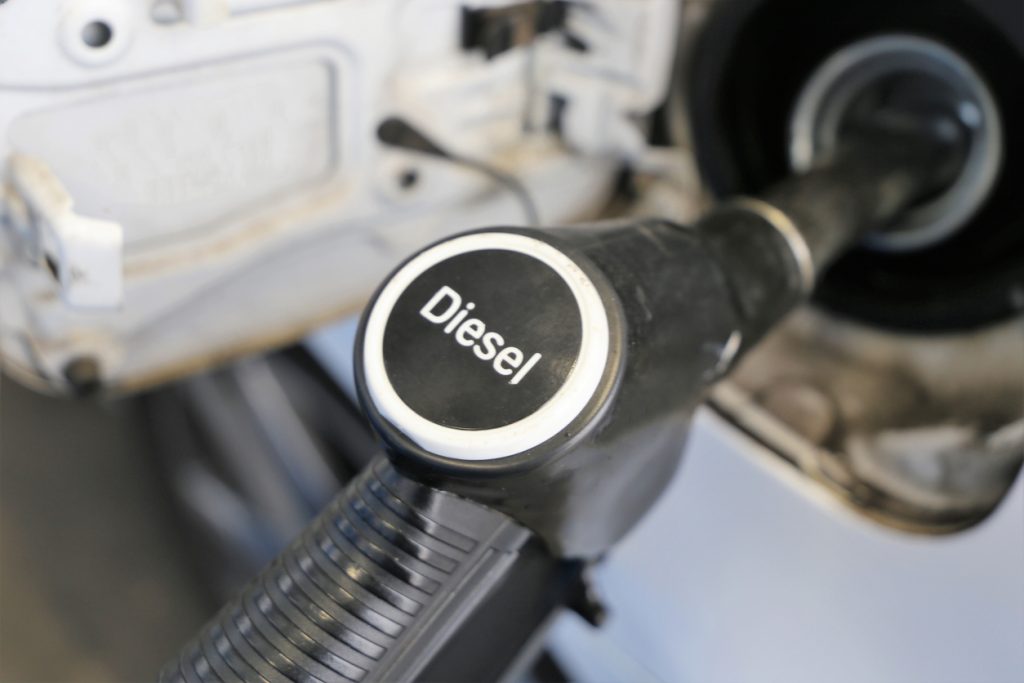
Diesel engines power many of the trucks, buses, generators, construction machines and heavy-duty vehicles used across Nigeria. For someone interested in a practical technical career, diesel mechanic training in Lagos can provide the foundation needed to work on these machines and eventually specialise in diagnostics, fleet maintenance or heavy-duty equipment repair.
Good diesel mechanic training should combine classroom knowledge with hands-on workshop experience. Diesel technicians need to understand engine operation, fuel systems, cooling systems, lubrication, electrical components and modern electronic diagnostics.
What Do You Learn During Diesel Mechanic Training?
A practical training programme can cover:
- Diesel engine operation
- Engine servicing and maintenance
- Fuel injection systems
- Turbochargers
- Cooling systems
- Lubrication systems
- Starting and charging systems
- Transmission systems
- Brake systems
- Hydraulic systems
- Electronic engine diagnostics
- Preventive and corrective maintenance
Diesel mechanic training generally focuses on diagnosing, maintaining and repairing diesel engines and the systems connected to them.
Why Diesel Mechanics Are Needed in Lagos
Lagos has a large commercial transport and logistics sector. Trucks and buses move goods and passengers across the state and along interstate routes, while companies also operate generators, construction equipment and other diesel-powered machinery.
When one of these machines breaks down, downtime can quickly become expensive. A skilled diesel mechanic who can diagnose the problem and get equipment back into service is therefore valuable to fleet operators and businesses.
Practical Training Is More Important Than Theory Alone
Someone learning diesel mechanics needs to spend time around actual engines and mechanical systems.
During practical training, a beginner may start with basic servicing before progressing to more complicated work such as:
- Inspecting an engine.
- Changing oil and filters.
- Checking fuel delivery.
- Testing batteries and charging systems.
- Diagnosing starting problems.
- Inspecting cooling systems.
- Removing and installing components.
- Diagnosing engine performance problems.
The aim is to develop the ability to identify the cause of a problem rather than simply replacing parts.
Fuel Injection and Diesel Diagnostics
Fuel injection is one of the most important areas for a modern diesel technician.
Training can introduce technicians to injector faults, fuel-pressure problems, fuel pumps and electronic diesel injection systems.
Diagnostic skills are increasingly important because many modern diesel engines use electronic control systems. A technician may need to use a diagnostic scanner alongside traditional mechanical testing to determine why an engine is losing power, producing excessive smoke or refusing to start.
Where Can a Diesel Mechanic Work?
After gaining sufficient practical experience, a trained diesel mechanic can work in:
- Truck workshops
- Bus and transport companies
- Logistics companies
- Fleet maintenance departments
- Construction companies
- Heavy-equipment businesses
- Generator maintenance companies
- Industrial plants
- Agricultural equipment businesses
- Automotive service centres
Experience with both trucks and heavy equipment can make a technician useful across several industries.
What Should You Look for in Diesel Mechanic Training?
Before choosing a training opportunity in Lagos, check whether it provides genuine practical exposure.
Look for training that includes:
- Hands-on engine work
- Fault diagnosis
- Fuel-system training
- Electrical diagnostics
- Preventive maintenance
- Engine dismantling and assembly
- Transmission and drivetrain basics
- Workshop safety
- Use of professional tools
- Experience with modern diagnostic equipment
A programme that gives you access to real diesel engines and experienced technicians is generally more useful than one that focuses entirely on classroom theory.
What Qualifications Can Help?
The requirements depend on the career path you want to follow. Technical and vocational training, apprenticeship experience, Trade Test qualifications and relevant mechanical or automotive qualifications can all help build a career in diesel maintenance.
For someone starting from scratch, an apprenticeship or trainee position can provide an opportunity to develop practical skills under experienced mechanics.
What Should You Put on Your CV?
If you’re applying for diesel mechanic training or trainee opportunities, focus on your practical potential.
Your CV can include:
- Educational qualifications
- Mechanical training
- Previous workshop experience
- Apprenticeship experience
- Diesel engine knowledge
- Vehicle maintenance skills
- Diagnostic experience
- Tools you can operate
- Automotive electrical knowledge
- Relevant technical certifications
- Areas you want to specialise in
If you’ve worked on trucks, buses, generators or heavy machinery before, mention the specific equipment.
Applications and CV Submission
Candidates interested in diesel mechanic training and related technical opportunities should prepare an updated CV showing their education, mechanical experience, practical skills and willingness to learn.
Applications and CVs should be sent to jobs@wigmoretrading.com.
Use Diesel Mechanic Training Application as the email subject and include your phone number, qualifications and relevant workshop experience in your CV.
Preparing for the Interview
You may be asked basic practical questions such as:
- How does a diesel engine differ from a petrol engine?
- What could cause a diesel engine not to start?
- What can cause excessive smoke?
- What does a fuel injector do?
- How would you diagnose loss of engine power?
- What checks would you perform before replacing a component?
- Why is preventive maintenance important?
You don’t need to pretend you know everything. If you’re applying for training, showing that you’re willing to learn, follow instructions and work safely can be just as important as your existing technical knowledge.
Building a Career After Diesel Mechanic Training
Diesel mechanic training in Lagos can be the starting point for a career in truck maintenance, fleet servicing, heavy-duty equipment repair, generator maintenance or diesel diagnostics.
With experience, a technician can progress from trainee to diesel mechanic, diagnostic technician, fleet technician, senior technician or maintenance supervisor. Adding skills in electronic diagnostics, fuel injection, hydraulics and heavy-duty equipment can create even more opportunities.
For anyone looking to enter the field, choose training that gives you real workshop experience, proper diagnostic skills and exposure to the types of diesel equipment used in Nigerian businesses.
