


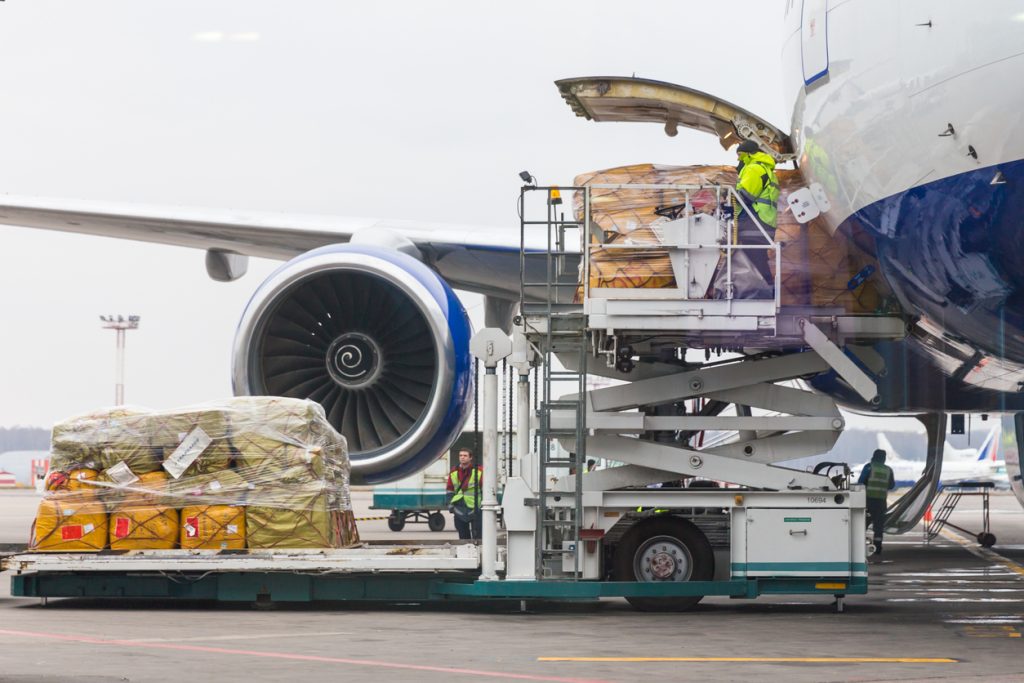
An air cargo customs audit Nigeria process can become expensive very quickly when shipment documents, declared values, permits, or cargo descriptions do not match what customs officers find during inspection. For businesses importing electronics, spare parts, pharmaceuticals, equipment, fashion items, or commercial samples through Nigerian airports, proper documentation is just as important as getting the cargo on the aircraft.
Most problems do not start at the airport. They usually begin earlier, when invoices are incomplete, product descriptions are vague, or the importer does not confirm what clearance documents will be required before the shipment leaves its origin country.
Understanding what customs officers may check helps businesses avoid unnecessary storage charges, clearance delays, and disrupted deliveries.
What Usually Triggers an Air Cargo Customs Audit in Nigeria
Cargo arriving through Murtala Muhammed International Airport in Lagos or Nnamdi Azikiwe International Airport in Abuja may be reviewed when customs officials need to confirm whether the information submitted accurately reflects the goods being imported.
Attention may be drawn to a shipment when there are inconsistencies involving:
- Commercial invoices
- Declared cargo values
- Product quantities
- HS codes and classifications
- Country of origin
- Import permits
- Packing lists
- Air waybill information
For example, declaring a shipment simply as “machine parts” when it contains several different components can create questions during assessment. Detailed descriptions make it easier for clearance teams and customs officers to understand exactly what is entering the country.
Documents Should Be Checked Before the Cargo Leaves
Importers sometimes wait until cargo reaches Lagos before checking whether their paperwork is complete. By then, correcting an invoice or obtaining an additional document from an overseas supplier can take days.
Before departure, businesses should compare the commercial invoice, packing list, and air waybill line by line.
The number of cartons should match. Product descriptions should be consistent. Company names and consignee information should also be correct.
For regulated goods, confirm any necessary approvals before shipping. Products such as food items, medical supplies, chemicals, and some electronics can require additional regulatory documentation.
A small documentation mistake overseas can become an expensive airport storage problem in Nigeria.
Delays Can Increase the Real Cost of Air Freight
Businesses choose air cargo because speed matters. A shipment from Europe, Dubai, China, or another international trading hub can reach Nigeria much faster than sea freight.
But arrival does not mean immediate delivery.
If customs requests clarification or additional verification, cargo can remain at the airport while the importer resolves the issue. Handling, storage, documentation, and onward transport costs may continue increasing during that period.
This is why companies should budget beyond the basic airline freight charge. Clearance costs, possible inspections, airport handling, and final delivery from the cargo terminal should all be considered when calculating the true landed cost.
What to Do When Customs Requests More Information
When an air cargo customs audit Nigeria review happens, rushing to provide inconsistent answers can make the situation worse.
Start by gathering the original commercial invoice, payment evidence, purchase order, packing list, air waybill, and any applicable permits. The information supplied should explain the shipment clearly and consistently.
Businesses that import regularly should also keep organised records of previous transactions. Historical invoices and shipping documents can make it easier to explain recurring shipments or demonstrate normal purchasing patterns.
If customs identifies an incorrect classification or valuation issue, work with the appropriate licensed clearance professionals to address it properly rather than attempting shortcuts that may create further problems.
Coordinate Clearance and Final Delivery Before Arrival
Customs clearance is only one part of the cargo journey.
Once goods are released, they may still need to move from the airport to warehouses in Ikeja, Isolo, Apapa, Lekki, Abuja, or another Nigerian city. Businesses handling urgent stock should arrange this movement before clearance is completed.
Travo.ng can support this wider process through cargo logistics, transport coordination, courier delivery, airport pickup arrangements, and business logistics support.
For example, a company importing equipment through Lagos may need the cargo collected after release and transported directly to a warehouse or customer location. Coordinating these steps early reduces unnecessary waiting between customs release and final delivery.
Good Records Make Future Imports Easier
Companies that import regularly should treat customs documentation as an ongoing business system rather than something prepared only when cargo arrives.
Keep organised copies of invoices, airway bills, permits, payment records, product classifications, supplier details, and previous clearance documents.
An air cargo customs audit becomes much easier to manage when every shipment has a clear paper trail. Combined with proper cargo planning and reliable local transport coordination, good documentation helps businesses move international shipments into Nigeria with fewer avoidable disruptions.
