


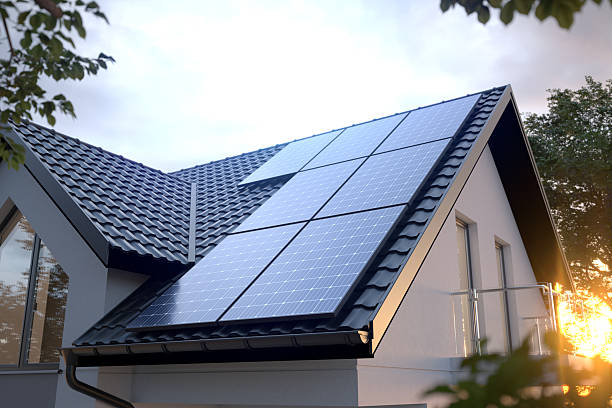
Unstable electricity remains a daily operational problem for many homes and businesses in Lagos. Power can disappear in the middle of a workday, during food preparation, while customers are being attended to, or just when a household needs to pump water. For people searching for solar power for unstable electricity Lagos, the real concern is usually not whether solar works. It is knowing what type of system can realistically handle their daily electricity needs.
Solar power offers a quieter and more predictable alternative to depending entirely on grid electricity and generators. However, choosing a system without first understanding your power consumption can lead to expensive mistakes.
Start With the Appliances You Actually Need to Power
The first step is not buying solar panels. It is deciding what must remain powered whenever electricity goes off.
A typical Lagos household may prioritise:
- Lights and fans
- Television and decoder
- Wi-Fi router
- Refrigerator
- Laptops and phones
- Water pumping at scheduled times
A small office around Ikeja, Lekki, Yaba or Victoria Island may also need laptops, printers, internet equipment, security systems and basic cooling.
These requirements determine the inverter capacity, number of batteries and solar panels required. A system designed mainly for lights, fans and electronics will cost considerably less than one expected to operate several air conditioners, freezers or heavy equipment.
Why Generator Replacement Is Not Always an Overnight Decision
Many Lagos residents want solar because generator costs have become difficult to predict. Apart from fuel, there is servicing, engine oil, repairs, noise and the inconvenience of buying fuel repeatedly.
Still, completely replacing a generator may require a larger solar installation.
For some users, a practical transition is to use solar for normal daily loads while keeping the generator for unusually heavy appliances or extended periods of high consumption. Over time, the solar system can be expanded as additional panels or battery capacity become necessary.
This approach is particularly useful for businesses that cannot afford unexpected downtime.
Battery Capacity Makes a Major Difference
When comparing solar power for unstable electricity in Lagos, customers sometimes focus mainly on the panels. Battery storage is just as important.
Solar panels generate electricity during daylight, while the battery stores energy for periods when sunlight is limited or when electricity from the grid is unavailable.
For example, someone who mainly needs evening lighting, television, fans and internet access may require a different battery setup from a business that operates refrigerators or equipment continuously.
Lithium batteries generally offer longer cycle life and deeper usable capacity than many traditional battery options, although the initial cost can be higher.
A proper assessment prevents paying for more capacity than necessary or installing a system that regularly runs out of stored power.
Lagos Weather Does Not Mean Solar Stops Working
Lagos has rainy and cloudy periods, particularly during the wet season. That does not automatically make solar unreliable.
Panels can still generate electricity under cloudy conditions, although output may reduce. The important issue is designing the system with realistic assumptions instead of calculating capacity only for perfect sunny days.
Battery storage, panel sizing and household consumption all need to work together.
It is also important to position panels where surrounding buildings, trees or water tanks will not create excessive shading during important daylight hours.
Businesses Need to Calculate the Cost of Power Interruptions
For businesses, unreliable electricity is more than an inconvenience.
A salon may lose customers when equipment cannot operate. A small supermarket risks refrigerated goods. Remote workers can lose meetings when internet equipment shuts down. Restaurants and pharmacies may have even stricter power requirements.
Before choosing a solar system, calculate what one hour of electricity interruption actually costs your operation.
That calculation often makes it easier to determine whether a larger battery system or more comprehensive backup arrangement is financially justified.
Getting Solar Power Support Through Travo.ng
Travo.ng helps customers arrange practical services needed for everyday operations in Nigeria, including energy-related support and logistics coordination.
If you are looking for solar power for unstable electricity Lagos, the process should begin with your location, appliances, expected daily usage and preferred backup duration rather than simply choosing an inverter based on price.
Customers can provide details about their home, office or commercial operation so the appropriate requirements can be assessed before equipment arrangements are made.
For businesses, Travo.ng can also support related operational needs such as equipment transportation, delivery coordination and other logistics services where required.
Reliable electricity planning is ultimately about reducing interruptions. A properly sized solar setup can give Lagos households and businesses more control over when they have power, how much they spend on alternative electricity and how often they need to depend on a generator.
