


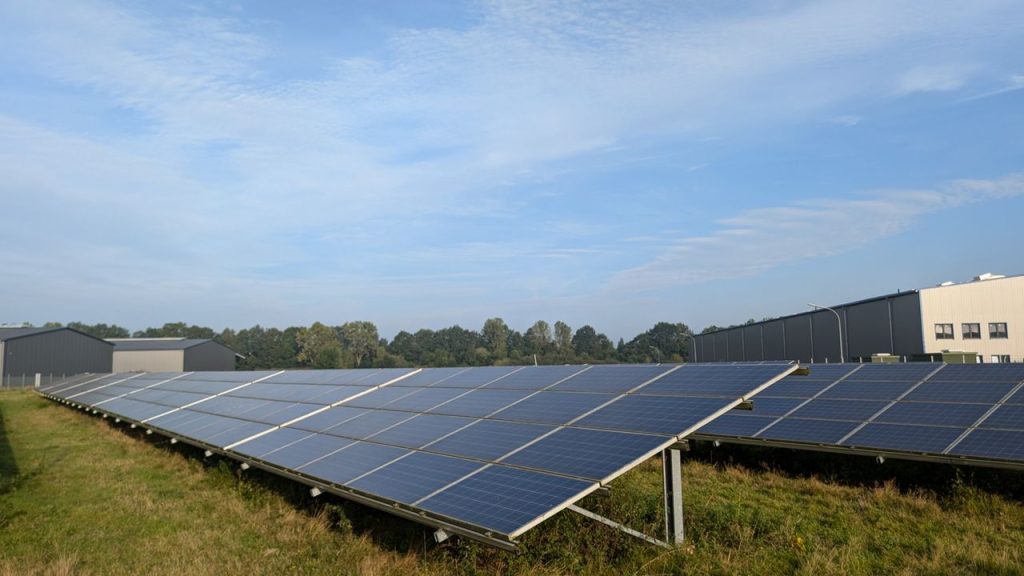
Running a factory in Lagos means electricity is not just a utility; it is part of daily production planning. When grid supply drops, machines stop, workers lose productive hours, and diesel generators quickly increase operating costs. This is why factory solar panel leasing Lagos is becoming a practical option for businesses that need dependable power without paying the full cost of a solar installation upfront.
Instead of purchasing panels, batteries, inverters and supporting equipment outright, a factory can lease a solar power system based on its electricity requirements. For manufacturers around Ikeja, Ogba, Ilupeju, Amuwo-Odofin, Apapa and other industrial areas, this can make the move away from heavy generator dependence easier to manage financially.
How Solar Leasing Works for a Lagos Factory
A commercial solar lease normally starts with an assessment of the facility’s electricity consumption.
The provider needs to understand equipment such as production machines, refrigeration units, lighting, office systems, pumps and air-conditioning. Electricity bills and generator fuel consumption can also help determine the appropriate solar capacity.
The final arrangement may include:
- Solar panels
- Commercial inverters
- Battery storage
- Mounting structures
- Installation and commissioning
- Maintenance support
- Monitoring equipment
Rather than paying the entire equipment cost immediately, the business usually makes scheduled payments under an agreed leasing arrangement.
For factories trying to preserve working capital for raw materials, salaries, equipment purchases and distribution, this payment structure can be more manageable.
Calculate Your Actual Factory Load Before Leasing
One mistake businesses make is asking for solar panels based only on the size of their premises.
A 2,000-square-metre warehouse with mainly lighting may consume far less electricity than a smaller factory operating compressors, motors, packaging machines and industrial refrigeration.
Before committing to factory solar panel leasing in Lagos, identify your critical loads.
For example, management may decide that solar power should support production lines, computers, security systems and lighting while particularly heavy machinery remains on another power source.
This type of hybrid arrangement can reduce the size and cost of the solar system while still cutting generator operating hours significantly.
What Determines the Monthly Leasing Cost
There is no sensible single price for every commercial solar lease in Lagos.
The cost depends heavily on:
- Required solar capacity
- Battery storage size
- Daily operating hours
- Factory energy consumption
- Roof or ground installation conditions
- Equipment specification
- Lease duration
- Maintenance arrangements
- Installation complexity
A company operating only during daylight hours may require a different battery configuration from a factory running evening or overnight shifts.
This is why businesses should request an energy assessment rather than choosing a system simply because another factory uses the same number of panels.
Moving Solar Equipment to Industrial Sites Can Be Complicated
Commercial solar projects involve more than purchasing equipment.
Panels, batteries, mounting structures and electrical components may need to be collected from different suppliers and delivered to the factory without damage. Larger installations can also require scheduled trucks and careful coordination between suppliers, installers and site management.
Traffic is another consideration.
Delivering equipment to an industrial facility around Apapa or Amuwo-Odofin during heavy traffic can disrupt installation schedules if transport is poorly planned.
Travo.ng can support businesses with transport coordination, cargo logistics, delivery services and vehicle hire where required for commercial solar projects. This helps companies coordinate the movement of equipment while technical installers concentrate on the electrical work.
Check These Details Before Signing a Solar Lease
Do not choose a lease based only on the monthly payment.
Ask who owns the equipment during the agreement, who handles maintenance, what happens when an inverter or battery develops a fault, and whether replacement components are covered.
Also confirm:
- The expected system output
- Battery capacity and usable storage
- Maintenance responsibilities
- Lease duration
- Early termination conditions
- Equipment replacement terms
- Monitoring and technical support
- What happens at the end of the lease
Factories should also compare projected lease payments with current spending on diesel, generator maintenance and production downtime.
Arrange Factory Solar Logistics With Travo.ng
Switching to solar should not create another logistics problem for your business.
For companies exploring factory solar panel leasing Lagos, Travo.ng can help coordinate the practical movement of panels, batteries and related equipment to commercial and industrial locations.
Businesses can also use Travo.ng for cargo movement, scheduled deliveries, vehicle hire and wider business logistics support when equipment needs to move between suppliers, warehouses and factory sites.
With proper load assessment, realistic lease terms and organised delivery, solar leasing can provide Lagos factories with a more predictable route toward reducing generator dependence without requiring a large upfront equipment purchase.
