


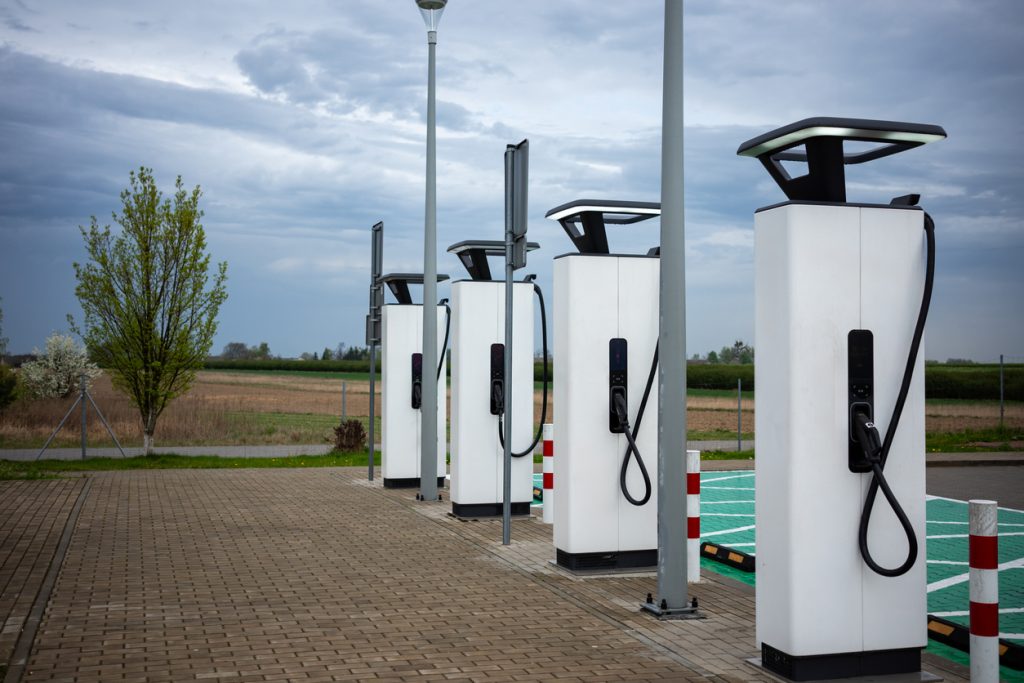
Finding a reliable EV charger installation service provider in Nigeria is becoming more important as electric vehicles move beyond early adoption into homes, offices, hotels and commercial fleets.
Installing an EV charger is not simply a matter of mounting a charging box beside a parking space. The installer needs to understand the vehicle, available electricity supply, cable distance, earthing, protection equipment and the amount of charging power the property can safely support.
In cities such as Lagos and Abuja, where public charging infrastructure is expanding, many EV owners still prefer having dependable charging available at home or work. Nigeria already has public AC and DC charging locations, particularly around Lagos and Abuja, but availability, connector compatibility and access can vary.
Travo.ng can help customers coordinate EV charger installation and related mobility arrangements without leaving them to manage different providers separately.
What Should Be Checked Before Installing an EV Charger?
A proper installation should begin with a site assessment.
For a residential property in Lekki, Ikeja, Maitama or Gwarinpa, for example, the installer needs to check the building’s electrical capacity before recommending a charger.
The assessment normally covers:
- available single-phase or three-phase power
- existing distribution board capacity
- earthing and surge protection
- distance from the power source to the parking area
- charger location and weather exposure
- the EV’s connector and maximum charging rate
- generator, inverter, battery or solar integration where applicable
A 7.4kW AC wall charger is commonly suited to overnight residential charging, while larger commercial installations may use 11kW or 22kW AC units. Nigerian providers also offer DC fast-charging systems for locations where vehicles need shorter turnaround times.
Home EV Charger Installation Should Match Your Daily Driving
A Lagos driver travelling between Lekki and Victoria Island every day may not need the same charging setup as a company operating several electric vehicles.
For many private owners, overnight charging is the practical option. The car returns home in the evening, connects to the charger and is ready for normal commuting the following morning.
This means choosing the biggest charger available is not always necessary.
An experienced EV charger installation service provider should first consider your daily mileage, vehicle battery size and electricity supply before recommending equipment.
That approach can prevent unnecessary spending or installing a charger that the property’s electrical system cannot comfortably support.
Commercial EV Charging Requires More Planning
Businesses have different requirements.
A hotel in Victoria Island may want chargers for guests. A logistics company could require several charging bays for delivery vehicles, while an office development may need controlled access and separate energy monitoring.
Commercial installations may therefore require:
- load assessment
- multiple charging points
- smart load management
- user authentication or billing
- dedicated parking arrangements
- backup power planning
- scheduled maintenance
DC fast chargers can substantially reduce charging time compared with normal AC chargers, but they also demand greater electrical capacity and more detailed site planning. Current Nigerian charging networks already operate DC fast chargers in Lagos and Abuja.
What Does EV Charger Installation Cost in Nigeria?
There is no sensible fixed price for every installation.
The final cost depends on the charger capacity, cable run, electrical upgrades, protection equipment and whether solar or battery storage will be integrated.
As a current market reference, one Nigerian supplier lists a 7.4kW smart residential wallbox at about ₦850,000 including installation in Lagos and Abuja, while commercial and DC fast-charging installations are quoted after a site survey. Prices vary considerably between equipment brands and installation conditions, so customers should treat this as a benchmark rather than a universal rate.
Arrange EV Charger Installation Through Travo.ng
Whether you need charging for one electric car, an office parking area or a growing commercial fleet, the best starting point is matching the charger to the property and actual vehicle usage.
Travo.ng can help coordinate an appropriate EV charger installation service provider, site assessment and related mobility support.
For businesses transitioning to electric vehicles, Travo.ng can also assist with vehicle transport coordination, fleet-related logistics and other practical mobility requirements.
Getting the installation right from the beginning means safer charging, fewer electrical problems and a setup that genuinely fits how the vehicle is used every day.
