


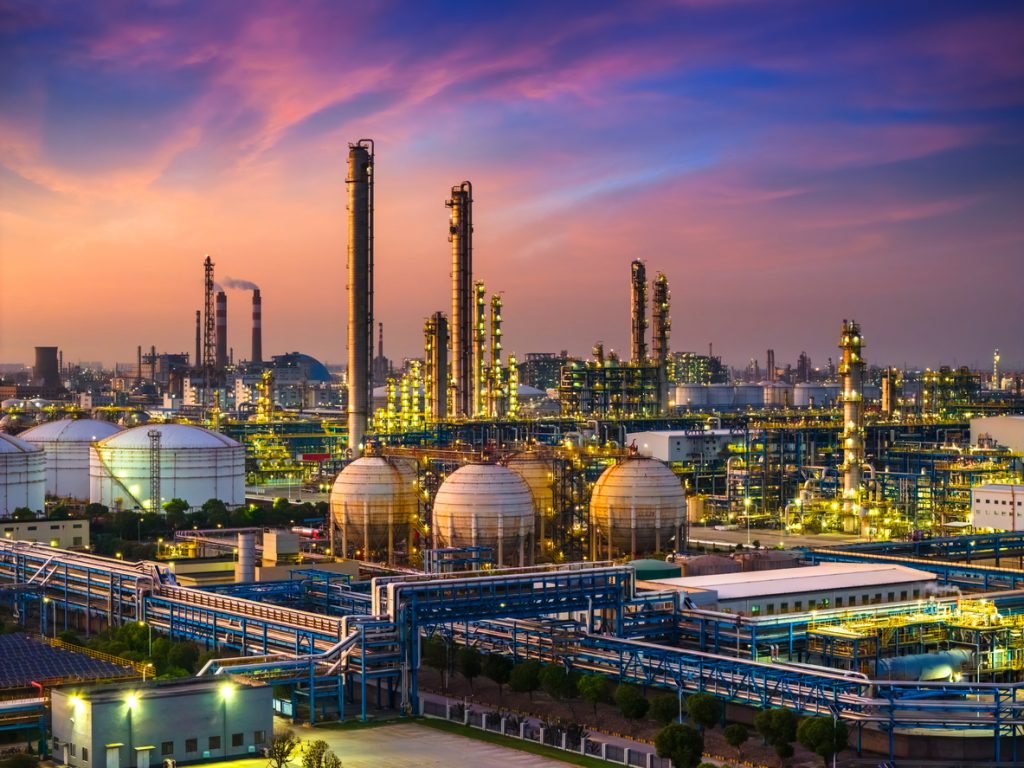
The Dangote Refinery has become one of the biggest industrial and logistics operations in Africa, and its impact on transportation and supply chain activity across Nigeria is already massive.
Located in the Lekki Free Zone in Lagos, the refinery depends heavily on large-scale logistics coordination daily for:
- Fuel distribution
- Cargo movement
- Equipment transportation
- Marine logistics
- Fleet operations
- Interstate supply chain support
As refinery operations continue expanding, demand has also increased for logistics companies capable of handling:
- Heavy-duty transport
- Petroleum distribution
- Industrial cargo
- Tanker movement
- Fleet coordination
- Port logistics
This has created major opportunities for logistics providers operating across Nigeria.
Why Logistics Is Critical to Dangote Refinery Operations
The Dangote Refinery is not a standard manufacturing facility.
It is a massive industrial operation requiring constant movement of:
- Crude oil
- Refined petroleum products
- Industrial materials
- Engineering equipment
- Chemicals
- Bulk cargo
Because of this, logistics operations connected to the refinery involve:
- Road transportation
- Marine shipping
- Port handling
- Tanker scheduling
- Interstate distribution
- Supply chain coordination
The refinery’s scale means even small operational delays can affect:
- Fuel distribution
- Delivery timelines
- National supply chains
- Commercial transport movement
The Types of Logistics Companies Supporting Refinery Operations
Several categories of logistics companies are involved directly or indirectly in refinery-related operations.
Tanker and Petroleum Transport Companies
These companies handle:
- Fuel loading
- Petroleum haulage
- Nationwide fuel distribution
- Depot supply operations
They typically operate large tanker fleets moving products from Lagos to:
- Abuja
- Kano
- Port Harcourt
- Enugu
- Ibadan
- Northern Nigeria
Marine and Port Logistics Operators
Because the refinery sits close to major maritime infrastructure, marine logistics plays a major role.
Services include:
- Vessel coordination
- Port handling
- Offshore support
- Cargo clearing
- Marine transportation
The Lekki Deep Sea Port has also increased demand for integrated logistics coordination around the refinery corridor.
Heavy Equipment and Industrial Cargo Companies
Large industrial projects require movement of:
- Construction machinery
- Steel components
- Industrial equipment
- Oversized cargo
Heavy-duty logistics providers specialising in abnormal loads and industrial transport are heavily involved in these operations.
Fleet and Distribution Companies
Petroleum distribution requires:
- Fleet scheduling
- Driver coordination
- Interstate transport management
- Delivery monitoring
Many logistics firms now invest heavily in:
- GPS tracking
- Fleet monitoring systems
- Fuel management technology
- Dispatch optimisation
because refinery-linked movement operates at very high volume.
Lagos Has Become Nigeria’s Biggest Refinery Logistics Hub
The Lekki corridor has rapidly evolved into one of Nigeria’s most important logistics zones because of:
- Dangote Refinery
- Lekki Deep Sea Port
- Industrial expansion
- Growing commercial activity
This has increased demand for:
- Cargo movement
- Warehouse operations
- Truck coordination
- Fuel transportation
- Corporate logistics support
Areas around:
- Ibeju-Lekki
- Ajah
- Epe corridor
- Lekki Free Zone
now experience significantly higher commercial transport activity than before.
Major Logistics Challenges Around Dangote Refinery Operations
Despite the opportunities, logistics companies still face major operational challenges.
Road Infrastructure Pressure
Heavy truck movement creates congestion on major access routes around Lekki.
Fuel Distribution Coordination
Nationwide petroleum distribution requires precise scheduling to avoid supply disruptions.
Port Congestion Risks
As industrial activity grows, marine and port logistics pressure also increases.
Security and Compliance Requirements
Petroleum and industrial cargo movement requires:
- Regulatory compliance
- Security coordination
- Safety management
Interstate Fuel Distribution Depends Heavily on Logistics Efficiency
Once refined products leave the refinery, nationwide movement depends on transport companies capable of handling:
- Long-distance tanker operations
- Fleet maintenance
- Driver scheduling
- Route planning
Fuel movement from Lagos to northern Nigeria can involve:
- Multi-state transport coordination
- Overnight fleet movement
- Delivery scheduling under difficult road conditions
This is why logistics reliability matters heavily within refinery-related operations.
How Technology Is Changing Refinery Logistics
Modern logistics companies supporting refinery operations increasingly use:
- GPS fleet tracking
- Route optimisation software
- Delivery monitoring systems
- Digital scheduling tools
- Fuel management platforms
Because transport costs are extremely sensitive in petroleum logistics, operational efficiency directly affects profitability.
Businesses unable to manage:
- Downtime
- Fleet delays
- Fuel losses
- Delivery inefficiencies
often struggle to compete in large-scale industrial logistics.
Businesses Supporting Dangote Refinery Need Coordinated Logistics
Companies working around refinery operations often require:
- Staff transportation
- Cargo movement
- Vehicle hire
- Hotel reservations
- Airport pickups
- Interstate logistics support
Contractors, engineers, suppliers, and corporate teams moving between:
- Lagos
- Abuja
- Port Harcourt
- Lekki Free Zone
frequently depend on coordinated transport and logistics planning.
Platforms like Travo.ng also help businesses manage:
- Logistics coordination
- Corporate travel
- Vehicle hire
- Airport transfers
- Delivery support
- Interstate transport arrangements
especially for companies handling complex operational movement across Nigeria.
Why Refinery Logistics Will Continue Growing in Nigeria
As local refining capacity expands, logistics demand will likely continue increasing across:
- Petroleum transport
- Cargo movement
- Fleet operations
- Marine logistics
- Warehouse support
- Interstate distribution
This growth affects not only large industrial operators but also:
- SMEs
- Transport contractors
- Fleet companies
- Delivery businesses
- Support service providers
Because large-scale refining creates ripple effects throughout Nigeria’s transport and logistics sector.
Logistics Is Central to Refinery Operations
The Dangote Refinery is not only an energy project — it is also one of Nigeria’s largest logistics ecosystems.
From marine cargo to interstate fuel movement, the refinery depends heavily on transport coordination and supply chain efficiency daily.
As refinery activity continues growing, logistics companies capable of handling:
- Large-scale transport
- Fleet coordination
- Industrial cargo
- Petroleum distribution
- Interstate movement
will play an increasingly important role in Nigeria’s economy.
And for businesses operating within this expanding industrial environment, reliable logistics coordination has become just as important as production itself.
