


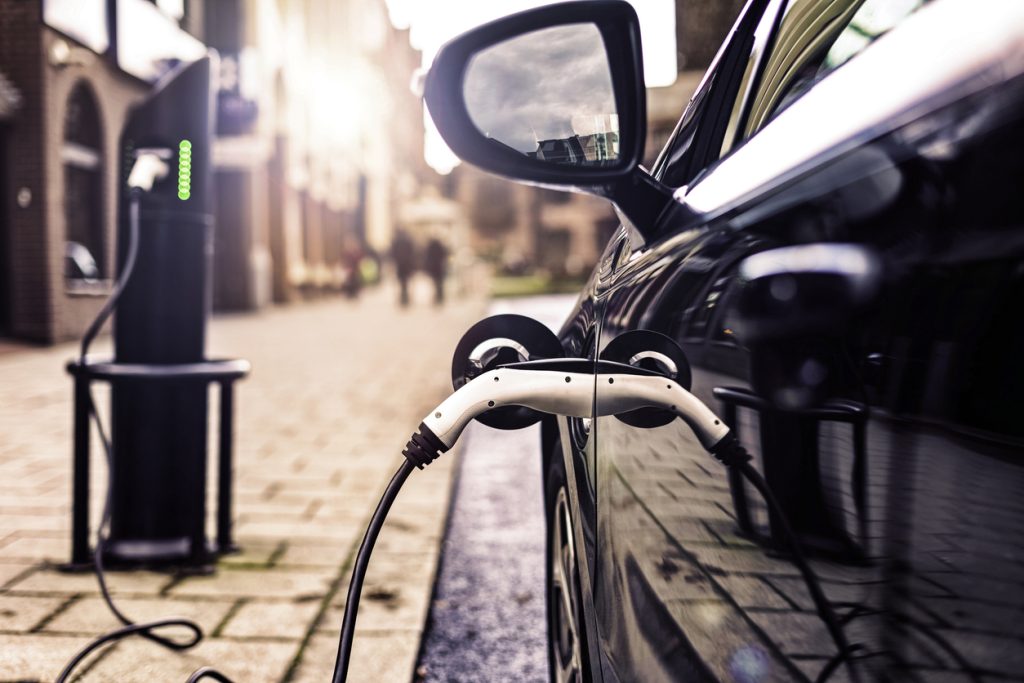
Carbon reduction fleet charging is becoming an important part of fleet planning for Nigerian businesses that want to reduce fuel use, control transport costs, and move gradually towards electric mobility.
For companies operating delivery vans, staff buses, service vehicles, ride-hailing fleets, or corporate transport, switching to electric vehicles is only part of the job. The bigger operational question is how those vehicles will be charged without disrupting daily movement.
A fleet that cannot leave the depot on time because several vehicles are still charging can quickly create missed deliveries, late staff pickups, and customer complaints. That is why charging infrastructure needs to be planned around actual transport operations rather than treated as a simple electrical installation.
Start With How Your Vehicles Actually Work Each Day
Before installing chargers, businesses need to understand their normal fleet movement.
A Lagos delivery fleet may leave between 6:00 am and 8:00 am, return at different times, and cover areas such as Ikeja, Lekki, Victoria Island, Surulere, and the mainland. A corporate staff transport fleet may follow predictable morning and evening schedules.
These differences affect the type and number of chargers required.
Fleet managers should review:
- Daily distance travelled by each vehicle
- Typical departure and return times
- How long vehicles remain parked
- Battery capacity and expected charging time
- Number of vehicles expected to charge simultaneously
- Available power supply at the depot
This information helps prevent both underbuilding and overspending on charging infrastructure.
Charging Every Vehicle at the Same Time Is Usually Unnecessary
One common mistake is assuming that every electric vehicle needs its own high-powered charger.
In practice, many fleets can use scheduled or staggered charging.
Vehicles returning earlier can begin charging first, while others are charged later in the evening. Vehicles assigned to shorter routes may also require less energy than those covering longer distances.
Smart charging systems can help distribute available electricity across several vehicles instead of allowing every charger to draw maximum power simultaneously.
This can reduce peak electricity demand and make carbon reduction fleet charging more practical for businesses operating from warehouses, offices, logistics yards, or transport depots.
Power Reliability Must Be Included in the Plan
Nigeria’s electricity conditions make charging strategy especially important.
A business cannot rely on an EV fleet charging system without considering grid availability, backup power, solar generation, battery storage, or other energy sources.
For example, a logistics operator expecting ten vehicles to be ready by 6:30 am needs to know whether overnight electricity supply is dependable enough to complete charging.
Where grid supply is unstable, businesses may combine solar installations, battery storage, and managed charging to reduce dependence on diesel generators.
Using diesel purely to charge electric vehicles may reduce some vehicle emissions, but it weakens the overall environmental and operating-cost advantage.
The Best Charger Is Not Always the Fastest Charger
Fast chargers can be useful for vehicles that need to return to service quickly, but they are not necessary for every fleet.
Vehicles parked for eight to twelve hours overnight may be able to use slower AC chargers at a lower infrastructure cost.
Higher-powered DC charging is more useful where vehicles operate multiple shifts or have very short turnaround periods.
The right setup depends on utilisation rather than simply installing the most powerful equipment available.
Carbon Reduction Should Be Measured Beyond Fuel Savings
Businesses introducing electric fleets should track actual operational results.
Useful measurements include electricity consumed per vehicle, kilometres travelled per charge, charging cost per kilometre, diesel or petrol displaced, vehicle downtime, and estimated emissions avoided.
This makes it easier to determine whether the charging programme is delivering real commercial and environmental improvements.
Coordinating Electric Fleet Operations With Travo.ng
Travo.ng can support businesses managing the transport and logistics side of the transition by coordinating vehicle movement, delivery operations, business logistics, and fleet-related transport requirements.
For companies gradually introducing electric vehicles, existing petrol or diesel vehicles may still need to operate alongside new EVs. Routes, vehicle availability, charging windows, and delivery schedules therefore need to work together.
A practical carbon reduction fleet charging strategy is ultimately about keeping vehicles productive while reducing unnecessary fuel consumption and emissions.
Businesses that plan charging around actual routes, parking periods, electricity availability, and daily transport demand are far more likely to build an electric fleet system that works reliably in Nigerian operating conditions.
