


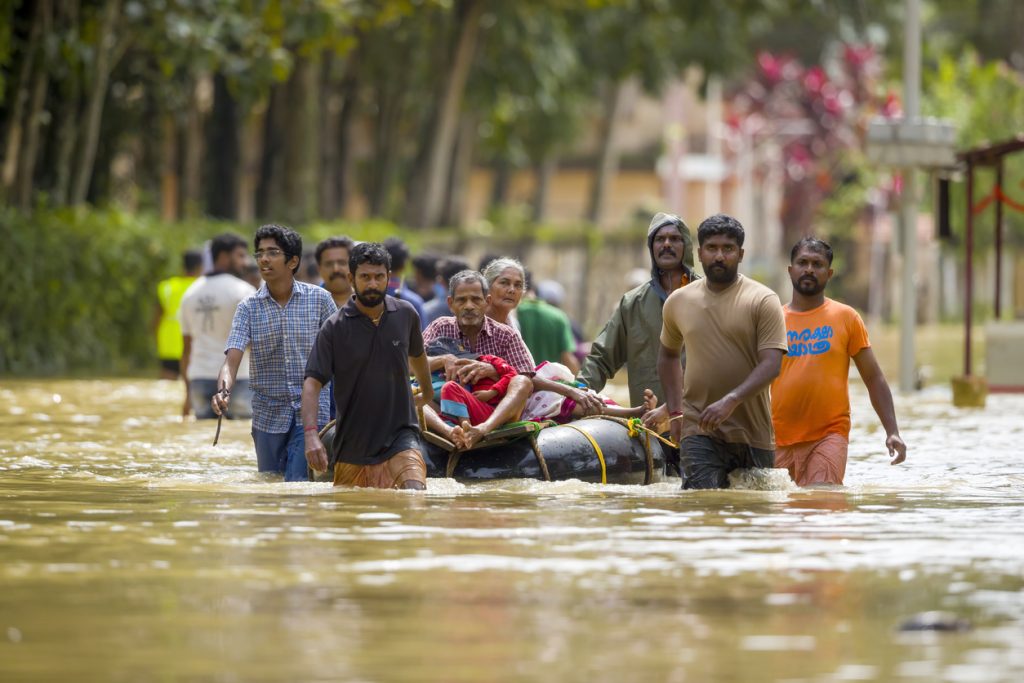
Flooding in Lagos can turn a normal working day into an operational problem within hours. Roads become difficult to access, dispatch riders struggle to complete deliveries, employees may be unable to reach the office, and valuable stock can be exposed to water damage.
A practical flood response plan for businesses in Lagos should therefore cover much more than evacuating an office. It needs to explain how staff, inventory, vehicles, deliveries and customer commitments will be handled when heavy rainfall disrupts movement.
Nigeria’s hydrological authorities publish annual flood outlooks and early-warning information to support preparedness, so businesses should not wait until water is already entering their premises before taking action.
Know What Becomes Vulnerable First
Start by identifying the parts of your operation that flooding can interrupt fastest.
For a retailer in Lekki, this may be stock stored close to ground level. A distribution business in Apapa may be more concerned about trucks being delayed on flooded access roads. An office in Victoria Island may need a plan for employees commuting from places such as Ajah, Surulere or the mainland.
Your assessment should cover:
- Stock and equipment stored on low floors
- Delivery vehicles and motorcycles
- Access roads around the premises
- Electricity, generators and fuel storage
- Staff transport arrangements
- Customer orders awaiting dispatch
- Important documents and computers
Anything that cannot tolerate several hours of water exposure or transport disruption should have a backup arrangement.
Move Important Goods Before Roads Become Difficult
One common mistake is waiting until flooding has already started before trying to relocate inventory.
When forecasts indicate prolonged or intense rainfall, businesses with vulnerable stock should consider moving goods to safer storage earlier. Cartons can be raised from floors onto pallets or shelving, while high-value inventory can be transferred to another warehouse if the location regularly experiences flooding.
For companies operating multiple locations, inventory can also be redistributed temporarily. A business with stock in Lekki, Ikeja and Surulere, for example, may move critical items toward whichever facility has safer access.
Travo.ng can support these movements through cargo logistics, vehicle hire and transport coordination when businesses need stock transferred between warehouses or operational locations.
Have Alternative Delivery Routes Ready
Flooding rarely affects every Lagos road equally.
A delivery route that normally takes 45 minutes can become a several-hour journey when drainage problems, traffic diversions and stalled vehicles combine. Dispatch teams should therefore avoid treating their normal route as the only route.
Businesses should maintain alternative delivery options for important corridors and allow dispatch decisions to change quickly.
Same-day delivery promises may also need adjustment during severe weather. It is better to notify customers early than send a rider into an unsafe area simply to meet an unrealistic delivery window.
Decide How Employees Will Get Home Safely
A good flood response plan for businesses in Lagos must include employees.
Heavy rain beginning in the afternoon can leave workers stranded long after closing time. Companies should decide beforehand when employees can leave early, who can work remotely and which essential staff may require organised transportation.
Businesses with teams travelling between offices, warehouses or project sites can arrange vehicles rather than expecting every employee to find transport independently during major disruption.
Travo.ng’s vehicle hire and transport coordination services can be useful for planned staff movement, particularly when several employees need to travel together.
Create a Clear Emergency Logistics Checklist
During an actual flood event, complicated procedures are rarely useful. Management should have a short checklist covering immediate actions.
Someone should be responsible for monitoring weather and flood alerts. Another person should coordinate deliveries and vehicles. Warehouse staff should know which stock must be moved first, while customer-facing teams should communicate delays.
Nigeria’s flood-warning systems are designed to provide information that can support earlier preparation rather than purely reactive decisions.
Keep a Backup Transport and Delivery Partner
Flood disruption becomes harder to manage when businesses start searching for vehicles, drivers or delivery support only after their normal arrangements fail.
Having an alternative logistics option already identified makes response faster.
Travo.ng can assist Lagos businesses with courier services, cargo movement, delivery coordination, vehicle hire and business logistics support when weather affects normal operations.
The most effective flood plan is one created before the first serious downpour. Protecting stock, identifying alternative routes and arranging backup transport early can help a business continue serving customers even when Lagos roads become difficult to navigate.
