


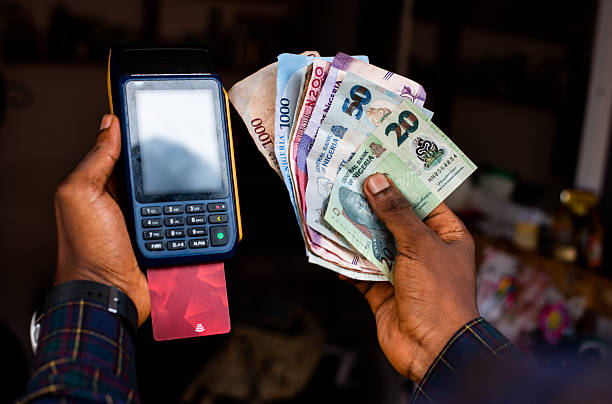
For many Nigerian businesses, cash-on-delivery is still one of the easiest ways to win customer trust. A customer in Lekki, Wuse, Port Harcourt, or Ibadan may feel more comfortable paying only after seeing the item. That makes sense from the buyer’s side, but for the seller, cod reconciliation in Nigeria can become stressful when orders, riders, failed deliveries, bank transfers, cash collections, and remittances are not properly tracked.
A simple delivery can quickly turn into a payment issue. The rider says the customer paid by transfer. The customer says cash was handed over. The dispatch record shows delivered, but the merchant has not received settlement. This is why proper COD handling is not just a finance task. It is part of daily logistics operations.
What COD Reconciliation Actually Means for Nigerian Sellers
COD reconciliation is the process of matching delivered orders with the money collected from customers. It helps a business confirm three things:
- Which orders were successfully delivered
- How much was collected from each customer
- How much should be remitted to the merchant after delivery charges or agreed fees
For example, a fashion vendor in Yaba may send 25 packages across Lagos in one day. Some customers pay cash, some pay by transfer to the rider, and a few reject their orders. Without proper reconciliation, the vendor may only know that “some deliveries went out,” but not exactly which payments came in.
That gap is where losses happen.
Why COD Can Be Messy in Lagos, Abuja, and Other Busy Cities
In Nigeria, delivery operations are affected by real conditions on the road. Lagos traffic can delay riders moving between Ajah, Surulere, Ikeja, and Victoria Island. Abuja deliveries may look easier, but distance between areas like Gwarinpa, Wuse, Lugbe, and Apo can still affect timing. In cities like Port Harcourt, Benin, and Ibadan, customer availability also matters.
Common COD problems include:
- Customers changing payment method at the doorstep
- Riders collecting cash and delaying remittance
- Failed delivery attempts not properly recorded
- Wrong delivery fees deducted from merchant payments
- Multiple orders with similar customer names
- Bank transfer confirmations coming late
- Returns not separated from successful deliveries
These are not small issues for businesses that ship daily. A ₦3,000 or ₦5,000 mismatch may look minor once, but repeated across many orders, it can affect cash flow badly.
A Practical Example of How Reconciliation Should Work
Let’s say an online skincare seller in Lagos sends 40 orders through a delivery partner. Each package has a product value between ₦8,000 and ₦25,000. At the end of the day, the seller should not only receive a general update saying “32 delivered.”
A proper COD report should show:
- Customer name and phone number
- Delivery location
- Order amount
- Delivery status
- Payment collected
- Payment method
- Rider or delivery agent assigned
- Delivery fee deducted
- Net amount due to the merchant
If 32 orders were delivered, 5 were rescheduled, and 3 were rejected, the settlement should reflect that clearly. This is the type of structure that helps businesses avoid arguments and follow up quickly.
How Travo.ng Helps Businesses Manage COD Deliveries Better
Travo.ng supports businesses that need reliable delivery, courier coordination, and logistics support across Nigeria. For merchants handling cash-on-delivery orders, the value is not just moving parcels from one point to another. It is also helping deliveries become easier to monitor and easier to settle.
A business can use Travo.ng for courier services, scheduled deliveries, interstate cargo movement, and business logistics support where clear delivery updates matter. This is useful for online vendors, wholesalers, pharmacies, fashion sellers, gadget dealers, food vendors, and small businesses that cannot afford payment confusion after dispatch.
Instead of treating delivery and payment follow-up as separate problems, Travo.ng gives businesses a more organized way to coordinate movement, confirm delivery outcomes, and reduce avoidable back-and-forth with riders or customers.
Mistakes Businesses Make With Cash-on-Delivery Orders
Many COD issues come from poor preparation before the rider even leaves. Some sellers write incomplete addresses, forget to confirm customer availability, or send riders out without clear order values.
Before dispatching COD orders, businesses should:
- Confirm the customer’s phone number and address.
- State the exact amount to collect.
- Separate delivery fee from product payment.
- Agree on remittance timing before pickup.
- Keep records of rejected or rescheduled orders.
- Use a logistics partner that understands local delivery realities.
For high-volume sellers, daily reconciliation is better than waiting until the end of the week. The longer a payment issue stays unresolved, the harder it becomes to confirm what actually happened.
When COD Reconciliation Becomes More Important
Proper reconciliation is especially important during festive seasons, promo periods, payday weekends, and high-demand shopping periods like Black Friday. During these times, riders handle more parcels, customers change delivery times more often, and merchants are under pressure to fulfill orders quickly.
If your business delivers across Lagos, Abuja, Port Harcourt, Ibadan, Enugu, or other Nigerian cities, a clear COD process helps protect revenue and customer trust.
Travo.ng helps businesses move goods, coordinate deliveries, manage courier needs, and support smoother logistics operations. For sellers who depend on cash-on-delivery, working with a logistics partner that understands Nigerian routes, customer behavior, and delivery settlement issues can make daily operations far less stressful.
COD can help you sell more, but only when the payment side is properly managed. With better records, reliable delivery coordination, and practical logistics support from Travo.ng, businesses can spend less time chasing payments and more time serving customers.
