


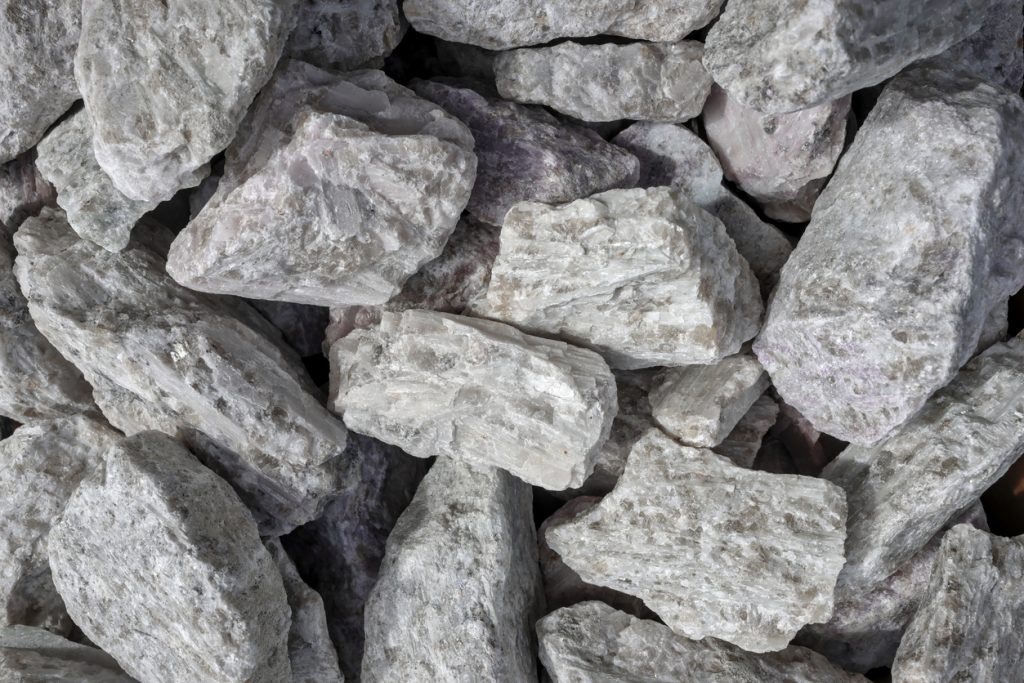
Mineral rights valuation is not something to guess. Whether land is in Nasarawa, Plateau, Kogi, Ogun, Ebonyi, or parts of the Niger Delta, the value of mineral rights depends on more than what people say is under the ground. It depends on access, documentation, market demand, extraction cost, transport routes, and whether the site can actually support commercial activity.
Many landowners hear that their land contains limestone, granite, lithium, gold, clay, coal, or bitumen and immediately assume the rights are worth millions. Sometimes they are. Sometimes the cost of moving equipment, getting approvals, or transporting materials to buyers reduces the real value.
That is why a proper valuation looks at the full picture, not just the mineral deposit.
What Mineral Rights Valuation Really Looks At
A serious valuation usually considers:
- Type of mineral available
- Estimated quantity and quality
- Legal ownership or lease position
- Distance to major roads and markets
- Cost of moving people, samples, and equipment
- Government licensing requirements
- Security and community access issues
- Current demand from buyers or processors
For example, a granite deposit near Abeokuta with easy truck access may be easier to commercialise than a larger deposit in a remote area with poor roads. In practical terms, accessibility can affect value almost as much as the mineral itself.
Why Location Can Change the Value Quickly
In Nigeria, logistics can make or break a mineral project. A site that looks profitable on paper may become expensive once you factor in road conditions, fuel cost, truck availability, and loading arrangements.
A valuation team going from Lagos to Kogi or Abuja to Nasarawa may need:
- Field transport
- Hotel reservations
- Driver coordination
- Sample movement
- Courier support for documents
- Vehicle hire for rough access roads
This is where Travo.ng can support the process practically. Instead of struggling with separate arrangements, clients can coordinate travel bookings, hotel stays, airport pickups, vehicle hire, and courier movement through one reliable service partner.
Common Mistakes People Make Before Valuing Mineral Rights
Many owners make decisions too early. Some accept offers without understanding what they own, while others overprice the rights because of rumours in the community.
Common mistakes include:
- Relying only on verbal claims about mineral deposits
- Ignoring transport and extraction costs
- Not checking proper documentation
- Forgetting community access issues
- Assuming every buyer offer reflects fair market value
- Failing to plan site visits properly
A buyer may offer less if the site is hard to reach, if documentation is unclear, or if samples cannot be moved quickly for testing.
Practical Costs That Affect the Final Valuation
While every case is different, some real operating costs often come up during mineral rights valuation in Nigeria.
A basic site visit from Lagos to another state may involve transport, accommodation, feeding, local movement, and courier costs. If technical consultants are involved, extra costs may include sample collection, lab testing, security support, and repeated visits.
For remote locations, hiring a reliable vehicle may be more useful than depending on random local transport. Bad access roads can delay inspection, damage vehicles, or make movement unsafe during the rainy season.
How Travo.ng Helps During the Valuation Process
Travo.ng is not a mining valuation company, but many mineral rights valuation activities require dependable travel and logistics support. That is where Travo.ng fits naturally.
Clients can use Travo.ng for:
- Booking travel for consultants or landowners
- Arranging airport pickups
- Reserving hotels close to inspection areas
- Hiring vehicles for site movement
- Sending documents by courier
- Coordinating interstate delivery of samples
- Supporting business logistics during negotiations
For example, if a consultant is flying into Abuja for a site visit in Nasarawa, Travo.ng can help with airport pickup, hotel booking, vehicle hire, and movement coordination. If documents need to move from Lagos to Abuja, courier support can also be arranged.
When You Should Request a Proper Valuation
You should consider mineral rights valuation before:
- Selling mineral rights
- Leasing land to an operator
- Accepting a mining company’s offer
- Entering a joint venture
- Using mineral rights as investment collateral
- Negotiating compensation or royalties
The earlier you understand the practical value, the better your position in negotiations.
A Smarter Way to Approach Mineral Rights Valuation
Mineral rights valuation should be handled carefully, especially in Nigeria where access, documentation, logistics, and local conditions can affect value. Do not rely only on rumours or buyer interest. Get proper advice, plan field movement well, and make sure every inspection or document exchange is organised.
For the travel and logistics side of the process, Travo.ng helps clients move people, documents, parcels, and equipment more conveniently across Nigeria. Whether you need hotel booking, vehicle hire, courier delivery, airport pickup, or interstate transport coordination, Travo.ng can support the practical work around your mineral rights valuation process.
