


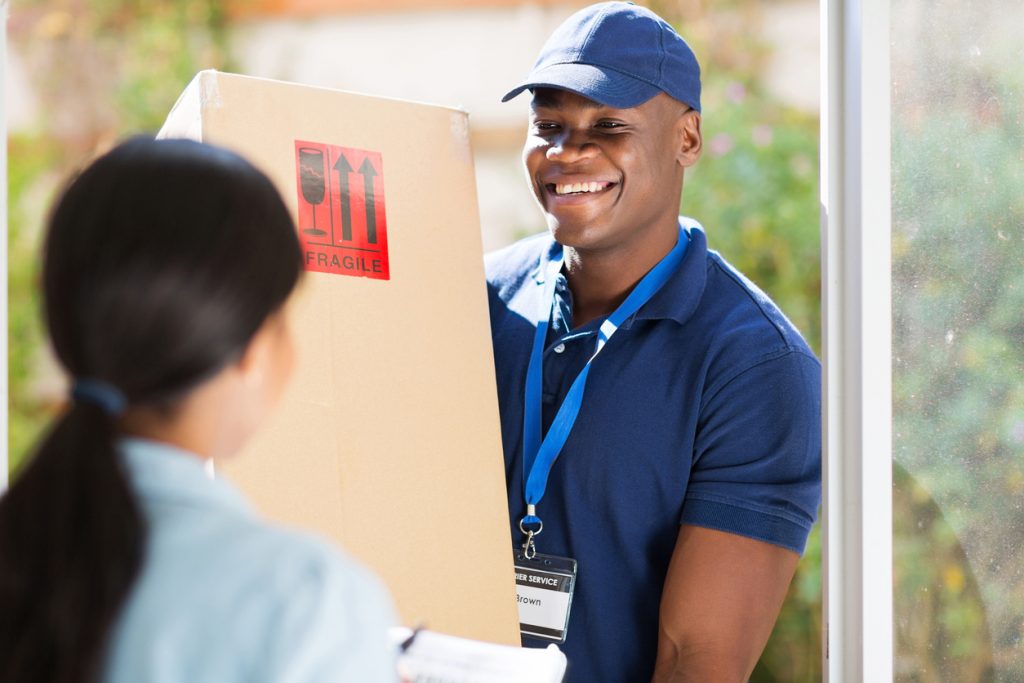
Pickup and delivery service for small businesses in Nigeria refers to logistics support that helps SMEs move products, raw materials, and customer orders from one location to another using dispatch riders, cars, and vans.
It is especially important in cities like Lagos, Abuja, Port Harcourt, Ibadan, Kano, and Aba, where small businesses rely on fast, affordable, and reliable delivery to serve customers and restock inventory.
Travo.ng explains this as a SME-focused last-mile logistics system that supports daily operations, sales growth, and customer satisfaction.
1. What Is Pickup and Delivery for Small Businesses?
It is a service where:
- A business sends or receives goods through a courier
- Items are picked from markets, suppliers, or warehouses
- Products are delivered to customers or business locations
- Logistics is handled externally so the business can focus on sales
👉 It reduces the need for small businesses to own transport systems.
2. Who Needs This Service?
🛍️ Online sellers
- Instagram vendors
- WhatsApp businesses
- E-commerce startups
🏪 Retail shops
- Boutiques
- Supermarkets and mini-marts
- Hardware stores
🍽️ Food businesses
- Restaurants
- Catering services
- Food vendors
🔧 Service businesses
- Repair technicians
- Tailors and fashion designers
- Spare parts dealers
3. What Small Businesses Commonly Deliver
📦 Customer orders
- Fashion items
- Electronics accessories
- Personal packages
🛒 Stock and inventory
- Goods from markets
- Wholesale restocking items
- Imported products
🥘 Food supplies
- Restaurant ingredients
- Packaged meals
- Grocery items
4. How SME Pickup & Delivery Works
- Business receives order or needs stock
- Pickup request is sent to dispatch service
- Rider or vehicle is assigned
- Items are collected from market, supplier, or shop
- Goods are delivered to customer or business location
5. Types of SME Delivery Services
⚡ Same-day delivery
- Fast delivery for customer orders
- Common for e-commerce sellers
🛒 Market-to-business delivery
- Goods purchased from markets and delivered to shops
- Used for restocking
🚚 Bulk delivery
- Large inventory movement
- Uses vans or trucks
📦 Door-to-door delivery
- Direct delivery to customers
- Supports online sales
6. Transport Modes Used
🏍️ Motorcycles
- Best for small, fast deliveries
- Ideal for daily SME operations
🚗 Cars
- Used for fragile or mid-size goods
- Safer for high-value products
🚐 Vans and trucks
- Used for bulk or wholesale delivery
- Common for growing businesses
7. Benefits for Small Businesses
- Faster order fulfillment
- Improved customer satisfaction
- Reduced operational cost
- No need for business-owned logistics fleet
- Supports business scaling and growth
8. Challenges SMEs Face in Delivery
- Traffic delays in major cities
- Delivery cost fluctuations
- Wrong address or communication issues
- Market sourcing delays
- Seasonal demand spikes
9. Who Benefits Most?
- Online vendors and digital sellers
- Small retail shop owners
- Food and catering businesses
- Fashion designers and tailors
- Electronics and gadget sellers
- Local wholesalers
10. Best Practices for Small Businesses
- Use trusted and consistent dispatch partners
- Automate order and delivery tracking where possible
- Provide clear delivery instructions
- Bundle deliveries to reduce cost
- Schedule regular pickup times for efficiency
11. Travo.ng Logistics Insight
From a logistics perspective, pickup and delivery for small businesses is the engine of SME growth in Nigeria, where:
- Logistics replaces the need for owned transport
- Markets and suppliers connect directly to customers
- Fast delivery increases sales conversion
- Efficiency improves competitiveness in crowded markets
Travo.ng supports this ecosystem by enabling affordable SME logistics, structured dispatch coordination, and reliable last-mile delivery across Nigeria’s cities.
