


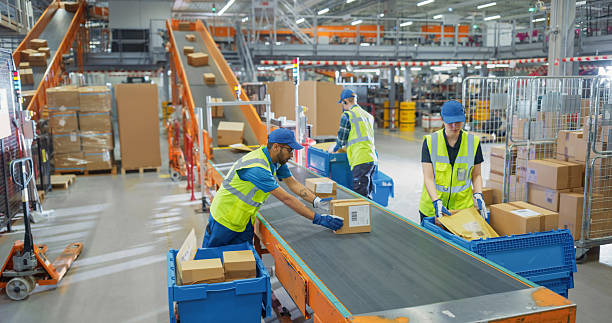
Warehouse safety in Nigeria is critical because of high-risk factors such as heavy cargo handling, forklift operations, fire hazards, poor power stability, and congested logistics zones like Apapa and Ikeja. A proper safety system reduces accidents, protects goods, and ensures compliance with industrial and insurance standards.
Travo.ng supports warehouse operators and businesses in Lagos and across Nigeria by helping them assess safety compliance for warehousing, logistics, and distribution facilities.
1. Fire Safety Compliance Checklist
Fire risk is one of the biggest warehouse hazards in Nigeria.
A safe warehouse must have:
- Fire extinguishers (correct type and regularly serviced)
- Fire alarms and smoke detectors
- Fire hydrant system (for large warehouses)
- Automatic sprinkler system (for FMCG and bonded warehouses)
- Clearly marked emergency exits
- Fire assembly points
👉 High-risk zones like Apapa, Ikeja, and Amuwo Odofin require stricter fire safety enforcement.
2. Structural Safety Checklist
Warehouse structure must support industrial operations.
Check for:
- Strong roofing (no leaks or corrosion)
- Crack-free concrete floors (forklift load capacity)
- Adequate ceiling height for stacking
- Proper ventilation system
- Secure loading dock structure
- No signs of structural weakness
Poor structure leads to cargo collapse and operational downtime.
3. Electrical Safety Checklist
Because of unstable power supply in Nigeria:
- Proper electrical wiring installation
- Circuit breakers and surge protection
- Generator safety enclosure
- No exposed or illegal wiring
- Regular maintenance of electrical systems
- Proper load management for machines
Faulty electrical systems are a major cause of warehouse fires.
4. Fire Escape and Emergency Systems
Every warehouse must have:
- At least 2 emergency exits (depending on size)
- Clearly visible exit signage
- Unblocked evacuation routes
- Emergency lighting systems
- Fire drills (periodic training for staff)
In Lagos industrial zones, blocked exits are a common compliance failure.
5. Material Handling Safety Checklist
For daily operations involving forklifts and cargo:
- Trained forklift operators only
- Clear pedestrian walkways
- Proper pallet stacking limits
- No overloading of racks
- Use of safety helmets and PPE
- Clearly marked loading/unloading zones
Accidents often occur during loading operations if rules are ignored.
6. Security Safety Checklist
Warehouse security is essential due to cargo theft risks.
A compliant warehouse should have:
- 24/7 security guards
- CCTV surveillance system
- Controlled access gates
- Visitor logging system
- Perimeter fencing and lighting
- Security checkpoints for trucks
High-value zones like Ikeja and Lekki require stronger surveillance systems.
7. Health & Safety (HSE) Compliance Checklist
General safety requirements include:
- First aid kits available and accessible
- Safety signage throughout warehouse
- Staff safety training programs
- Spill kits (for chemicals or fuel handling)
- Proper waste disposal system
- Clean and non-slippery floors
HSE compliance is especially important for FMCG and industrial warehouses.
8. Loading Bay Safety Checklist
Loading areas are high-risk zones.
Ensure:
- Dock levelers or ramps are secure
- Trucks are properly parked before loading
- Wheel chocks are used
- Forklifts operate within marked zones
- No overcrowding during loading operations
9. Environmental Safety Checklist
Warehouses in Nigeria must also manage environmental risks:
- Proper drainage system (to avoid flooding)
- Pest control and fumigation
- Temperature control (for sensitive goods)
- Waste management system
- Dust and air control systems
Flooding is a major issue in areas like Apapa and parts of Lagos Mainland.
10. Operational Safety Checklist
Daily operational checks should include:
- Equipment inspection before use
- Inventory stacking audits
- Regular cleaning and maintenance
- Staff attendance and role allocation
- Incident reporting system
11. Common Warehouse Safety Issues in Nigeria
- Poor fire safety compliance
- Overloaded racking systems
- Untrained forklift operators
- Power instability and generator misuse
- Blocked emergency exits
- Lack of CCTV coverage
These issues are common in under-managed warehouses across Lagos.
12. Why Warehouse Safety Matters
Good warehouse safety leads to:
- Reduced cargo loss and damage
- Faster operations and efficiency
- Lower insurance risk
- Better regulatory compliance
- Improved worker productivity
How Travo.ng Supports Warehouse Safety in Nigeria
Travo.ng helps businesses by:
- Assessing warehouse safety compliance before lease
- Connecting clients to verified safe warehouse facilities
- Supporting HSE-standard logistics operations
- Coordinating safe cargo handling and fleet movement
- Reducing operational risks in Lagos industrial zones
