


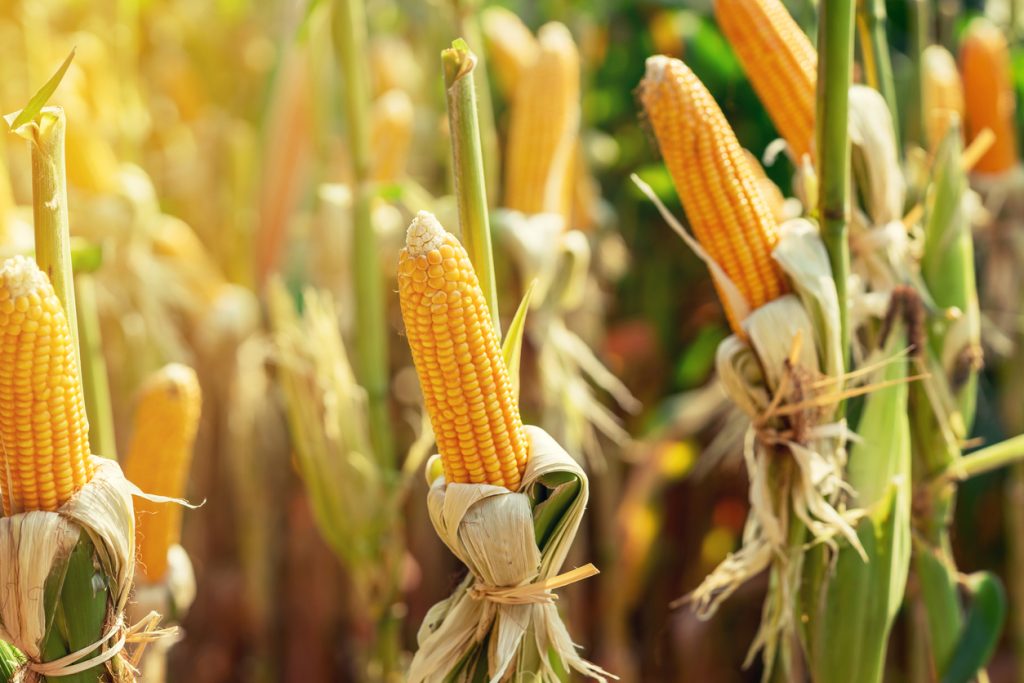
A proper maize farm analysis should do more than estimate how much maize a farmer expects to harvest. It should help answer practical questions about input costs, labour, transportation, storage, expected yield and how quickly harvested maize can reach buyers.
In Nigeria, these issues are closely connected. A farm may produce a good crop and still lose money because fertiliser arrived late, transport was unavailable during harvest, or harvested maize stayed too long in the field waiting for evacuation.
For commercial farmers, aggregators and agricultural businesses, analysing the farm alongside its logistics requirements gives a much clearer picture of whether the operation is profitable.
Start With the Actual Size and Expected Yield
The first step is confirming how much land is genuinely under cultivation.
A farmer may describe a farm as 20 hectares, but sections affected by poor germination, flooding, erosion or access roads may reduce the productive area.
Yield also varies considerably. Depending on seed variety, rainfall, soil condition, fertiliser application and pest control, two maize farms of the same size can produce very different results.
A useful maize farm analysis should therefore record:
- hectares successfully planted
- seed variety used
- planting and expected harvest dates
- fertiliser and chemical costs
- labour expenses
- estimated yield per hectare
- expected selling price
- transportation and storage costs
These figures make it easier to identify where money is being spent and whether the projected harvest can cover those expenses.
Transport Costs Can Change the Farm’s Profit
Farmers sometimes calculate production costs without properly budgeting for evacuation.
That becomes a problem when harvesting starts.
Consider a maize farm outside Ilorin supplying buyers in Lagos. Moving harvested maize from the farm may involve a smaller vehicle collecting produce from the field, transfer to a larger truck and then long-distance haulage into Lagos.
The final transport bill depends on the farm location, road accessibility, volume, truck size, fuel costs and whether the maize is bagged or transported in bulk.
Remote farms can also become difficult to reach after heavy rain. A truck that enters comfortably during the dry season may struggle on an unpaved access road in the middle of the rainy season.
Transport planning should therefore begin before harvest, not when hundreds of bags are already waiting.
Travo.ng can support agricultural businesses with vehicle hire, cargo logistics and transport coordination where produce, equipment or farm inputs need to move between Nigerian locations.
Analyse Input Movement Before the Planting Season
Farm logistics begins long before maize leaves the field.
Seeds, fertiliser, herbicides, farming equipment, packaging materials and sometimes temporary workers must reach the farm at the right time.
A delayed fertiliser delivery can affect an entire production schedule.
For farms receiving supplies from Lagos, Kano, Ibadan, Abuja or other commercial centres, it helps to arrange transport early and consolidate loads where practical. Businesses purchasing large quantities can also reduce unnecessary trips by coordinating deliveries around their planting timetable.
This is where reliable cargo and delivery planning becomes part of good farm management rather than an afterthought.
Have a Clear Plan for Harvest Evacuation
Harvest periods create another pressure point.
Once maize is ready, farmers may need labour, sacks, weighing equipment, trucks and temporary storage almost simultaneously.
A simple evacuation plan should establish how many bags or tonnes are expected each day, where they will be kept and what type of vehicle will collect them.
For example, if a farm expects 30 tonnes but the available vehicle can move only 10 tonnes per trip, the farmer must calculate whether three trips are realistic within the required period.
Where buyers are in another state, interstate transport availability also matters.
Travo.ng can help coordinate suitable transport for farm produce and related cargo, especially when businesses need planned pickups rather than searching for trucks at the last minute.
Use Maize Farm Analysis to Make Better Decisions
A useful maize farm analysis combines production figures with the realities of getting inputs in and harvested crops out.
Farmers should compare expected revenue against seed, fertiliser, labour, storage and transport expenses before deciding whether to expand acreage or accept a particular buyer’s price.
The strongest maize operations are not necessarily the farms with the largest land area. They are often the ones that understand their costs, plan movement early and reduce avoidable losses between planting and final delivery.
For farmers, aggregators and agricultural businesses handling larger movements, Travo.ng can provide practical cargo logistics, vehicle hire and transport coordination to support the journey from farm operations to market.
