


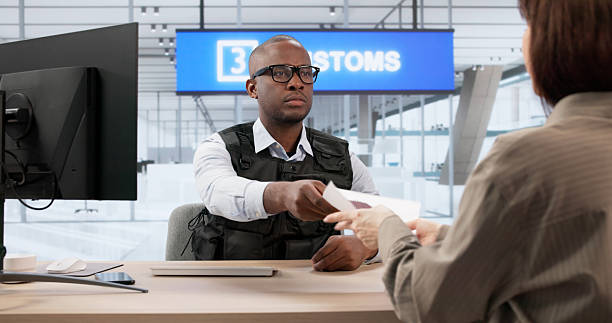
Unexpected customs charges in Nigeria refer to additional fees, duties, or penalties that appear during customs clearance which were not included in the importer’s original cost estimate. These charges usually arise from documentation issues, cargo inspection, reclassification, or regulatory requirements.
They commonly occur at major entry points such as Apapa Port, Tin Can Island Port, Onne Port, Port Harcourt Port, and airports like Murtala Muhammed International Airport.
In simple terms, unexpected customs charges are extra payments you make to clear your goods beyond the normal import duty.
Common Types of Unexpected Customs Charges in Nigeria
1. Customs Duty Reassessment
When the declared value of goods is reviewed and increased, leading to higher import duty.
Nigeria Customs Service
2. Penalty Charges
Fines imposed for:
- Incorrect declarations
- Under-valuation
- Misclassification of goods
- Documentation errors
3. Examination and Inspection Fees
Charges when cargo is selected for:
- Physical examination
- Scanning
- Verification checks
4. Demurrage and Storage Fees
Costs incurred when cargo remains at the port beyond the free storage period.
5. HS Code Reclassification Charges
Additional duties applied when goods are moved into a higher tariff category.
6. Regulatory Agency Charges
Fees linked to inspections by:
Standards Organisation of Nigeria
National Agency for Food and Drug Administration and Control
Nigerian Agricultural Quarantine Service
National Environmental Standards and Regulations Enforcement Agency
7. Fumigation and Treatment Costs
Applied when goods require pest control or sanitation before release.
8. Documentation Correction Fees
Charges for amending errors in:
- Bill of lading
- Invoice
- Packing list
- Import permits
Why Unexpected Customs Charges Occur
1. Incorrect Documentation
Errors or mismatches in shipment paperwork.
2. Undervaluation of Goods
Declaring lower value than actual market price.
3. Wrong Product Classification
Incorrect HS codes leading to duty adjustments.
4. Regulatory Holds
Delays caused by SON, NAFDAC, or NAQS inspections.
5. Cargo Selection for Examination
Random or risk-based inspections by Customs.
6. Port Delays
Long clearance time increases storage-related charges.
Impact of Unexpected Customs Charges
Importers may experience:
- Higher landed cost of goods
- Reduced profit margins
- Cash flow pressure
- Delayed delivery timelines
- Risk of cargo abandonment
Common Triggers in Nigerian Ports
- Cargo flagged for inspection
- Missing import permits or certificates
- Incomplete or inconsistent documentation
- High-risk product categories
- Congested port operations
How to Avoid Unexpected Customs Charges
Experienced importers usually:
1. Ensure Accurate Documentation
All shipping documents must match exactly.
2. Declare True Value of Goods
Avoid undervaluation risks.
3. Use Correct HS Codes
Proper classification reduces reassessment risk.
4. Obtain Regulatory Approvals Early
Including SON, NAFDAC, and NAQS where required.
5. Clear Cargo Quickly
Reduce storage and demurrage exposure.
6. Work With Compliance Professionals
Helps prevent costly errors and delays.
Role of Compliance in Reducing Charges
Strong compliance helps avoid:
- Customs penalties
- Reassessment of duties
- Inspection delays
- Cargo detention costs
Proper planning significantly reduces unexpected financial burdens.
How Travo.ng Supports Businesses After Clearance
While unexpected customs charges often arise during clearance, efficient logistics after release helps reduce overall import cost impact.
This is where Travo.ng supports businesses across Nigeria.
Travo.ng provides:
- Cargo pickup from ports and airports
- Nationwide transportation services
- Interstate logistics coordination
- Commercial cargo delivery
- Distribution support for businesses
- Last-mile delivery solutions
By ensuring fast and reliable movement after clearance, businesses reduce storage-related losses and improve supply chain efficiency.
Final Insight
Unexpected customs charges in Nigeria are extra fees that arise from documentation errors, inspections, reclassification, and regulatory delays. They can significantly increase import costs if not properly managed. Importers who maintain compliance, accurate documentation, and fast clearance processes can greatly reduce these charges.
