


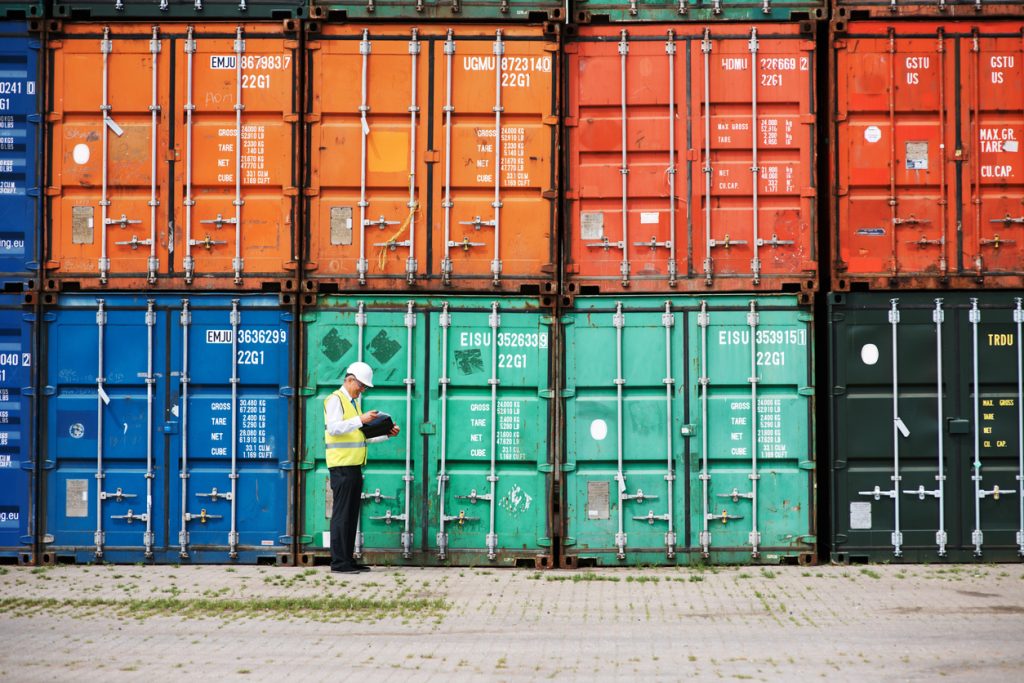
Moving imported cargo through a Nigerian port is rarely as simple as paying customs duty and sending a truck for collection. Between terminal procedures, documentation, inspections, shipping-line requirements, customs clearance, and final delivery, one missing document or delayed payment can keep cargo at the port longer than expected.
For businesses and individuals searching for port terminal handling and customs Nigeria services, the real priority is usually straightforward: clear the shipment correctly, control avoidable charges, and move the goods out of the terminal as quickly as possible.
Travo.ng helps coordinate cargo logistics, transport arrangements, and delivery after clearance, giving customers a more practical way to manage the movement of goods from Nigerian ports to their final destinations.
What Actually Happens After Your Cargo Arrives at the Port
When a container or shipment arrives at ports such as Apapa or Tin Can Island in Lagos, there are several steps before the cargo can leave the terminal.
Depending on the shipment, the process may involve:
- confirming shipping and import documentation
- customs declaration and assessment
- payment of applicable duties and charges
- terminal handling procedures
- physical examination or scanning where required
- shipping-line release
- terminal release
- arranging a suitable truck for evacuation
- transporting the cargo to a warehouse, shop, factory, or another city
This is why importers should start preparing before the vessel arrives. Waiting until cargo is already discharged before correcting documentation can lead to storage charges, demurrage, and unnecessary delays.
Why Port Charges Can Increase Faster Than Expected
One of the biggest mistakes importers make is focusing only on customs duty.
Actual clearance costs can include customs-related payments, terminal charges, shipping-line fees, documentation expenses, examination costs, and transport.
If a container remains at the terminal beyond the applicable free period, additional storage charges may begin to accumulate. Shipping-line demurrage may also apply depending on the container and agreed terms.
For example, an importer bringing commercial goods into Lagos may have completed customs assessment but still lose several days because the original shipping documentation is incomplete or a truck has not been arranged.
Those extra days can turn a manageable logistics budget into a much more expensive clearance.
Customs Documentation Should Be Checked Before Arrival
Efficient port terminal handling and customs Nigeria operations depend heavily on documentation.
The exact requirements depend on the cargo, but importers commonly need documents such as the bill of lading, commercial invoice, packing list, relevant import documentation, and permits for regulated goods.
Descriptions, quantities, values, and HS classifications should be checked carefully.
A discrepancy between the declared cargo and what customs officers find during examination can delay release and potentially create additional compliance issues.
Businesses importing machinery, spare parts, consumer goods, building materials, or production equipment should therefore have their paperwork reviewed early rather than treating documentation as something to fix after arrival.
Getting the Cargo Out of Lagos Is Another Logistics Job
Customs release does not mean the job is finished.
Once cargo leaves Apapa or Tin Can, transport planning becomes important. Lagos port traffic can affect truck turnaround times, and the correct vehicle must be available when the terminal is ready to release the shipment.
A container going from Apapa to a warehouse in Ikeja requires different planning from cargo moving to Abuja, Ibadan, Benin City, Kano, or Port Harcourt.
For interstate cargo, businesses should consider:
- truck capacity and cargo weight
- destination accessibility
- loading and offloading arrangements
- travel time
- security requirements
- driver coordination
- delivery confirmation
Travo.ng can support cargo transport and delivery coordination, helping customers arrange movement from the port to warehouses, business locations, or interstate destinations.
Avoid Booking a Truck Too Early or Too Late
Truck timing matters.
Booking too early can leave a vehicle waiting while clearance is still incomplete. Booking too late can mean cargo is ready but there is no suitable vehicle available for evacuation.
A better approach is to coordinate transport around the expected terminal release.
For commercial importers handling several containers, this becomes even more important because truck scheduling, warehouse receiving capacity, and offloading teams all need to work together.
Travo.ng’s business logistics support can help coordinate these movements, particularly where cargo needs to be distributed beyond Lagos after leaving the port.
Make Port Clearance Part of the Full Delivery Plan
Successful import logistics should be planned from port arrival to final delivery, not treated as separate disconnected activities.
Before cargo arrives, confirm the documents. During clearance, track terminal and customs requirements. Before release, arrange transport. At the destination, make sure there is someone ready to receive and unload the goods.
For businesses managing port terminal handling and customs Nigeria, having one coordinated logistics plan reduces unnecessary waiting, communication gaps, and avoidable transport problems.
Travo.ng can assist with cargo logistics, transport coordination, interstate delivery, vehicle arrangements, and business logistics support, helping customers move shipments from Nigerian ports to their final destinations with fewer operational complications.
