


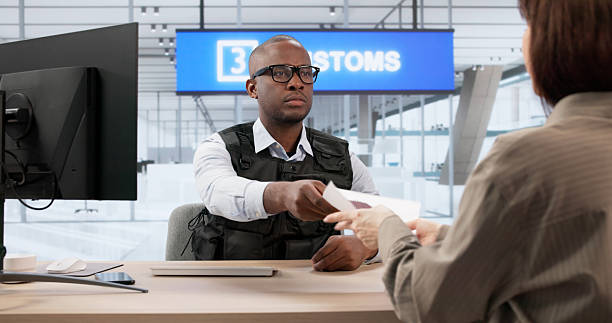
Physical examination by Customs in Nigeria is a cargo inspection process where officers of the Nigeria Customs Service (NCS) physically open and inspect imported goods to verify that the shipment matches the information declared by the importer. This process commonly takes place at Apapa Port, Tin Can Island Port, Lekki Deep Sea Port, airports, and bonded terminals across Nigeria.
Physical examination is one of the most important stages of customs clearance because cargo cannot be released until Customs completes its verification and approves the shipment for exit.
What Is Physical Examination?
Physical examination occurs when Customs officers:
- Open the container or cargo
- Inspect the contents manually
- Compare the goods with shipping documents
- Verify quantity, description, value, and compliance
- Confirm that duties and taxes were correctly assessed
If the inspection findings match the declaration, Customs proceeds with cargo release.
Why Customs Orders Physical Examination
1. Risk-Based Selection
Nigeria Customs uses a risk management system that may route shipments for:
- Scanning
- Documentary checks
- Physical examination
Higher-risk cargo is more likely to be physically inspected.
2. Document Discrepancies
Customs may order physical examination when there are:
- Invoice inconsistencies
- Incorrect HS codes
- Declaration mismatches
- Value disputes
3. Sensitive or Regulated Goods
Cargo involving regulated products may require closer inspection, particularly where agencies such as SON, NAFDAC, or other regulators are involved.
Physical Examination Process in Nigeria
Step 1: Examination Booking
After duty payment and declaration processing, Customs schedules an examination date.
Step 2: Container Positioning
The terminal operator moves the container to the examination bay.
Step 3: Container Opening
Customs officers open the container and inspect the cargo physically.
Step 4: Verification
Officers compare:
- Cargo quantity
- Product descriptions
- Packaging
- Documentation
with the submitted declaration.
Step 5: Release or Query
After inspection:
- Cargo may be released immediately
- Additional duty may be assessed
- Queries may be raised if discrepancies are found
Common Causes of Delay During Physical Examination
Port Congestion
- Large examination backlogs
- Limited inspection space
Documentation Errors
- Incorrect declarations
- Missing paperwork
Multi-Agency Inspection
- SON
- NAFDAC
- Quarantine services
High Cargo Volume
- Numerous containers awaiting examination
Costs Associated with Physical Examination
Physical examination itself is part of the customs clearance process, but delays can result in:
- Demurrage charges
- Terminal storage charges
- Container detention fees
- Additional logistics costs
These expenses often become more significant than the examination itself.
How to Reduce Physical Examination Delays
1. Submit Accurate Documents
Ensure:
- Correct invoice values
- Proper HS classification
- Accurate cargo descriptions
2. Process Form M and PAAR Early
Import documentation should be completed before cargo arrival.
3. Use Experienced Clearing Agents
Professional customs agents help coordinate inspections and resolve issues quickly.
4. Respond Quickly to Customs Queries
Prompt responses help prevent unnecessary storage and demurrage charges.
5. Plan Cargo Evacuation Early
Arrange trucking and logistics before release to avoid additional terminal costs.
Physical Examination vs Scanning
| Inspection Method | Process | Speed |
|---|---|---|
| Physical Examination | Container opened and manually inspected | Slower |
| Scanning | X-ray inspection without opening container | Faster |
Nigeria Customs uses both methods depending on risk assessment and cargo type.
Final Thoughts
Physical examination by Customs in Nigeria is a standard cargo verification procedure used to confirm compliance with import regulations. While it can delay cargo release, most examination-related delays can be minimized through proper documentation, early preparation, and effective coordination with Customs and terminal operators.
Businesses that maintain accurate declarations and strong logistics planning are generally able to complete examinations faster and reduce the risk of demurrage, storage charges, and clearance delays.
Travo (Travo.ng) supports businesses through logistics coordination, customs clearance guidance, and cargo movement planning, helping importers improve efficiency and reduce avoidable delays throughout the Nigerian port clearance process.
