


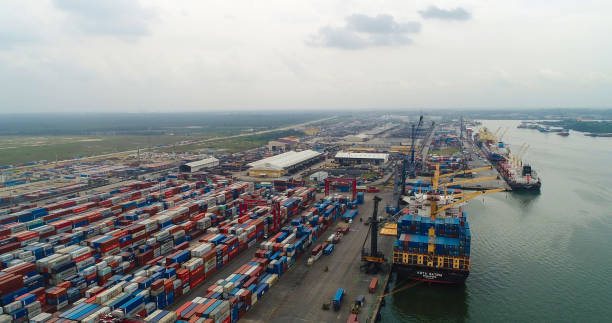
If you import goods through Apapa Wharf, Tin Can Island, or Murtala Muhammed Airport cargo terminal, one of the most frustrating issues you can face is a PAAR rejection in Nigeria.
It usually happens when everything seems correct on your side—invoice ready, shipment arrived, documents submitted—but the Pre-Arrival Assessment Report is not accepted by customs. Instead of moving forward to duty assessment, the process is sent back for correction or completely rejected.
In simple terms, PAAR rejection means customs has refused to validate the import documentation needed to proceed with clearance.
What PAAR Means in Nigerian Import Processing
PAAR (Pre-Arrival Assessment Report) is part of the import clearance system used by:
Nigeria Customs Service
It contains key shipment details such as:
- Importer and consignee information
- HS code classification
- Customs valuation of goods
- Estimated duties and taxes
- Invoice and shipping document details
Without an approved PAAR, cargo cannot move to final assessment or release.
What PAAR Rejection Actually Means
A PAAR rejection happens when customs or the processing system refuses to approve the submitted information due to inconsistencies or errors.
It may involve:
- Incorrect or missing documentation
- HS code classification issues
- Mismatch between invoice and shipping documents
- Undervaluation concerns
- Data errors in submission system
Once rejected, the PAAR must be corrected and resubmitted before clearance continues.
What Causes PAAR Rejection in Nigeria
PAAR rejection is common because import documentation must be highly accurate and consistent.
1. Document Mismatch
Differences between invoice, packing list, and bill of lading often trigger rejection.
2. Incorrect HS Code
Wrong or unclear tariff classification leads to validation failure.
3. Value Discrepancies
Declared values that don’t match customs expectations or benchmarks.
4. Missing Supporting Documents
Incomplete paperwork can cause automatic rejection.
5. Data Entry Errors
Small mistakes in importer or shipment details during submission.
What Happens When PAAR Is Rejected at the Port
At Apapa or Tin Can Island, PAAR rejection immediately halts clearance progress.
A typical sequence looks like:
- Cargo arrives at port or airport terminal
- PAAR is submitted for approval
- Customs identifies inconsistencies
- PAAR is rejected
- Shipment is returned for correction and resubmission
At this stage, cargo cannot proceed to duty assessment or payment.
For importers supplying Alaba International Market, Ladipo Auto Parts, Ikeja electronics hubs, or Abuja distribution channels, this can delay sales and inventory supply.
Why PAAR Rejection Is So Common in Nigeria
PAAR rejection happens frequently because multiple parties are involved in documentation.
Common causes include:
1. Supplier–Importer Documentation Gaps
Differences in product descriptions or quantities.
2. Weak Product Classification
Vague descriptions like “parts” or “accessories.”
3. Inconsistent Invoice Values
Differences between declared and expected customs value.
4. High Compliance Checks
Stricter enforcement increases rejection frequency.
5. System or Submission Errors
Technical issues during upload or processing.
The Real Impact of PAAR Rejection on Importers
PAAR rejection does not just delay paperwork—it disrupts the entire import operation.
Importers often experience:
- Cargo stuck before clearance begins
- Delayed duty assessment and payment
- Increased storage and demurrage charges at ports
- Disruption in supply chain and delivery timelines
- Cash flow pressure due to delayed inventory release
At congested ports like Apapa, delays quickly increase total landed cost.
Why PAAR Rejection Becomes Expensive Quickly
Even a short rejection cycle can become costly because:
- Storage charges accumulate daily at port terminals
- Shipping line detention fees may apply
- Clearance timelines are extended
- Business sales cycles are disrupted
So a documentation issue quickly turns into a financial burden.
Products Commonly Affected by PAAR Rejection
Some imports are more likely to face rejection due to complexity:
- Electronics and mobile devices
- Automotive spare parts
- Industrial machinery
- Medical and laboratory equipment
- Mixed commercial cargo
- High-value consumer goods
These require precise classification and documentation.
Where Importers Struggle Most After PAAR Rejection
Even after rejection, resolving issues can be slow due to:
- Need for document correction and resubmission
- Customs review backlog
- Communication gaps between importer and agent
- System processing delays
- Multiple verification steps
In Nigerian ports, turnaround time is often unpredictable.
How PAAR Rejection Affects Logistics Planning
PAAR rejection affects more than customs—it impacts the entire supply chain.
It can disrupt:
- Container release schedules
- Trucking and inland transport planning
- Warehouse stock management
- Retail distribution timelines
A single rejection can delay operations across multiple cities.
How Importers Try to Avoid PAAR Rejection
Experienced importers reduce risk by:
- Ensuring consistency across all documents
- Confirming HS codes before shipment
- Using accurate product descriptions
- Avoiding mismatched invoice data
- Working with experienced clearing professionals
These steps significantly reduce rejection risk.
How Travo.ng Helps After Clearance Disruptions
While PAAR rejection affects customs processing, logistics becomes important once clearance resumes.
This is where Travo.ng supports importers and businesses across Nigeria.
Travo.ng helps manage:
- Cargo pickup and delivery after customs clearance
- Airport import handling and coordination
- Parcel and freight delivery nationwide
- Interstate logistics for business cargo movement
- End-to-end transport support after release
So even when PAAR rejection delays clearance, Travo.ng ensures goods move quickly once approval is restored.
Why PAAR Rejection Will Continue in Nigeria
As customs systems become more digitized and enforcement becomes stricter, rejection cases will continue due to:
- Higher documentation standards
- Stronger valuation checks
- Increased compliance monitoring
- Greater data accuracy requirements
For importers, accuracy is now critical at every stage.
A More Practical Way Importers Now Operate
Modern importers now treat PAAR as a critical compliance stage, not a formality.
Instead of reacting after rejection, they:
- Align documentation before shipment
- Confirm product details early
- Ensure HS code accuracy
- Maintain consistent invoice records
This reduces clearance disruptions and improves predictability.
