


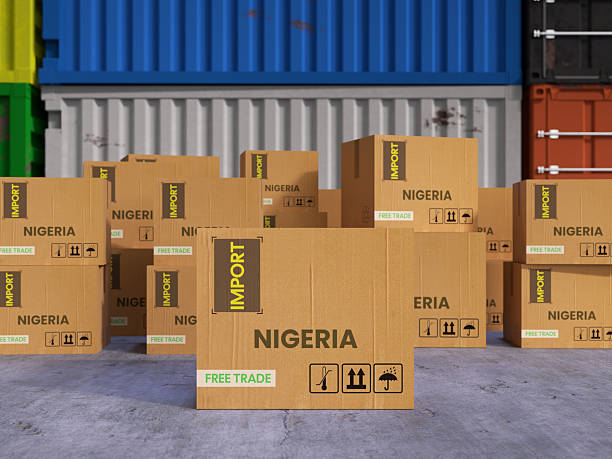
Importing goods into Nigeria is only one part of the process. The real challenge often starts when the shipment arrives and needs to move through customs, documentation checks, terminal procedures, and onward delivery.
For businesses bringing in equipment, spare parts, consumer goods, raw materials, or commercial cargo, reliable Nigeria commercial import clearance services can prevent avoidable delays and unexpected logistics problems.
Travo.ng helps businesses coordinate cargo movement, clearance support, transport, and delivery so imported goods can move from the port or cargo terminal to their final destination with fewer complications.
What Usually Happens When Commercial Cargo Arrives in Nigeria
Commercial shipments entering Nigeria may arrive through locations such as Apapa Port, Tin Can Island Port, Lagos airport cargo terminals, or other approved entry points.
Before the goods can leave the terminal, the importer normally needs the correct shipping and customs documentation. Depending on the shipment, this may include invoices, packing lists, shipping documents, permits, product certificates, and other import-related paperwork.
Problems often occur when information on one document does not match another.
A difference in quantity, product description, consignee details, or classification can slow down the clearance process. This is why experienced importers usually begin preparing documentation before the cargo reaches Nigeria rather than waiting until arrival.
How Long Commercial Import Clearance Can Take
There is no single clearance timeline that applies to every shipment.
A straightforward shipment with complete documentation may move much faster than cargo requiring additional inspection, regulatory approval, or document correction. Congestion at ports and terminals can also affect the final timeline.
For example, a Lagos business expecting imported machinery may need to coordinate several stages:
- Arrival and cargo documentation
- Customs processing
- Terminal procedures
- Cargo release
- Truck or vehicle scheduling
- Delivery from the terminal to the warehouse
Even when the clearance itself progresses normally, poor coordination between release and transportation can leave cargo waiting unnecessarily.
Travo.ng can support the logistics side of this process by arranging suitable cargo transportation and coordinating delivery after release.
Why Documentation Problems Become Expensive Quickly
Import clearance delays are not simply inconvenient.
Cargo remaining at a terminal longer than expected may attract additional storage, handling, transport, or operational costs. Businesses can also lose money when stock meant for customers or production remains unavailable.
One common mistake is planning only for the international shipping cost.
Importers should also consider local clearance expenses, terminal-related charges, transportation from the port, loading requirements, and the final delivery location.
A shipment going from Apapa to a warehouse in Ikeja, for instance, requires a different movement plan from heavy commercial cargo travelling from Lagos to Abuja or another state.
Moving Cleared Cargo Beyond the Port
Clearing the goods is not the end of the job.
Commercial cargo still needs to reach a warehouse, office, factory, retail location, construction site, or customer. The vehicle selected should match the cargo size, weight, handling requirements, and delivery route.
Lagos traffic also matters.
Cargo leaving Apapa during difficult traffic periods may experience significant delays before reaching destinations such as Lekki, Ikeja, Ogba, or the Lagos-Ibadan corridor.
For interstate shipments, transport coordination becomes even more important because vehicle availability, loading time, route conditions, and delivery schedules all affect the final arrival time.
Travo.ng can help arrange cargo logistics, transport coordination, business deliveries, and interstate movement after clearance.
Planning Import Clearance Before Your Shipment Lands
Businesses usually get better results when clearance and delivery arrangements start early.
Before the shipment arrives, confirm:
- What documents are required for the goods
- Whether any regulatory approvals apply
- The expected arrival terminal
- Who will coordinate the clearance process
- Where the cargo will be delivered after release
- What type of vehicle will be required
Early planning also gives the business time to correct documentation problems before they become expensive delays.
Get Commercial Import Logistics Support With Travo.ng
Using dependable Nigeria commercial import clearance services is particularly important when imported goods are tied to production schedules, customer orders, construction projects, or retail inventory.
Travo.ng helps businesses coordinate practical logistics around imported cargo, including cargo transportation, interstate delivery, vehicle arrangements, and business logistics support.
Instead of trying to arrange clearance-related logistics, transportation, and final delivery separately, businesses can use Travo.ng to coordinate the movement of their goods more efficiently.
Whether your shipment needs to move from a Lagos cargo terminal to a nearby warehouse or from the port to another Nigerian state, proper planning can reduce delays and make the entire import process easier to manage.
