


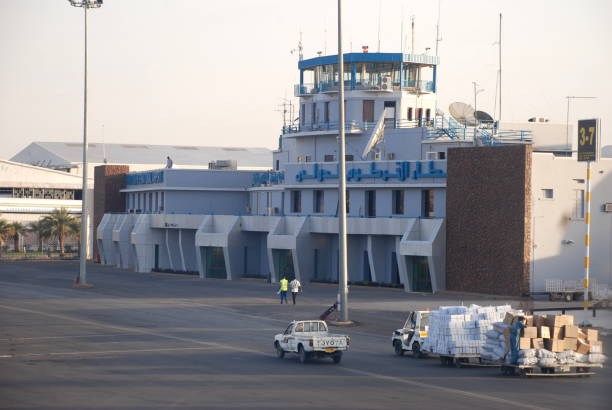
Clearing regulated cargo through Nigerian ports or airports is very different from handling ordinary shipments. If your consignment contains chemicals, batteries, compressed gases, industrial materials, flammable products, or other restricted cargo, dangerous goods customs clearance Nigeria procedures require careful documentation, correct classification, and proper logistics coordination.
A small documentation error can leave a shipment sitting at a terminal while storage and demurrage charges continue to increase. For importers and businesses, the safest approach is to understand the process before the cargo arrives and arrange the right support early.
Travo.ng helps businesses coordinate cargo logistics, customs-related documentation support, transportation, and final delivery so regulated shipments can move more smoothly.
Why Dangerous Cargo Needs More Preparation Before Arrival
Dangerous goods are handled under tighter controls because improper storage, transport, or documentation can create safety problems.
The first important step is identifying exactly what is being shipped. A vague description such as “industrial chemicals” is rarely enough for proper cargo processing.
Depending on the product, documentation may include:
- Commercial invoice
- Packing list
- Bill of lading or air waybill
- Safety Data Sheet
- Dangerous goods declaration
- Product classification details
- Import permits or regulatory approvals where required
Businesses importing chemicals into Lagos, equipment containing lithium batteries, or regulated industrial materials should ideally confirm documentation requirements before shipment.
Fixing missing paperwork after cargo reaches Apapa, Tin Can Island, or an airport cargo terminal can be considerably more stressful.
What Usually Delays Dangerous Goods Customs Clearance in Nigeria
One common problem is inconsistency between shipping documents.
For example, the product description on the invoice may differ from the description on the packing list or transport document. Customs classification may also raise questions if the HS code does not accurately reflect the goods.
Other frequent causes of delays include incorrect declarations, missing permits, incomplete safety documentation, and poor coordination between clearing and transport teams.
When regulated cargo is involved, simply completing customs clearance is not the end of the job. The shipment still needs suitable transportation from the port or airport to its destination.
Travo.ng can support this wider movement by coordinating cargo logistics and delivery arrangements instead of leaving businesses to manage several disconnected service providers.
Planning Cargo Movement From Lagos to Other Nigerian Cities
Many imported goods entering Lagos eventually need to move to warehouses, factories, construction sites, retailers, or distributors outside the city.
A company may clear industrial materials in Lagos and need onward transportation to Abuja, Ibadan, Benin City, Port Harcourt, or another commercial location.
That movement needs planning.
Vehicle type, cargo weight, handling requirements, route conditions, loading arrangements, and delivery timing can all affect the final transport cost.
For regulated goods, businesses should avoid choosing transport purely because it is the cheapest available option. Proper cargo handling and reliable coordination are more important when the shipment carries additional risks.
Customs Charges Are Only Part of the Real Cost
Importers sometimes focus only on customs duties when budgeting for clearance.
In reality, the total cost may also include terminal charges, shipping or airline handling fees, documentation expenses, storage, clearing charges, transport, and other regulatory costs connected to the particular product.
Delays can make these expenses rise quickly.
Preparing documents before arrival and coordinating clearance with onward transportation reduces unnecessary waiting between stages.
Arrange Dangerous Goods Cargo Support With Travo.ng
Businesses dealing with dangerous goods customs clearance Nigeria need more than someone who can collect paperwork from a terminal. They need coordinated support from cargo arrival through clearance and onward movement.
Travo.ng provides practical logistics support for businesses that need cargo coordination, delivery services, interstate transportation, and other movement solutions across Nigeria.
If you have regulated cargo arriving through a Nigerian seaport or airport, provide the shipment details, cargo description, origin, destination, and available documentation early.
With the right preparation, dangerous goods clearance becomes a controlled logistics process rather than an expensive last-minute problem.
