


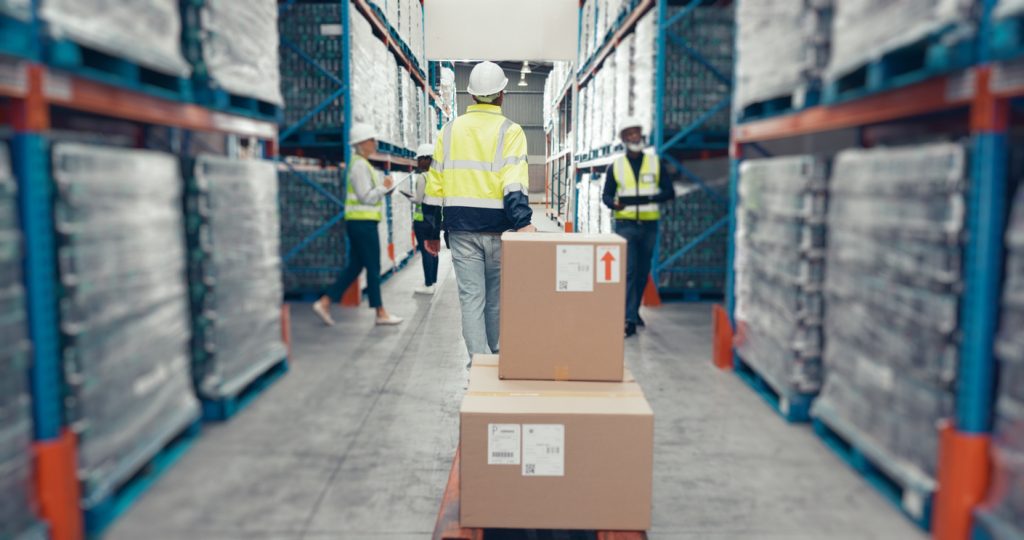
Importing goods into Nigeria can be straightforward when the paperwork, duty payment, port handling, and final delivery are properly coordinated. But when one part of the process goes wrong, cargo can sit at the port or airport longer than expected, attracting extra storage charges and frustrating the importer.
That is why many businesses and individuals work with customs clearance agents in Nigeria instead of trying to handle everything alone. A good agent understands the Nigerian Customs process, knows what documents are required, and can help move goods from entry point to final destination with fewer delays.
For customers bringing in commercial stock, personal effects, machinery, electronics, spare parts, or business supplies, Travo.ng helps coordinate the clearance and logistics support needed to get cargo moving properly.
What Customs Clearance Really Involves in Nigeria
Customs clearance is not just “paying duty.” It usually involves several moving parts, especially when goods arrive through busy entry points like Lagos ports, Murtala Muhammed International Airport, Tin Can Island, Apapa, Onne Port, or Kano airport.
A typical clearance process may include:
- Checking import documents
- Confirming HS codes and duty rates
- Processing Form M or PAAR where required
- Paying customs duty and other approved charges
- Handling inspection or examination
- Releasing cargo from the terminal
- Arranging delivery to the importer’s location
For a business owner in Lagos importing retail goods from China, the real concern is not only clearing the container. The bigger concern is how quickly the goods can leave the port, reach the warehouse, and become available for sale.
Why Delays Happen at Nigerian Ports and Airports
Many cargo delays in Nigeria come from small mistakes that could have been avoided earlier.
One common issue is incomplete documentation. If the invoice, packing list, bill of lading, airway bill, SONCAP, NAFDAC permit, or other required papers do not match, clearance may slow down.
Another issue is poor cargo classification. A wrong HS code can affect duty calculation and create unnecessary customs queries.
There are also practical delays caused by congestion around Apapa, terminal backlogs, public holidays, banking issues, and late payment of duties. During peak import periods, especially before Christmas or major sales seasons, cargo movement can become slower.
This is where experienced customs clearance agents in Nigeria add real value. They know how to check the process early, identify possible issues, and coordinate with the right parties before delays become expensive.
What It May Cost to Clear Goods in Nigeria
Clearance cost depends on the type of goods, value, volume, weight, port of entry, duty rate, terminal charges, and delivery location.
For example, clearing a small air cargo shipment at Lagos airport will not cost the same as clearing a 20ft or 40ft container at Apapa or Tin Can. A few cartons of fashion items may involve lower logistics handling than machinery, electronics, vehicle parts, or regulated products.
Importers should also budget for:
- Customs duty
- Terminal or handling charges
- Agency fees
- Examination costs where applicable
- Trucking or delivery from the port
- Storage charges if cargo is delayed
A reliable agent should explain likely costs clearly before the process starts. Travo.ng helps customers avoid blind estimates by coordinating clearance and onward logistics based on cargo type, route, and destination.
Choosing the Right Customs Clearance Agent
The cheapest agent is not always the best option. A poor clearance job can lead to demurrage, wrong duty payments, cargo seizure, or long delays.
Before choosing an agent, ask practical questions:
- Have they handled similar goods before?
- Do they understand the required documents?
- Can they explain the likely timeline?
- Do they also arrange delivery after clearance?
- Are their charges clear from the beginning?
For many businesses, the best arrangement is to work with a provider that can handle both clearance coordination and inland delivery. That way, the goods do not get released from the port and then become another problem to move.
Moving Cargo After Clearance
Clearing the goods is only half of the job. After release, cargo still needs to move safely to a shop, warehouse, office, home, or another state.
A business in Alaba, Ikeja, Lekki, Abuja, Port Harcourt, Onitsha, or Kano may need same-day or scheduled delivery after clearance. Some customers need a truck, while others only need courier or cargo movement for smaller shipments.
Travo.ng supports customers with delivery services, cargo logistics, transport coordination, courier services, and business logistics support, depending on the size and urgency of the shipment.
This is especially useful for SMEs that import regularly but do not have a full in-house logistics team.
Common Mistakes Importers Should Avoid
Many importers lose money because they wait until cargo arrives before asking clearance questions.
Before shipping goods to Nigeria, confirm whether the item needs special approval. Products such as food items, cosmetics, drugs, chemicals, electronics, and some equipment may require extra documentation.
Also avoid undervaluing goods or using unclear product descriptions. These can trigger customs queries and delay release.
If you are not sure about the process, speak with a logistics provider early. It is easier to prevent clearance problems than to fix them after the cargo has already landed.
How Travo.ng Helps With Customs Clearance and Logistics
Travo.ng connects customers with practical support for customs clearance, cargo logistics, delivery, and transport movement across Nigeria.
Whether you are importing goods through Lagos airport, clearing cargo from the port, sending released goods to Abuja, or arranging business deliveries within Nigeria, Travo.ng helps simplify the process from documentation guidance to final movement.
For importers, the goal is simple: clear goods properly, reduce avoidable delays, and move cargo to where it needs to be without unnecessary stress.
When you need customs clearance agents in Nigeria who understand local logistics realities, Travo.ng provides a convenient way to plan, coordinate, and move your shipment with confidence.
