


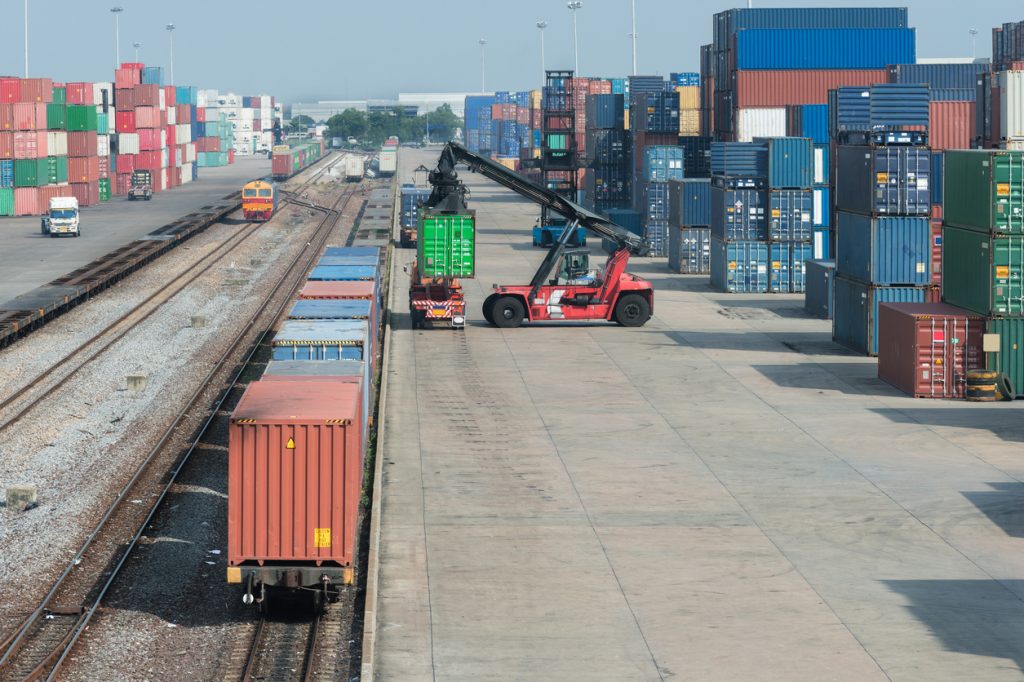
Moving commercial goods into or across Nigeria involves much more than arranging a truck and waiting for delivery. Cargo may need to be received, documented, inspected, cleared, transferred from a terminal and transported to its final destination.
For businesses searching for cargo handling and customs Nigeria services, the real challenge is usually coordination. A shipment can arrive on time and still face delays because paperwork is incomplete, cargo information does not match documentation, or transport has not been arranged before clearance.
Travo.ng helps businesses and individuals coordinate cargo logistics, transport and delivery so shipments can move through each stage with fewer avoidable complications.
What Happens After Your Cargo Arrives in Nigeria
Imported cargo entering through locations such as Lagos normally passes through several operational stages before it reaches a warehouse, shop or customer.
Depending on the shipment, this can involve:
- Receiving and terminal handling
- Document verification
- Customs processing and inspection
- Cargo release coordination
- Loading onto a suitable vehicle
- Interstate or local transportation
- Final delivery to a warehouse or business address
Problems often start when these activities are handled separately without proper communication.
For example, a Lagos importer expecting goods for customers in Abuja may complete customs processing but discover that no suitable vehicle has been scheduled for evacuation. Every additional delay can affect storage costs, customer commitments and inventory planning.
Coordinating cargo movement early makes the process much smoother.
Documents Should Be Checked Before the Shipment Arrives
One of the most common causes of customs delays is documentation.
Businesses should confirm that shipment descriptions, quantities, consignee information and supporting commercial documents are accurate before cargo reaches the point of clearance.
Depending on the type of shipment, relevant documents may include commercial invoices, packing lists, shipping documents and regulatory paperwork.
Incorrect descriptions or inconsistencies between documents can create unnecessary questions during clearance.
Businesses importing regularly should also maintain organised records for each shipment instead of trying to reconstruct documentation when cargo has already arrived.
Customs Clearance Is Only Part of the Logistics Job
Many first-time importers focus entirely on getting goods cleared.
The next question is equally important: What happens immediately after release?
Cargo may need a pickup vehicle, loading arrangements, warehouse delivery or interstate transportation.
A company receiving cartons of merchandise in Lagos, for instance, may need part of the shipment delivered within Lagos while the remaining goods move to Abuja, Port Harcourt or another distribution point.
Travo.ng can support the transport side of this process through cargo logistics and delivery coordination, helping businesses organise onward movement after cargo becomes available.
Plan for Port Traffic and Delivery Timing
Lagos cargo movement can be affected by traffic around major commercial and port corridors.
A delivery that looks straightforward on a map may take considerably longer when truck movement, loading time, terminal procedures and peak traffic are considered.
Businesses should avoid promising customers unrealistic arrival times until cargo has actually been released and transportation is confirmed.
For urgent shipments, provide the logistics team with the destination, cargo size, estimated weight and required delivery date as early as possible. That makes it easier to determine what type of vehicle and movement plan will be required.
Costs Depend on More Than the Distance
There is no single price for cargo handling and transportation in Nigeria.
The final cost can depend on cargo size, weight, shipment type, handling requirements, pickup location, destination, vehicle needed and any storage or terminal-related expenses.
An interstate commercial shipment from Lagos to Abuja will naturally be planned differently from several cartons being moved from a Lagos cargo facility to a warehouse in Ikeja.
Providing accurate shipment information before requesting a quote reduces pricing surprises later.
Common Mistakes That Delay Cargo Movement
Some avoidable problems occur repeatedly.
Importers may provide incomplete cargo descriptions, arrange transportation too late, underestimate shipment weight or fail to confirm the final delivery location.
Another mistake is assuming that cargo will leave immediately after clearance.
Before release, confirm who is responsible for collection, what vehicle is required, where the shipment is going and who will receive it.
This is particularly important for businesses working with tight inventory schedules.
Coordinate Your Cargo Movement With Travo.ng
Managing cargo handling and customs Nigeria requirements becomes easier when the different stages of the journey are properly coordinated.
Travo.ng provides practical support for cargo logistics, transport coordination, courier delivery and business logistics across Nigeria.
Whether you are moving imported goods from Lagos to another state, transporting commercial cargo to a warehouse or organising deliveries after clearance, you can arrange the relevant logistics support through Travo.ng.
Good cargo management is not simply about getting goods released. It is about ensuring the shipment keeps moving until it reaches the right destination safely and efficiently.
