


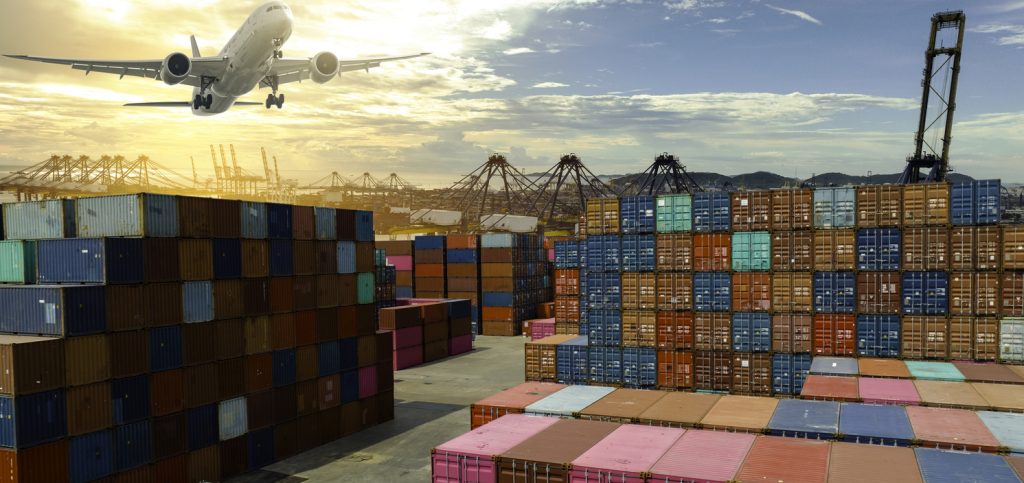
Air cargo is one of the fastest ways to move goods into Nigeria, but the shipment does not become useful simply because it has landed at the airport. The real challenge often begins with documentation, customs procedures, terminal handling, duty assessment, and final delivery.
For businesses and individuals importing urgent goods, reliable air cargo clearing Nigeria services can make the difference between receiving a shipment on time and watching storage charges increase by the day.
Travo.ng helps customers coordinate cargo clearing and onward logistics, making it easier to move shipments from the airport to their final destination.
What Happens After Your Air Cargo Arrives in Nigeria
Most international air cargo entering Nigeria comes through major airports such as Murtala Muhammed International Airport in Lagos or Nnamdi Azikiwe International Airport in Abuja.
Once the shipment arrives, it may need to go through several stages before it can leave the cargo terminal.
These can include:
- Shipment documentation checks
- Customs declaration and assessment
- Payment of applicable duties and charges
- Cargo inspection where required
- Airline or terminal release
- Cargo pickup and final delivery
The exact process depends heavily on what you imported, its declared value, the shipment classification, and whether additional permits are required.
A carton of fashion accessories will not necessarily follow the same clearance requirements as medical equipment, industrial machinery, electronics, or commercial food products.
Documents You Should Prepare Before the Cargo Lands
Many clearing delays start before the aircraft even arrives.
Importers sometimes wait until their goods are already sitting at the airport before looking for invoices, airway bills, permits, or supporting documentation.
For smoother air cargo clearing in Nigeria, you may need documents such as:
- Air Waybill
- Commercial invoice
- Packing list
- Import documentation where applicable
- Product permits or certificates for regulated items
- Identification and business documentation
- Evidence supporting the declared shipment value
The required paperwork varies by shipment, so confirming what is needed before departure can save several days of unnecessary delay.
Why Delays Can Quickly Become Expensive
Airport cargo terminals are designed for movement, not long-term storage.
When goods remain uncleared beyond the permitted handling period, additional storage and terminal charges may begin accumulating.
This is particularly painful for businesses importing items for a specific deadline.
For example, imagine a Lagos retailer flying in stock ahead of a major sales campaign. A documentation problem that delays clearance by several days could create three problems at once: extra storage charges, missed sales opportunities, and delayed deliveries to customers.
That is why businesses should plan the clearing process at the same time they arrange the international shipment.
How Long Air Cargo Clearing Can Take
There is no responsible way to promise the same clearance time for every shipment.
Straightforward cargo with complete documentation can move relatively quickly, while shipments requiring additional inspection, valuation checks, permits, or documentation corrections can take longer.
The shipment itself also matters.
High-value electronics, industrial equipment, commercial quantities of goods, controlled products, and specialised cargo may require additional attention.
Providing accurate shipment information early allows a logistics provider to identify possible clearance issues before they become expensive airport delays.
Clearing the Cargo Is Only Half the Job
Many customers focus completely on customs clearance and forget about what happens immediately afterwards.
Once your shipment is released, someone still has to move it.
A business importing goods through Lagos may need the cargo transported to Ikeja, Lekki, Victoria Island, Ibadan, Benin, Abuja, or another destination.
This is where combining cargo clearance with transport coordination becomes practical.
Through Travo.ng, customers can arrange relevant cargo logistics and delivery support instead of searching separately for a clearing solution and then another transporter after the goods have been released.
Common Mistakes Nigerian Importers Should Avoid
One of the biggest mistakes is shipping first and asking clearance questions later.
Importers should confirm documentation requirements, product restrictions, expected charges, and delivery arrangements before cargo leaves the country of origin.
Another common problem is inaccurate shipment descriptions. Describing cargo too vaguely can create problems during assessment or inspection.
You should also avoid planning around unrealistically tight deadlines. If goods are needed for an event, customer order, production schedule, or business launch, build some clearance time into your planning.
Arrange Air Cargo Clearing and Delivery With Travo.ng
Good air cargo clearing Nigeria support is not simply about getting a package through the airport. It is about coordinating documentation, clearance, collection, and onward movement without unnecessary disruption.
Travo.ng can support customers who need cargo logistics, delivery coordination, transport arrangements, and related business logistics services across Nigeria.
If you have an incoming air shipment, having the shipment details, Air Waybill, invoice, cargo description, arrival airport, and final delivery location ready will make it easier to assess the next steps and arrange the appropriate service.
Instead of waiting until your cargo begins attracting avoidable delays and charges, you can plan the clearing and delivery process before it lands.
