


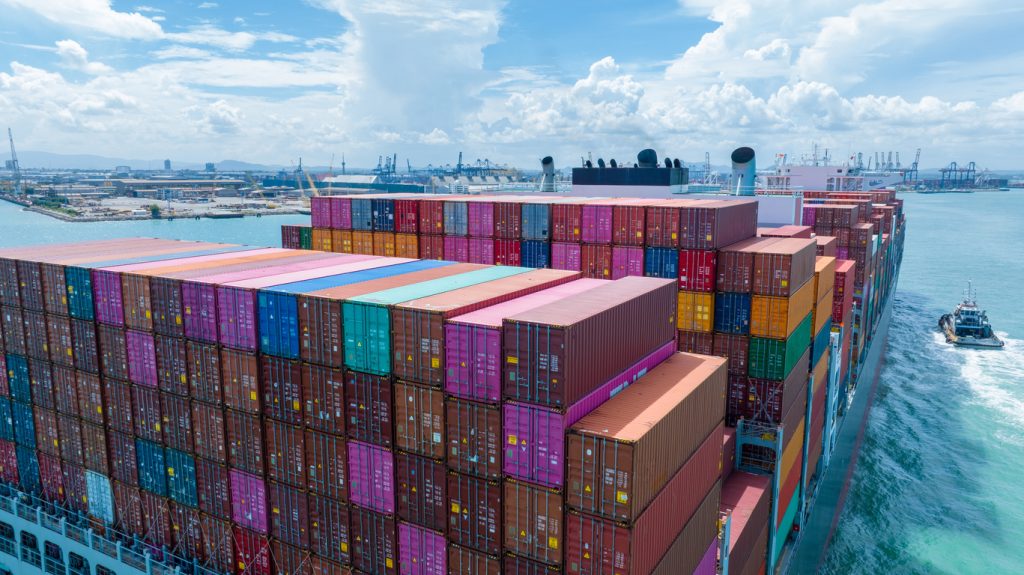
For many vessel investors, the biggest surprise after acquiring a ship is not the purchase cost—it is the ongoing responsibility of running it. A vessel is a high-value asset that demands constant attention: maintenance, crew coordination, compliance, fuel management, chartering, and financial tracking.
This is where third party ship management companies come in. Instead of the investor handling day-to-day operations, a specialized firm manages the vessel professionally while the owner focuses on returns and strategic decisions.
For investors operating in West Africa, offshore routes, or international charter markets, this model has become increasingly common due to rising operational complexity and cost pressures.
What a third party ship management company actually does
A third party ship management company takes over the operational control of a vessel on behalf of the owner or investor.
Their responsibility typically includes:
- Technical maintenance and engineering oversight
- Crew recruitment and onboard management
- Commercial operations and charter handling
- Regulatory compliance and certifications
- Fuel optimization and voyage performance tracking
- Financial reporting and cost control
- Port and logistics coordination
In simple terms, they turn vessel ownership into a structured, professionally managed business.
Why vessel investors outsource ship management
Most investors are not maritime operators—they are capital providers. The gap between ownership and operations is where losses often occur.
Common reasons investors outsource management include:
- Lack of technical maritime expertise
- Difficulty managing crew and operational staff
- High cost of unexpected breakdowns
- Complex international compliance requirements
- Inconsistent vessel utilization and earnings
- Limited time to supervise daily operations
Outsourcing allows investors to focus on profitability instead of operational firefighting.
Core services offered by third party ship management companies
1. Technical management and vessel maintenance
This is one of the most critical functions.
It includes:
- Engine and machinery maintenance
- Hull inspections and repairs
- Electrical and navigation system monitoring
- Preventive maintenance scheduling
- Dry-docking coordination and supervision
The goal is to keep the vessel seaworthy and reduce breakdown risk.
2. Crew management and marine staffing
Crew performance directly affects vessel efficiency.
Management companies handle:
- Recruitment of certified seafarers
- Crew rotation and scheduling
- Payroll and welfare administration
- Training and certification tracking
- Compliance with maritime labor regulations
A well-managed crew improves safety, efficiency, and operational consistency.
3. Commercial management and charter operations
This is where revenue is generated.
Services include:
- Securing cargo or charter contracts
- Negotiating freight rates
- Managing vessel schedules and availability
- Coordinating loading and discharge operations
- Ensuring optimal vessel utilization
Without strong commercial management, vessels often operate below capacity.
4. Financial management and reporting
Investors need transparency.
Ship management firms provide:
- Voyage income and expense reports
- Fuel consumption analysis
- Maintenance cost tracking
- Profitability reporting per voyage
- Budget forecasting and cost planning
This allows investors to evaluate vessel performance clearly.
5. Regulatory compliance and risk management
Maritime operations involve strict international regulations.
Management companies ensure:
- Flag state compliance
- Port state inspection readiness
- Safety certifications and audits
- Environmental compliance (MARPOL standards)
- Insurance and liability coordination
Non-compliance can result in detention, fines, or operational suspension.
6. Procurement and logistics coordination
Ships require continuous supply of:
- Spare parts
- Fuel and lubricants
- Safety equipment
- Technical consumables
Management companies coordinate sourcing and delivery to avoid operational delays.
Why third party ship management is growing in Nigeria and West Africa
In regions like Lagos, Port Harcourt, and offshore West African waters, vessel operations face:
- Port congestion and delays
- Complex customs and clearance procedures
- Fuel supply fluctuations
- Security considerations in certain maritime corridors
- Regulatory compliance requirements
These challenges make professional management not just convenient—but often necessary for profitability.
The financial logic behind outsourcing vessel management
For investors, the key question is simple: does outsourcing increase or reduce profit?
In most cases, it improves returns because:
- Downtime is reduced through preventive maintenance
- Fuel efficiency is optimized
- Charter opportunities are better managed
- Emergency repair costs are minimized
- Vessel lifespan is extended
A poorly managed vessel loses money silently through inefficiency, not just visible expenses.
Risks of poor or unprofessional ship management
Choosing the wrong management partner can create serious problems:
- Lack of transparency in reporting
- Inflated maintenance or procurement costs
- Poor crew management and safety risks
- Missed charter opportunities
- Compliance failures leading to penalties
- Unplanned vessel downtime
This is why due diligence is essential before outsourcing.
What investors should look for in a ship management company
A reliable third party ship management partner should have:
- Proven maritime operational experience
- Strong engineering and technical capability
- Transparent financial reporting systems
- Reliable crew management structure
- Strong compliance and regulatory knowledge
- Established logistics and port networks
- Ability to optimize vessel utilization commercially
Trust and transparency are more important than size alone.
How logistics coordination supports vessel performance
Even well-managed vessels depend on smooth logistics operations.
Key coordination areas include:
- Cargo scheduling and consolidation
- Port loading and discharge timing
- Freight forwarding alignment
- Customs clearance processes
- Onshore delivery and distribution
Delays in logistics can reduce vessel earning time even if the ship itself is fully operational.
How Travo.ng supports maritime-linked logistics operations
While third party ship management focuses on vessel operations, logistics coordination ensures cargo moves efficiently between ports and final destinations.
Travo.ng supports businesses involved in maritime and cargo movement through:
- Cargo consolidation services
- Freight coordination for imports and exports
- Port-to-destination delivery support
- Supply chain planning and execution
- End-to-end logistics coordination across Nigeria
This helps reduce delays that affect vessel schedules and cargo turnaround efficiency.
Final thoughts
Third party ship management companies play a critical role in modern maritime investment. For vessel investors, outsourcing operations is often the difference between an asset that performs efficiently and one that drains value over time.
By combining technical expertise, commercial management, and regulatory compliance, these companies allow investors to focus on returns while professionals handle day-to-day operations.
In today’s shipping environment—especially in complex regions like West Africa—structured vessel management is not just an advantage; it is a necessity for sustainable profitability.
