


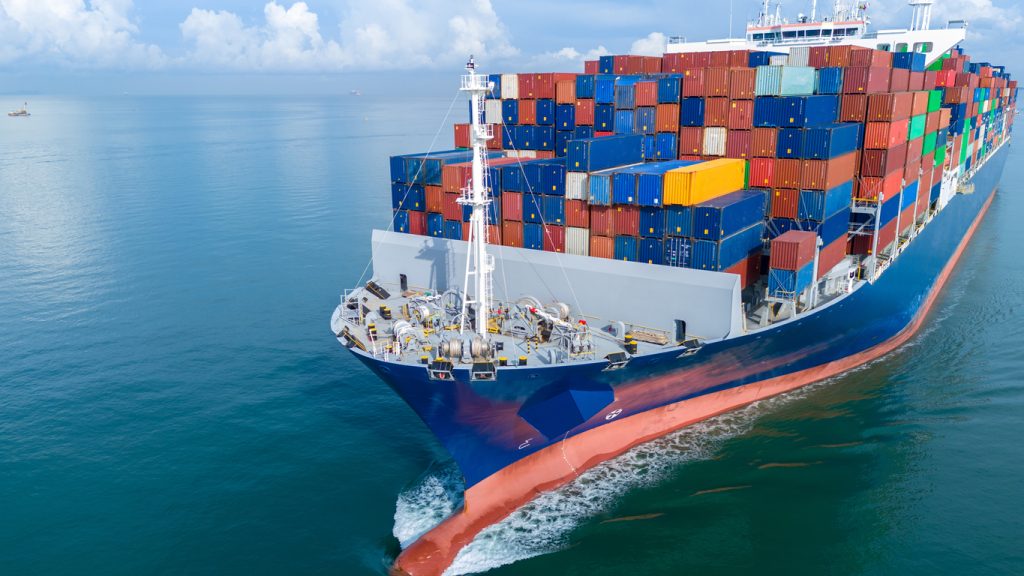
Odor contamination in containers in Nigeria refers to a situation where a shipping container develops or retains strong smells that transfer to cargo stored inside it. These odors can damage goods, especially sensitive products like food, textiles, pharmaceuticals, and cosmetics.
In simple terms, it means a container smells bad or chemically strong, and that smell affects the goods inside.
Types of Odor Contamination in Containers
1. Chemical Odor Contamination
Caused by previous cargo such as:
- Fuel or petroleum products
- Industrial chemicals
- Paints and solvents
- Cleaning agents
These odors are often strong and long-lasting.
2. Food Odor Contamination
Occurs when containers previously carried:
- Fish or seafood
- Spices
- Agricultural produce
Smells can transfer easily to other goods.
3. Moisture-Related Odor
Caused by:
- Mold growth
- Damp container floors
- Condensation (“container sweat”)
This produces a musty smell.
4. Rubber or Material Odor
From:
- Tires
- Synthetic materials
- Plastic products
These odors can affect packaged goods.
Common Causes of Odor Contamination in Nigeria
1. Poor Container Cleaning
Containers reused without proper deodorization may retain:
- Chemical residues
- Organic waste
- Strong industrial smells
2. Improper Cargo Segregation
Mixing incompatible cargo types increases odor transfer risk.
3. Port and Storage Exposure
Containers left in:
- Hot environments
- Humid conditions
- Open yards
can develop strong smells over time.
4. Previous Cargo Residue
Odors from past shipments remain in container walls and floors.
5. Water and Moisture Entry
Leads to:
- Mold formation
- Stale smell buildup
High-Risk Cargo for Odor Contamination
- Food and beverages
- Pharmaceuticals
- Cosmetics
- Textiles and clothing
- Paper products
- Sensitive electronics packaging
Effects of Odor Contamination on Cargo
1. Product Quality Reduction
Goods may still be physically intact but unacceptable for sale.
2. Market Rejection
Customers or regulators may reject goods due to smell.
3. Financial Loss
Importers may face:
- Full shipment rejection
- Discounted resale value
- Disposal costs
4. Reputation Damage
Brands lose trust when products carry unpleasant smells.
5. Insurance Complications
Odor damage claims often require strong proof of cause.
How Odor Contamination Is Detected
1. Smell Inspection
Strong or unusual odors inside containers or packaging.
2. Packaging Absorption Check
Goods may absorb smells even if packaging is intact.
3. Visual Inspection
Signs like:
- Moisture stains
- Mold patches
- Rust inside container
4. Sampling and Testing
Used for sensitive goods like food and pharmaceuticals.
What to Do When Odor Contamination Occurs
1. Stop Unloading (If Detected Early)
Prevent full exposure of goods.
2. Document Evidence
Take:
- Photos
- Videos
- Container condition reports
3. Notify Stakeholders
Inform:
- Shipping line
- Freight forwarder
- Insurance provider
4. Conduct Cargo Survey
A surveyor determines:
- Source of odor
- Level of contamination
- Cargo salvage potential
5. File Insurance Claim
Submit:
- Bill of lading
- Inspection report
- Survey findings
- Shipping documents
Prevention of Odor Contamination in Containers
1. Proper Container Cleaning and Deodorization
Ensure containers are:
- Washed
- Dried
- Ventilated before use
2. Use Food-Grade Containers
Especially for sensitive cargo.
3. Avoid Mixing Cargo Types
Do not combine:
- Chemicals with food
- Smelly goods with neutral goods
4. Use Odor Barriers and Liners
Protective packaging reduces absorption.
5. Use Desiccants and Dehumidifiers
Helps reduce moisture and odor formation.
6. Pre-Loading Inspection
Always check container smell before loading.
Insurance Coverage for Odor Contamination
Cargo insurance may cover:
- Contamination during transit
- Odor damage affecting usability
- Moisture-related spoilage
Coverage depends on:
- Policy terms
- Evidence of cause
- Cargo type
How Travo.ng Supports Businesses After Clearance
While odor contamination mainly occurs during shipping and storage, proper inland logistics also helps protect cargo quality after clearance.
This is where Travo.ng supports businesses across Nigeria.
Travo.ng provides:
- Cargo pickup from ports and airports
- Nationwide transportation services
- Interstate logistics coordination
- Commercial cargo delivery
- Distribution support for businesses
- Last-mile delivery solutions
Careful handling reduces further exposure risks during delivery.
Final Insight
Odor contamination in containers in Nigeria is a serious logistics issue caused by poor container cleaning, moisture, and previous cargo residue. Even without physical damage, odors can make goods unsellable. Prevention depends on proper container inspection, cleaning, segregation, and protective packaging.
