


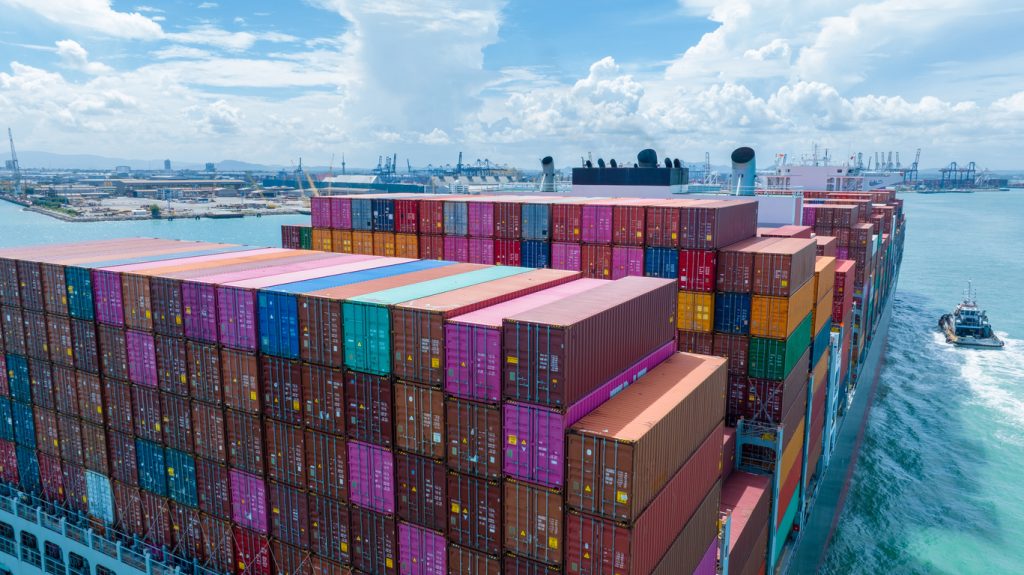
When people search for how to avoid demurrage Nigeria, it usually comes from a painful experience — a container already sitting too long at Apapa or Tin Can Island, with daily charges increasing even when clearance is almost done.
Demurrage in Nigeria is not just a shipping issue. It is a coordination problem between documentation, customs clearance speed, and port logistics handled through systems linked to the Nigeria Customs Service and terminal operators.
The key truth most importers learn late is this: demurrage is preventable, but only if the process is controlled before cargo arrives.
Why demurrage happens so quickly at Nigerian ports
At Lagos ports, charges start accumulating when containers are not evacuated within the free storage period.
Common reasons include:
- Delayed customs clearance
- Missing or incomplete documentation
- Valuation or inspection holds
- Late arrival of clearing agents
- Trucking delays after release
- Poor coordination between importer and logistics team
Even a short delay of a few days can lead to significant extra costs.
The biggest mistake: starting clearance after cargo arrives
Most demurrage problems begin before the ship even docks.
Importers often wait until arrival before:
- Confirming documents
- Processing Form M and PAAR
- Checking HS code accuracy
- Coordinating clearing agents
By then, the container is already in the system, and every delay becomes expensive.
How documentation delays trigger demurrage
One of the fastest ways to accumulate demurrage is document inconsistency.
At the port, delays often happen because of:
- Invoice not matching packing list
- Incorrect cargo description
- Missing regulatory approvals
- HS code classification issues
- Supplier documentation errors
These problems slow customs clearance, which directly increases storage time.
Why customs inspection increases storage charges
When cargo is flagged for inspection or valuation review, it is moved out of fast clearance channels.
This leads to:
- Longer stay at terminal yards
- Increased storage charges per day
- Additional handling fees
- Truck scheduling delays after release
The longer the inspection process takes, the higher the demurrage cost.
Port congestion in Lagos makes timing even more critical
At Apapa and Tin Can Island, congestion is a major factor.
Even after clearance approval:
- Trucks may not be available immediately
- Yard access can be delayed
- Container movement scheduling can be slow
- Exit gates can have backlogs
So even cleared cargo can still attract extra charges if not evacuated quickly.
How experienced importers avoid demurrage consistently
Importers who rarely pay demurrage follow a strict process:
- Complete documentation before shipment leaves origin
- Confirm HS codes and valuation early
- Process Form M and PAAR in advance
- Monitor shipment arrival timelines closely
- Pre-arrange trucks before cargo is released
- Coordinate clearing and transport as one process
The key difference is preparation, not reaction.
The importance of pre-clearance planning
Demurrage is usually avoided before cargo arrives, not after.
Effective pre-clearance planning includes:
- Reviewing shipping documents early
- Ensuring regulatory approvals are ready
- Aligning supplier and importer documentation
- Preparing clearing agents before arrival
Once cargo lands, timing becomes critical — and mistakes become costly.
Why trucking delays are a hidden cause of demurrage
Even after customs release, delays can still occur due to transport issues.
Common problems include:
- No truck available at the right time
- Poor coordination between clearing and haulage teams
- Traffic congestion in Lagos corridors
- Late release scheduling from terminals
This is why demurrage is not only a customs issue — it is a logistics coordination issue.
How importer behavior affects demurrage risk
Over time, some importers consistently pay demurrage because of their operating habits:
- Waiting for arrival before starting clearance
- Using multiple uncoordinated agents
- Poor tracking of shipment status
- Inconsistent documentation across shipments
These patterns create repeated delays that accumulate costs.
The role of coordination in preventing storage charges
Avoiding demurrage requires all parts of the import chain to work together:
- Supplier documentation must match import requirements
- Clearing agents must be engaged early
- Transport must be arranged before release
- Shipment tracking must be active from origin
Without coordination, delays are almost unavoidable.
How Travo.ng helps importers avoid demurrage in practice
For businesses managing imports into Nigeria, Travo.ng helps reduce demurrage risk by improving coordination across the entire logistics process.
This includes:
- Pre-arrival logistics planning for incoming cargo
- Import documentation coordination to reduce clearance delays
- Port and terminal pickup scheduling support
- Trucking and haulage arrangement after release
- End-to-end cargo movement coordination within Nigeria
By ensuring smoother movement from arrival to final delivery, Travo.ng helps businesses reduce the delays that typically lead to demurrage charges.
