


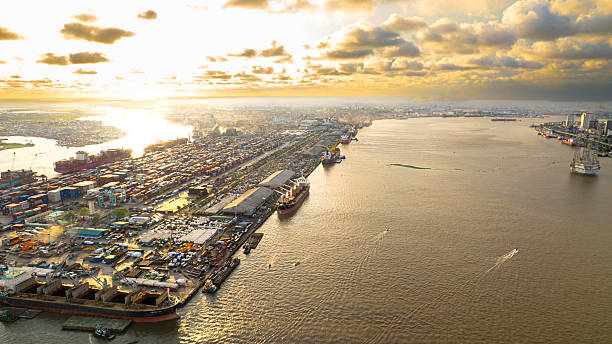
Importing goods into Nigeria can look simple until your shipment reaches Apapa, Tin Can, Murtala Muhammed Airport, or Onne Port and someone asks for the correct duty assessment, Form M, PAAR, invoice, packing list, or HS code.
This import duty Nigeria guide explains what importers, SMEs, travellers, and online sellers should know before bringing goods into the country. The aim is not to replace a licensed clearing agent, but to help you avoid the common mistakes that cause demurrage, inflated costs, and delayed deliveries.
Nigeria Customs uses the Common External Tariff and Harmonized System codes to classify imported goods, while documents such as Form M, PAAR, Single Goods Declaration, bill of lading, commercial invoice, packing list, and product certificates may be required depending on the cargo.
What Import Duty Really Means in Nigeria
Import duty is the tax charged on goods brought into Nigeria. The amount is not guessed. It usually depends on:
- The type of item being imported
- The HS code assigned to the product
- The value of the goods
- Freight and insurance costs
- Applicable levies, VAT, and other statutory charges
- Whether the item is restricted, regulated, or prohibited
For example, clearing phone accessories is not the same as clearing vehicle spare parts, fashion items, medical equipment, generators, or household appliances. Two shipments may arrive in the same container but attract different charges because Customs classifies them differently.
Why HS Codes Can Make or Break Your Budget
One of the biggest mistakes importers make is calculating duty with the wrong product category. A small change in HS code can affect the percentage payable.
If you import LED lights, tyres, laptops, food items, or cosmetics, do not rely only on what your supplier writes on the invoice. Nigerian clearance depends on how Customs interprets the item. This is why serious importers confirm classification before shipping, especially when goods are coming from China, Turkey, Dubai, the UK, or the US.
Getting this wrong can lead to reassessment, extra payments, or cargo being held longer than expected.
Documents You Should Prepare Before Your Goods Arrive
Most delays happen before the shipment even lands. The importer waits until the container arrives before looking for documents.
For smoother cargo clearance in Nigeria, prepare:
- Commercial invoice
- Packing list
- Bill of lading or airway bill
- Form M where applicable
- PAAR where required
- Product certificate for regulated goods
- Insurance and freight details
- Supplier information and country of origin
Customs duty payment is usually tied to the Single Goods Declaration assessment, and payment can be made through designated banks after the assessment notice matches electronically.
Practical Cost Example for a Small Business Importer
Assume a Lagos boutique imports fashion accessories worth ₦2.5 million, with freight and insurance bringing the landed value higher. The importer should not budget only for shipping.
They may need to consider:
- Import duty
- VAT
- Port or terminal charges
- Clearing agent fee
- Local delivery from port or airport
- Storage or demurrage if clearance is delayed
This is where many small businesses lose profit. A product may look cheap from the supplier, but after duty, port charges, transport from Lagos port to the warehouse, and last-mile delivery to customers in Lekki, Ibadan, Abuja, or Port Harcourt, the real cost changes.
Moving Cleared Goods From Port to Final Destination
Clearing the cargo is only one part of the job. After release, the goods still need to move safely.
For Lagos-based imports, delivery from Apapa or Tin Can to Ikeja, Yaba, Lekki, Ajah, Surulere, or Ogun warehouses can be affected by traffic, truck availability, and loading time. For interstate movement, goods may need proper waybill documentation and reliable transport coordination.
Travo.ng can support businesses with practical logistics planning after clearance, including cargo movement, courier delivery, business logistics, relocation support, and transport coordination within and outside Lagos.
Mistakes That Delay Imported Goods in Nigeria
Avoid these common problems:
- Shipping goods before confirming import requirements
- Using unclear invoices with vague product descriptions
- Underestimating total landed cost
- Ignoring regulated product approvals
- Waiting too long to arrange local delivery
- Choosing the cheapest logistics option without checking reliability
A delay of three days at the port can cost more than choosing a proper logistics partner from the beginning.
When Travo.ng Can Help
Travo.ng is useful when you need more than basic advice. If your shipment has been cleared and you need delivery to your store, warehouse, office, or customer, Travo.ng can help arrange dependable movement.
Relevant services include cargo logistics, courier services, delivery support, relocation logistics, business transport coordination, airport pickup, vehicle hire, and interstate movement. For importers who also travel for trade, Travo.ng can assist with travel bookings, hotel reservations, and airport coordination.
Import duty in Nigeria is easier to manage when you plan early, confirm documents, understand your likely cost, and arrange delivery before the goods arrive. That preparation can save money, reduce stress, and help your business serve customers faster.
