


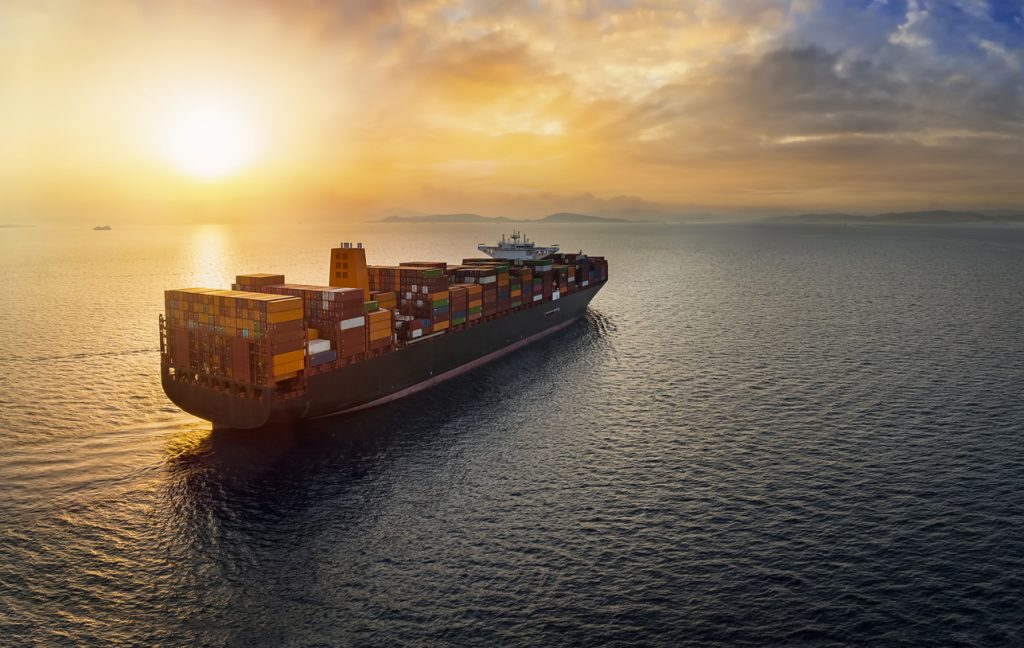
When people search for emergency cargo release Nigeria, it usually means one thing — the situation is already critical. A container is stuck at Apapa, Tin Can Island, or Lekki Port, demurrage is increasing daily, and the cargo is needed immediately for business operations, contracts, or customer delivery.
In Nigeria, “emergency release” is not an official shortcut. It is a coordinated effort involving Customs clearance, documentation correction, shipping line approval, and terminal processing under the supervision of the Nigeria Customs Service.
Speed only happens when every stage is fixed at once, not one after another.
Why cargo suddenly becomes an “emergency release” situation
Most emergency cases are caused by avoidable delays that escalate over time, such as:
- Cargo already incurring demurrage at the port
- Missing or delayed Form M or PAAR processing
- HS code errors or classification disputes
- Valuation queries from Customs
- Incorrect or inconsistent shipping documents
- Delay in shipping line delivery order issuance
- Trucking or evacuation failure after clearance
What starts as a small delay quickly becomes urgent due to daily port charges.
The biggest mistake in emergency cargo situations
The most common error importers make is trying to “rush Customs” instead of fixing the real issue.
At Nigerian ports, urgency does not override:
- Documentation accuracy
- Customs valuation rules
- Inspection requirements
- Regulatory compliance
If these are not corrected, the cargo remains stuck no matter how urgent the request is.
Step 1: Identify exactly where the cargo is stuck
Emergency release begins with diagnosis.
Your container may be delayed at:
- Customs clearance stage (declaration, valuation, inspection)
- Shipping line stage (delivery order not issued)
- Terminal stage (release not processed or unpaid charges)
- Trucking stage (cleared but not evacuated)
Each stage requires a different solution — rushing without identifying the block wastes time.
Step 2: Fix documentation issues immediately
Most emergency delays come from documentation problems.
You need to quickly verify:
- Invoice matches packing list exactly
- HS code classification is correct
- Product description is clear and consistent
- All supplier details match across documents
- Required approvals (SONCAP, NAFDAC, etc.) are available
Without this correction, Customs cannot release cargo even in urgent cases.
Step 3: Resolve Customs clearance bottlenecks
Once documentation is corrected, the clearing agent must:
- Push declaration processing immediately
- Respond to Customs queries fast
- Handle valuation issues or reassessment requests
- Ensure duty assessment is completed and paid quickly
At this stage, delays are usually caused by pending responses or incomplete submissions.
Step 4: Secure shipping line delivery order quickly
Even after Customs approval, cargo cannot move without shipping line authorization.
Delays here often come from:
- Unpaid terminal or shipping charges
- Missing release instructions
- Administrative backlog at shipping line offices
Fast coordination is critical to avoid further waiting time.
Step 5: Arrange immediate container evacuation
After release approval, trucks must be ready immediately.
Common problems include:
- No truck available at short notice
- Poor coordination between clearing agent and transporter
- Terminal congestion at pickup time
- Missed booking windows
In emergency cargo release, timing is everything — even a few hours delay can add extra charges.
Why emergency cargo release becomes expensive in Nigeria
When cargo is delayed, costs increase due to:
- Daily demurrage charges
- Terminal storage fees
- Truck rescheduling costs
- Inspection handling fees
- Emergency coordination expenses
The longer the cargo stays, the higher the total landed cost becomes.
Why some emergency releases still fail
Even urgent cases fail when:
- Documents are inconsistent and cannot be corrected quickly
- Customs flags cargo for high-risk inspection
- Valuation disputes remain unresolved
- Multiple agents are handling different parts of the process
- There is no single coordination point managing the shipment
Without full coordination, urgency alone does not solve the problem.
How experienced importers handle emergency cargo release
Importers who successfully manage emergency situations usually:
- Identify the blockage immediately
- Assign one coordinated clearance team
- Fix documentation and valuation issues in parallel
- Pre-arrange trucks before approval is completed
- Maintain constant communication with Customs and shipping lines
The key difference is simultaneous action, not step-by-step delays.
How Travo.ng supports emergency cargo release in Nigeria
For importers dealing with urgent or delayed shipments, Travo.ng helps coordinate the entire recovery process so cargo moves out of the port as quickly as possible.
This includes:
- Rapid assessment of where cargo is stuck
- Coordination with clearing agents for fast documentation correction
- Customs clearance support to resolve bottlenecks
- Shipping line and terminal coordination for release approval
- Immediate truck booking and container evacuation planning
- End-to-end logistics recovery for delayed shipments
By aligning documentation, clearance, and transport together, Travo.ng helps reduce the time lost in emergency cargo situations.
