


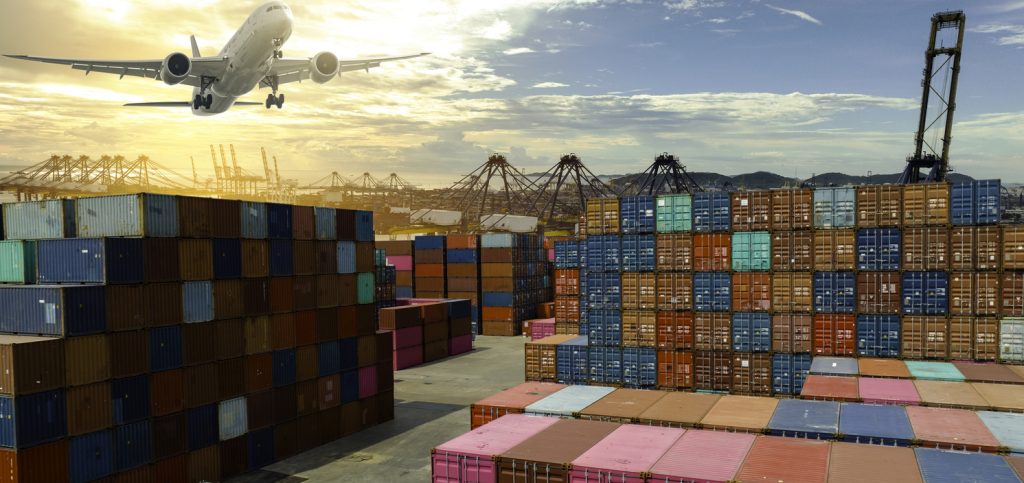
Anyone who has dealt with container movement in Lagos already knows one thing: the real challenge is not just shipping the cargo into Nigeria—it is getting it out of the port and delivered safely without losing time, money, or sleep.
Container transport services in Lagos are built around that exact problem, especially around busy logistics corridors like Apapa Port Complex and Tin Can Island Port.
From clearing delays to traffic bottlenecks, container movement in Lagos is a full operation on its own.
What Container Transport Services Actually Involve
Container transport is not just about hiring a truck. It is a structured logistics process that moves 20ft or 40ft containers from the port to warehouses, factories, or delivery locations across Nigeria.
In practical terms, it includes:
- Container pickup from Apapa or Tin Can ports
- Customs clearance coordination support
- Truck and trailer arrangement (20ft/40ft)
- Port documentation handling
- Route planning for delivery
- Inland haulage across states
- Offloading at warehouse or destination
- Return of empty containers (if required)
It is a chain of coordination, not just transportation.
Why Container Movement in Lagos Is So Challenging
Lagos is Nigeria’s busiest logistics hub, but it is also one of the most congested.
Common real-world challenges include:
- Persistent traffic around Apapa and Wharf Road
- Long waiting time inside port terminals
- Documentation delays during clearance
- Limited truck access windows at the port
- Fuel and haulage cost fluctuations
- Security checks and port regulations
- Unpredictable road conditions during rain or peak hours
Even when clearance is fast, movement outside the port can still take hours.
What Happens Around Apapa and Tin Can Ports
At Apapa Port Complex and Tin Can Island Port, container logistics is highly time-sensitive.
Typical flow includes:
- Vessel arrival and container offloading
- Customs documentation processing
- Terminal release approval
- Truck assignment and entry scheduling
- Container pickup from designated stack area
- Exit from port gate into Lagos road network
Each stage can experience delays depending on congestion and clearance readiness.
Real Cost and Timing Expectations in Lagos Container Transport
Container transport costs in Lagos are not fixed because they depend on multiple operational factors:
- Distance from port to destination
- Container size (20ft vs 40ft)
- Fuel price fluctuations
- Port charges and demurrage risk
- Truck availability
- Clearance speed
Typical real-world estimates:
- Lagos to within Lagos mainland: moderate cost, faster turnaround
- Lagos to Ogun/Oyo: higher transport cost, 1–2 days delivery
- Lagos to northern Nigeria: significantly higher cost, 2–5 days depending on route and checks
Delays at the port can increase costs quickly due to storage and demurrage charges.
The Apapa Gridlock Reality
Anyone working in logistics in Lagos understands Apapa traffic is a major factor.
Common issues include:
- Truck queues stretching for kilometers
- Limited port exit windows
- Road restrictions and access control
- Slow movement during peak cargo periods
This is why timing, booking, and coordination matter more than just having a truck.
Common Mistakes Businesses Make With Container Transport
Many delays in container logistics come from avoidable mistakes such as:
- Starting clearance without transport planning
- Using unverified or unavailable trucks
- Poor coordination between clearing agent and transporter
- Ignoring demurrage timelines
- No backup plan for port delays
- Late documentation submission
In Lagos logistics, timing mistakes cost money fast.
Who Uses Container Transport Services in Nigeria
Container haulage is commonly used by:
- Importers and wholesalers
- Manufacturing companies
- Construction material suppliers
- Agricultural exporters and importers
- Oil and industrial equipment companies
- Retail distribution businesses
Anything that moves in bulk usually depends on container logistics.
How Container Transport Is Managed Efficiently
A well-organized container movement process usually follows:
- Cargo arrival notification from shipping line
- Customs clearance preparation
- Truck scheduling before release
- Container pickup from port terminal
- Real-time route planning
- Delivery to warehouse or destination
- Container return (if applicable)
Without coordination, any of these steps can become a delay point.
How Travo.ng Supports Container Transport Services in Lagos
Travo.ng provides structured container transport coordination designed to reduce delays, improve timing, and ensure smooth cargo movement from port to destination.
Support typically includes:
- Container pickup coordination from Apapa and Tin Can ports
- Truck and trailer arrangement for 20ft and 40ft containers
- Clearance and documentation logistics support
- Real-time route planning to avoid traffic delays
- Inland delivery to warehouses, factories, and distribution hubs
- Coordination for container returns when required
- Backup logistics for port congestion delays
The focus is simple: move cargo efficiently from port to destination without unnecessary downtime or cost escalation.
For businesses operating in Lagos and across Nigeria, this means fewer delays, better planning, and more predictable logistics operations.
