


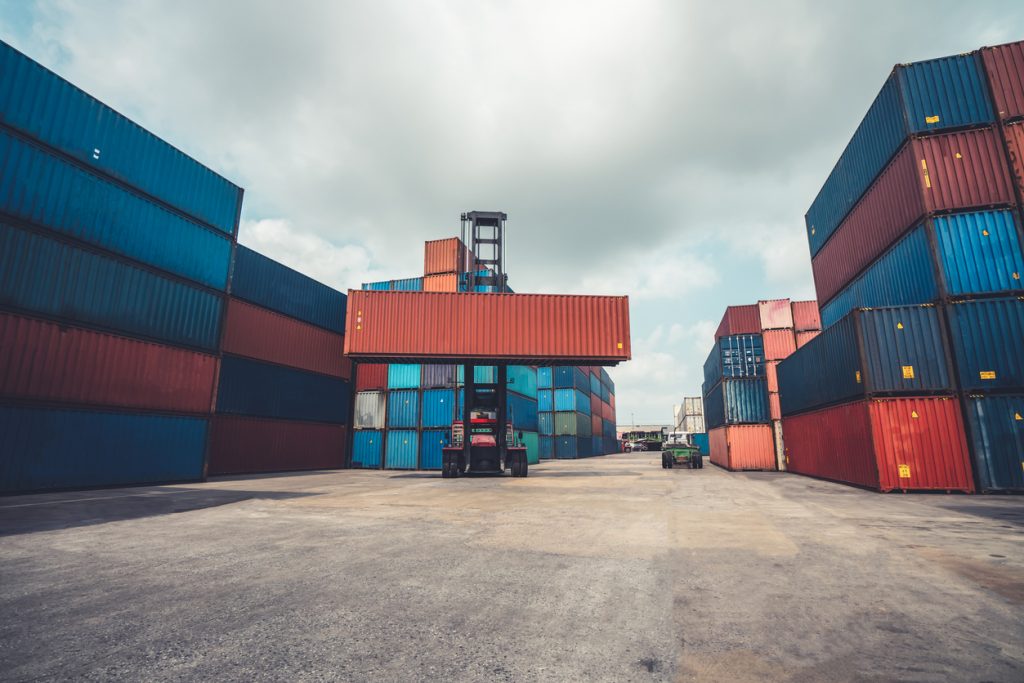
Container contamination in Nigeria refers to any situation where the inside of a shipping container becomes polluted, unsafe, or unsuitable for the cargo it carries. This contamination can damage goods, reduce product quality, or make entire shipments unusable.
In simple terms, it means a shipping container is not clean or safe, and it affects the goods stored inside it.
Types of Container Contamination
1. Chemical Contamination
Caused by leftover substances such as:
- Fuel or oil residues
- Industrial chemicals
- Cleaning agents
- Toxic vapors from previous cargo
2. Biological Contamination
Includes:
- Mold and fungi
- Insects or pests
- Rodents
- Bacterial growth due to moisture
3. Moisture Contamination
Very common in Nigeria due to humidity:
- Condensation (“container rain”)
- Water leaks
- Damp container floors
4. Odor Contamination
Strong smells from previous cargo affecting new goods:
- Chemicals
- Fish or food products
- Fuel or rubber materials
5. Physical Contamination
Presence of unwanted materials like:
- Dirt and rust
- Broken packaging remnants
- Dust and debris
Common Causes of Container Contamination in Nigeria
1. Poor Container Maintenance
Many containers may have:
- Rusted interiors
- Damaged flooring
- Poor sealing conditions
2. Improper Cleaning Between Uses
Containers reused without proper cleaning may retain:
- Chemical residue
- Odors
- Organic waste
3. Port and Yard Exposure
Long exposure at ports can lead to:
- Rainwater entry
- Dust accumulation
- Heat and humidity buildup
4. Previous Cargo Residue
If a container previously carried:
- Chemicals
- Food products
- Industrial waste
…it may contaminate new cargo.
5. Poor Storage Conditions
Containers stored in open yards are exposed to:
- Rain
- Flooding
- Pest infestation
High-Risk Goods Affected by Container Contamination
- Food and beverages
- Pharmaceuticals
- Cosmetics
- Textiles
- Electronics
- Agricultural products
Effects of Container Contamination
1. Cargo Damage
Goods may become:
- Unsafe
- Spoiled
- Unsellable
2. Financial Loss
Importers may lose:
- Entire shipments
- Storage and shipping costs
- Market value of goods
3. Regulatory Rejection
Authorities may reject contaminated goods, especially:
- Food products
- Medical supplies
4. Supply Chain Delays
Inspection and replacement of cargo cause delays.
5. Reputation Damage
Poor quality goods affect brand trust.
How Container Contamination Is Detected
1. Pre-Loading Inspection
Checking container condition before loading.
2. Odor Detection
Strong or unusual smells indicate contamination.
3. Visual Inspection
Signs include:
- Rust
- Moisture
- Dirt or stains
4. Cargo Condition Check After Unloading
Used to confirm if contamination occurred during transit.
What to Do When Container Contamination Occurs
1. Stop Unloading Immediately (if possible)
Prevent further damage to goods.
2. Document Everything
Take:
- Photos
- Videos
- Container condition evidence
3. Notify Stakeholders
Inform:
- Shipping line
- Freight forwarder
- Insurance provider
4. Conduct Cargo Survey
A professional surveyor will determine:
- Source of contamination
- Extent of damage
- Possible liability
5. File Insurance Claim
Submit:
- Bill of lading
- Inspection report
- Survey report
- Shipping documents
Prevention of Container Contamination
1. Pre-Loading Container Inspection
Always check for:
- Cleanliness
- Odor
- Structural integrity
2. Use Food-Grade or Clean Containers
Especially for sensitive goods.
3. Proper Container Cleaning
Ensure containers are washed and dried before reuse.
4. Use Desiccants
Helps control moisture inside containers.
5. Avoid Mixing Cargo Types
Do not mix:
- Chemicals with food
- Industrial goods with pharmaceuticals
6. Reduce Port Delays
Shorter exposure reduces contamination risk.
7. Use Reliable Logistics Providers
Proper handling reduces risk across the supply chain.
Insurance Coverage for Container Contamination
Cargo insurance may cover:
- Water or moisture damage
- Chemical contamination
- Spoilage due to transit conditions
Coverage depends on:
- Policy terms
- Proof of cause
- Cargo type
How Travo.ng Supports Businesses After Clearance
While container contamination happens mainly during shipping and storage, safe inland logistics also helps protect cargo quality.
This is where Travo.ng supports businesses across Nigeria.
Travo.ng provides:
- Cargo pickup from ports and airports
- Nationwide transportation services
- Interstate logistics coordination
- Commercial cargo delivery
- Distribution support for businesses
- Last-line delivery solutions
Proper handling reduces additional risk after clearance.
Final Insight
Container contamination in Nigeria is a serious logistics issue caused by poor cleaning, moisture, residue from previous cargo, and improper storage. It can destroy valuable shipments, especially food and pharmaceutical goods. Prevention requires strict inspection, proper container hygiene, and reliable logistics practices.
