


A chemical import permit in Nigeria is an official authorization required before importing chemicals into the country. It ensures that all chemical substances entering Nigeria are properly classified, safe for handling, and compliant with environmental and health regulations.
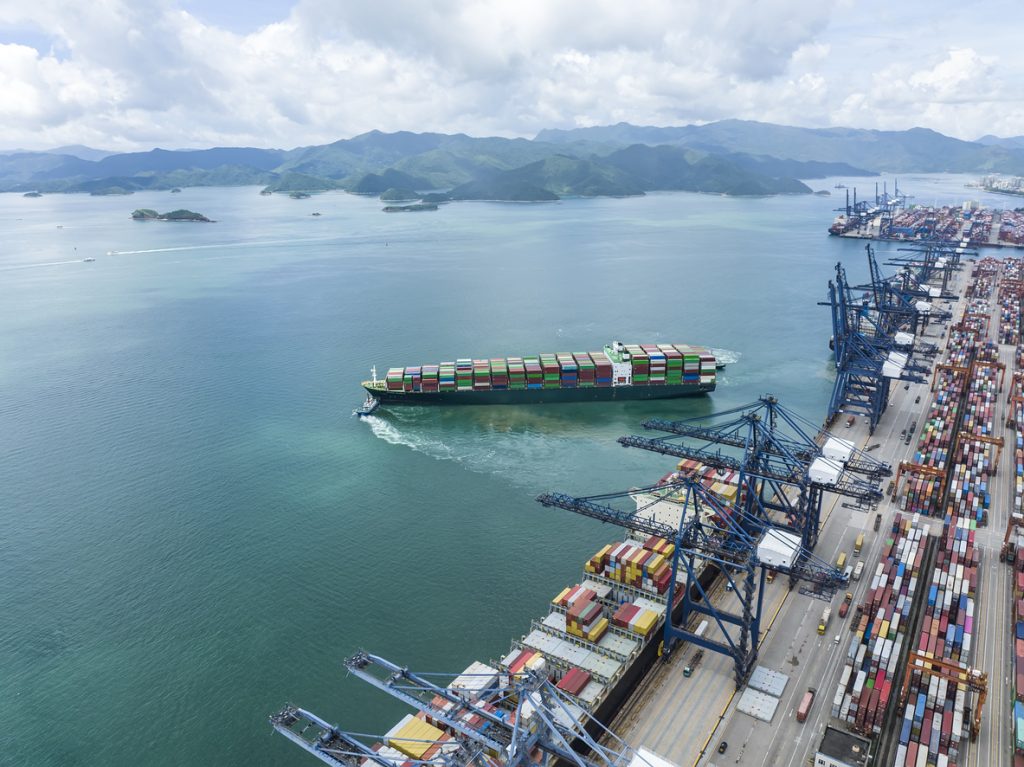
Because chemicals can be hazardous, regulated, or environmentally sensitive, importation is strictly controlled at entry points such as Apapa Port, Tin Can Island Port, Onne Port, Port Harcourt Port, and international airports like Murtala Muhammed International Airport.
In simple terms, a chemical import permit is the approval that allows chemicals to legally enter Nigeria under strict regulatory control.
Who Regulates Chemical Imports in Nigeria
Chemical imports are regulated by multiple agencies depending on the type of chemical, including:
National Agency for Food and Drug Administration and Control
NESREA also plays a role in environmental regulation for certain chemical categories.
These agencies ensure chemicals are:
- Safe for handling and use
- Properly classified and documented
- Not harmful to public health
- Compliant with environmental standards
- Correctly labeled and packaged
What Requires a Chemical Import Permit
A chemical import permit is required for:
- Industrial chemicals
- Laboratory reagents
- Cleaning and disinfectant chemicals
- Agricultural chemicals (pesticides, herbicides, etc.)
- Hazardous substances
- Raw chemical materials for manufacturing
- Solvents, acids, and industrial compounds
Why Chemical Import Permits Are Important
Chemical import control helps to:
- Prevent importation of hazardous substances
- Protect public health and safety
- Control environmental pollution
- Ensure proper handling and storage
- Monitor industrial chemical usage
- Prevent illegal or unregulated chemical trade
Key Requirements for Chemical Import Permit
To obtain approval, importers typically need:
1. Product Documentation
Including:
- Commercial invoice
- Packing list
- Bill of lading or airway bill
- Material Safety Data Sheet (MSDS)
- Chemical composition details
2. Import Permit Application
Submitted to the relevant regulatory authority.
3. Correct HS Classification
Proper identification of chemical category is essential.
4. Regulatory Approval
From NAFDAC, NESREA, or other relevant agencies depending on classification.
5. Safety and Handling Information
Details on storage, transport, and usage.
Common Chemical Import Permit Issues in Nigeria
Missing Permit
Importation without prior authorization.
Incorrect Classification
Wrong chemical category or HS code.
Incomplete MSDS
Missing safety or composition data.
Restricted Substance Issues
Chemicals under environmental or safety restrictions.
Documentation Mismatch
Differences between shipping and regulatory documents.
What Happens Without a Chemical Import Permit?
If a permit is missing or invalid, cargo may:
- Be held at port or airport
- Be subjected to inspection or laboratory testing
- Accumulate demurrage and storage charges
- Face clearance delays
- Be rejected or re-exported
Even if customs duties are paid, chemical imports cannot be released without regulatory approval.
Chemical Import Permit and Customs Clearance
The:
Nigeria Customs Service
ensures that chemical imports are cleared only after regulatory compliance is confirmed.
This means:
- Customs clearance is paused until approval is verified
- NESREA or NAFDAC clearance may be required
- No release without environmental and safety approval
Why Chemical Import Regulations Are Strict in Nigeria
Chemical imports are tightly controlled because:
- Many chemicals are hazardous or toxic
- Improper handling can cause environmental damage
- Some chemicals are restricted or controlled internationally
- Public health risks must be prevented
- Industrial safety standards must be enforced
Common Causes of Chemical Import Delays
Lack of Pre-Import Approval
Goods shipped before permits are obtained.
Incomplete Documentation
Missing MSDS or technical details.
Regulatory Complexity
Multiple agencies may be involved.
Restricted Chemical Classification
Certain chemicals require special permits.
Documentation Errors
Mismatch in shipment and permit details.
How to Avoid Chemical Import Permit Issues
Experienced importers typically:
- Confirm chemical classification before import
- Obtain permits before shipment
- Provide complete MSDS documentation
- Ensure correct HS coding
- Work with compliance consultants
Early planning reduces delays and compliance risks.
Impact of Chemical Import Permit Issues
Importers may face:
- Cargo detention at ports
- High demurrage and storage costs
- Supply chain disruption
- Financial losses
- Possible rejection or re-export of goods
How Travo.ng Supports Businesses After Clearance
While chemical import permits handle regulatory approval, businesses still need reliable logistics after cargo release.
This is where Travo.ng supports importers across Nigeria.
Travo.ng provides:
- Cargo pickup from ports and airports
- Nationwide transportation services
- Interstate logistics coordination
- Commercial cargo delivery
- Distribution support for businesses
- Last-mile delivery solutions
Whether goods are moving from Lagos to Abuja, Kano, Port Harcourt, Enugu, or other destinations, Travo.ng ensures smooth movement after clearance.
Final Insight
A chemical import permit in Nigeria is essential for controlling the importation of industrial, laboratory, and hazardous substances. Because chemicals can pose environmental and health risks, regulatory agencies enforce strict documentation and approval processes. Importers who comply early and provide full technical details significantly reduce delays and clearance issues.
