


Scheduling pickup from a market in Nigeria means arranging in advance for a dispatch rider, courier, or market agent to go to a specific market at a set time, collect goods, and deliver them to a customer, shop, or warehouse.
It is commonly used in Lagos, Abuja, Port Harcourt, Ibadan, Kano, Aba, and Onitsha, especially by SMEs, online sellers, restaurants, and wholesalers who need regular or planned market sourcing.
Travo.ng explains this as a planned market-to-door logistics system that improves efficiency, reduces delays, and supports structured business operations.
1. What Does “Schedule Pickup from Market” Mean?
It means:
- You set a specific time for pickup (e.g., morning or afternoon)
- A dispatch rider or agent is assigned ahead of time
- The rider goes to the market at the scheduled time
- Goods are collected and delivered immediately after pickup
👉 It is different from instant delivery because it is planned and organized in advance.
2. Why Schedule Market Pickup?
🕒 Better time control
- You choose when goods should be collected
- Avoids delays and last-minute rush
🛒 Reliable sourcing
- Ensures vendors are available before pickup
- Reduces failed trips to the market
📦 Business efficiency
- Helps SMEs plan inventory restocking
- Supports daily or weekly supply cycles
🚚 Bulk coordination
- Allows vans or multiple riders to be arranged
- Useful for wholesale traders
3. What Can Be Scheduled for Market Pickup?
🥘 Foodstuff
- Rice, beans, yam, garri
- Vegetables and spices
- Fresh produce
👗 Fashion items
- Fabrics (Ankara, lace)
- Clothing and boutique items
- Shoes and accessories
🔧 Business supplies
- Spare parts
- Hardware tools
- Restaurant and catering items
📦 Wholesale goods
- Bulk inventory
- Retail stock
- Supplier shipments
4. How Scheduled Market Pickup Works
- Customer books pickup in advance
- Details of market, vendor, and items are provided
- Dispatch service assigns rider or agent
- At scheduled time, rider goes to market
- Items are purchased or collected
- Goods are delivered to destination
5. Types of Scheduled Pickup Services
🛒 Daily scheduled pickup
- For businesses that restock every day
- Common for restaurants and retailers
📦 Weekly bulk pickup
- Large inventory collected once or twice weekly
- Used by wholesalers
🏪 Multi-market pickup
- Rider visits multiple markets in one schedule
- Common for large procurement needs
🚚 Scheduled van delivery
- Used for bulk goods and heavy items
- Supports SME supply chains
6. Transport Modes Used
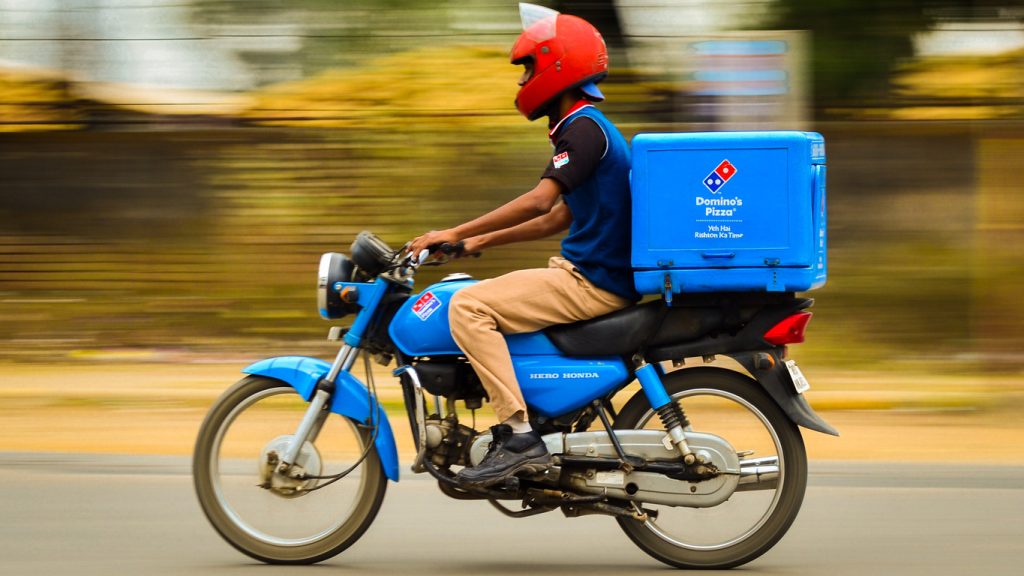
🏍️ Motorcycles
- Fast and flexible for small orders
- Best for city market routes
🚗 Cars
- Used for fragile or medium-sized goods
- Safer handling for valuable items
🚐 Vans and trucks
- Used for bulk and wholesale deliveries
- Ideal for business logistics
7. Benefits of Scheduled Market Pickup
- Reduces delivery delays
- Improves supply chain planning
- Ensures availability of riders
- Helps businesses manage inventory better
- Lowers last-minute logistics stress
8. Challenges of Scheduled Pickup
- Market price changes before purchase
- Vendor availability issues
- Traffic delays in peak hours
- Coordination errors between buyer and agent
- Weather disruptions
9. Who Uses Scheduled Market Pickup?
- SMEs and retail shops
- Restaurants and caterers
- Online sellers
- Wholesale distributors
- Market traders with bulk needs
- Corporate procurement teams
10. Best Practices for Scheduling Market Pickup
- Book at least a few hours or a day in advance
- Provide clear item lists and vendor details
- Confirm pickup time with dispatch service
- Ensure payment method is agreed beforehand
- Use trusted logistics providers
11. Travo.ng Logistics Insight
From a logistics perspective, scheduled market pickup is a critical supply chain optimization tool in Nigeria, where:
- Markets function as distributed inventory centers
- Businesses rely on predictable procurement cycles
- Dispatch riders are coordinated for efficiency
- Planning reduces cost and improves reliability
Travo.ng supports this ecosystem by enabling structured scheduling systems, optimized market routing, and reliable procurement logistics across Nigeria’s commercial cities.
