


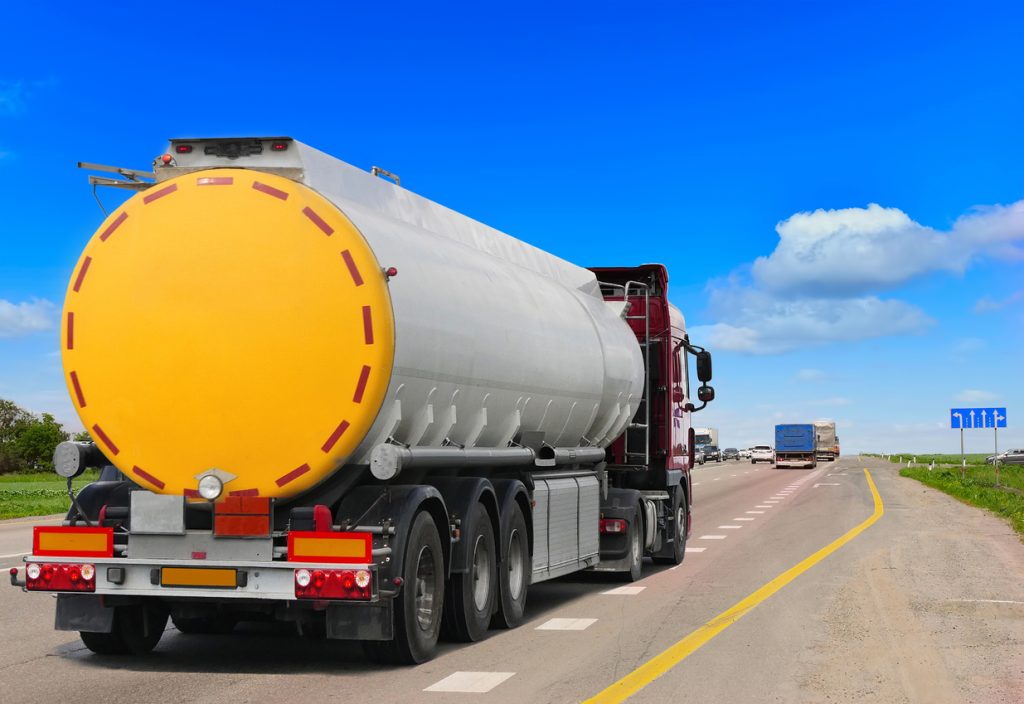
Cargo truck management services refer to the structured operation, coordination, and optimization of trucks used for transporting general goods across cities, states, and sometimes international routes. These services ensure that cargo trucks are consistently loaded, efficiently routed, properly maintained, and financially tracked to maximize productivity and profit.
In logistics markets like Nigeria—especially in Lagos ports, industrial zones, and interstate trade corridors—cargo trucking is the backbone of goods movement. Without structured management, fleets quickly become inefficient, with high downtime, poor coordination, and reduced profitability.
What cargo truck management services actually mean
Cargo truck management services cover the full operational lifecycle of freight trucks used for general cargo transportation.
They include:
- Cargo assignment and dispatch coordination
- Driver recruitment and supervision
- Route planning and delivery scheduling
- Fuel monitoring and cost control
- Truck maintenance and repair management
- Load optimization and utilization tracking
- Real-time tracking and reporting
In simple terms, they ensure cargo trucks move goods efficiently and generate consistent revenue.
Why cargo truck management is important
Cargo trucks operate in highly competitive and time-sensitive environments.
Without proper management, operators face:
- Frequent delays in delivery schedules
- High fuel consumption and operational costs
- Poor truck utilization and idle time
- Cargo loss or damage due to poor handling
- Driver inefficiency and lack of accountability
- Difficulty tracking profitability per truck
These issues reduce overall fleet performance and revenue.
Core components of cargo truck management services
1. Cargo dispatch and load coordination
Efficient cargo assignment ensures trucks are always working.
This includes:
- Matching trucks to suitable cargo types
- Coordinating pickup and delivery schedules
- Assigning loads based on route efficiency
- Avoiding empty return trips where possible
- Managing multiple client shipments
Proper dispatch increases fleet utilization.
2. Route planning and logistics optimization
Route efficiency directly affects cost and delivery time.
Management covers:
- Selecting optimal delivery routes
- Avoiding congested or high-risk roads
- Planning multi-stop deliveries where applicable
- Reducing travel distance and fuel consumption
- Coordinating delivery timing with clients
Efficient routing improves profitability.
3. Driver management and accountability
Drivers play a central role in cargo operations.
Services include:
- Recruiting qualified and vetted drivers
- Assigning drivers to specific trucks and routes
- Monitoring driving behavior and compliance
- Managing performance and discipline
- Handling payroll and incentives
Accountable drivers improve reliability and safety.
4. Fuel and operational cost control
Fuel is one of the highest expenses in cargo trucking.
Management focuses on:
- Monitoring fuel usage per trip
- Detecting fuel wastage or theft
- Setting consumption benchmarks
- Optimizing driving efficiency
- Reducing unnecessary operational costs
Cost control directly improves profit margins.
5. Truck maintenance and breakdown management
Reliable trucks are essential for cargo delivery.
This includes:
- Preventive maintenance scheduling
- Engine and transmission servicing
- Tire, brake, and suspension checks
- Emergency breakdown response
- Spare parts and workshop coordination
Well-maintained trucks reduce downtime.
6. Real-time tracking and delivery monitoring
Visibility improves control and customer trust.
This includes:
- GPS tracking of cargo trucks
- Live trip updates and status reports
- Delivery confirmation and proof of delivery
- Exception alerts for delays or route changes
- Performance reporting dashboards
Tracking improves transparency.
7. Cargo handling and safety management
Proper handling prevents damage and loss.
This involves:
- Safe loading and unloading procedures
- Cargo securing and weight distribution
- Damage prevention protocols
- Coordination with warehouses and terminals
- Inspection before and after transit
Safety ensures cargo integrity.
Key performance indicators in cargo truck management
Performance is measured using:
- Truck utilization rate
- Cost per kilometre
- On-time delivery rate
- Fuel efficiency ratio
- Cargo damage or loss rate
- Maintenance downtime
- Revenue per truck
These metrics determine operational success.
Challenges in cargo trucking in Nigeria
Operators often face:
- Traffic congestion in major cities like Lagos
- Poor road infrastructure on interstate routes
- High fuel and maintenance costs
- Inconsistent cargo demand patterns
- Security risks on long-distance routes
- Delays at ports and loading terminals
These challenges require strong management systems.
Risks of poor cargo truck management
Without structured systems, fleets experience:
- Low truck utilization and idle assets
- High operational costs
- Frequent delivery delays
- Cargo damage or loss incidents
- Driver inefficiency and misuse
- Reduced client trust and contracts
Poor management reduces competitiveness.
How cargo truck management improves profitability
When properly implemented, it delivers:
- Higher fleet utilization
- Reduced fuel and maintenance costs
- Faster and more reliable deliveries
- Better cargo coordination
- Improved driver performance
- Consistent revenue generation
Efficiency leads directly to profitability.
Technology used in cargo truck management
Modern systems rely on:
- GPS tracking and telematics systems
- Digital dispatch platforms
- Fuel monitoring tools
- Route optimization software
- Maintenance tracking systems
- Automated reporting dashboards
Technology enhances control and efficiency.
Where logistics coordination fits into cargo trucking
Even well-managed cargo fleets depend on external logistics systems.
This includes:
- Freight booking and cargo consolidation
- Warehouse and distribution management
- Port and terminal operations
- Intercity and interstate logistics planning
Delays in logistics affect truck performance.
How Travo.ng supports logistics coordination
While cargo truck management services focus on fleet operations and optimization, logistics coordination ensures smooth movement of goods across the entire supply chain.
Travo.ng supports logistics operations through:
- Cargo consolidation and freight coordination
- Intercity and interstate delivery services
- Port-to-destination logistics support
- Supply chain coordination across Nigeria
- End-to-end logistics execution for cargo movement
This helps reduce delays that impact fleet utilization and delivery performance.
Final thoughts
Cargo truck management services are essential for turning trucking operations into structured, scalable, and profitable logistics businesses. Without proper management, cargo fleets suffer from inefficiency, high costs, and inconsistent performance.
With strong systems in place, cargo trucks become reliable assets that generate consistent income and support growing supply chain demands.
In modern logistics, success is not just about moving goods—it is about managing every truck, driver, and route with precision and control.
