


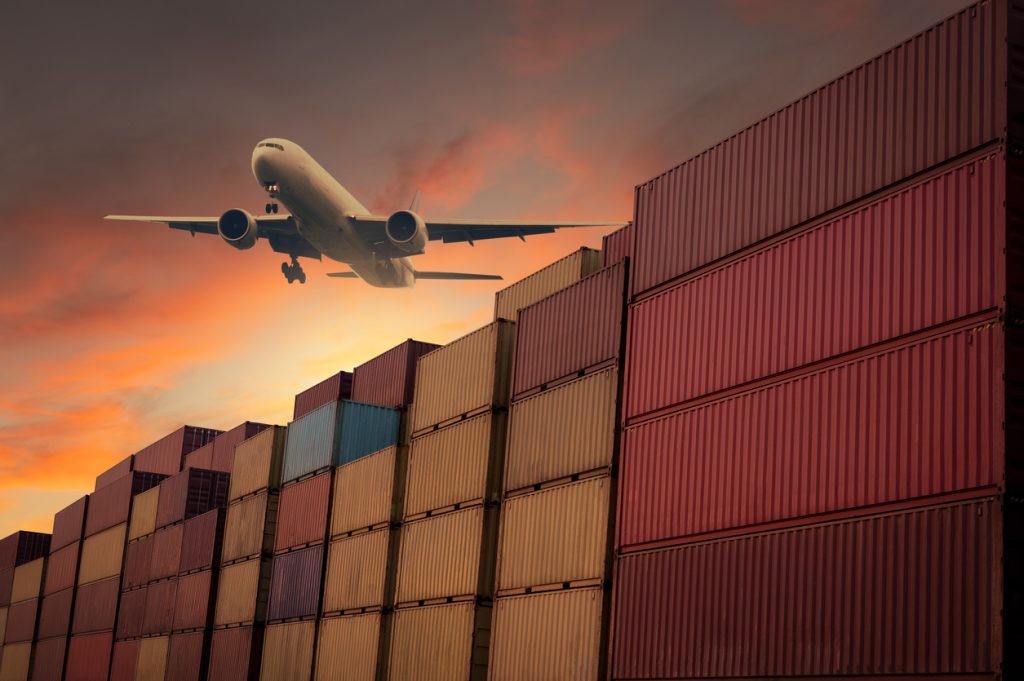
Cargo insurance protects imported or exported goods against specified risks while they are being transported. For Nigerian businesses importing goods from China, Turkey, Dubai, Europe and other markets, cargo insurance can help reduce the financial impact of loss or damage during transportation.
Marine cargo insurance can cover goods moving by sea, air or overland transport, depending on the terms of the policy. Coverage can include risks such as physical damage, theft and certain transportation-related losses. (Industrial and General Insurance Plc)
Is Cargo Insurance Required for Nigerian Imports?
Nigeria has a local insurance requirement for imported goods. NAICOM regulates the insurance sector, and Nigerian marine-industry guidance states that imported goods are to be insured with a Nigerian-registered insurer. (NAICOM)
For an importer, this means insurance should be considered during the import documentation process rather than after the shipment has already left the supplier.
The exact documentation and valuation requirements can depend on the transaction, bank and type of shipment, so importers should confirm the current requirements with their insurer, bank or licensed insurance broker.
What Does Cargo Insurance Cover?
The coverage depends on the policy and the clauses selected.
Potential risks can include:
- Accidental physical damage
- Theft
- Fire
- Vessel-related incidents
- Cargo loss during transit
- Damage during certain handling operations
- Some risks occurring during inland transportation
A marine cargo policy can provide cover from the point of shipment through the transportation journey, subject to its terms, exclusions and stated destination. (Industrial and General Insurance Plc)
Do not assume that every type of loss is automatically covered.
Types of Cargo Insurance Cover
Marine cargo policies can offer different levels of protection.
Institute Cargo Clauses A generally provide broader protection than Clauses B and C, although even broad “all risks” cover has exclusions. These can include issues such as ordinary wear and tear, inadequate packaging, delay and certain inherent characteristics of the goods. (Industrial and General Insurance Plc)
Before choosing a policy, ask the insurer to explain:
- What is covered
- What is excluded
- Where the cover begins
- Where the cover ends
- The excess or deductible
- How claims are handled
- What documentation is required
How Much Should Your Cargo Be Insured For?
The insured amount should be determined using the valuation basis agreed with your insurer and, where applicable, your bank.
Depending on the transaction, the calculation can take account of the invoice value, freight, duties and an agreed margin. One Nigerian insurer, for example, describes its general approach as invoice value plus freight and an appropriate margin and duty where applicable. (Industrial and General Insurance Plc)
Do not simply choose an insurance value without checking the requirements of your particular import transaction.
Cargo Insurance for China Imports
Cargo insurance is particularly relevant when importing commercial goods from China because shipments can spend considerable time in international and inland transit.
A container containing electronics, fashion products, machinery, auto parts or other merchandise may pass through several stages before reaching the Nigerian buyer.
Insurance does not prevent loss or damage, but appropriate coverage can provide a financial recovery mechanism when a covered event occurs.
What Happens When Cargo Is Damaged?
If cargo arrives damaged, act quickly.
Notify the insurer or broker as soon as possible and preserve evidence of the condition of the shipment. Nigerian Shippers’ Council guidance for cargo insurance claims calls for prompt written notification, joint surveying of damaged cargo and photographs of the damage. (Nigerian Shippers Council)
Depending on the circumstances, you may need documents such as:
- Insurance certificate or policy
- Commercial invoice
- Bill of lading or airway bill
- Packing list
- Delivery documentation
- Survey report
- Photographs of the damage
- Evidence of the value of the loss
Do not dispose of damaged goods before receiving appropriate instructions from the insurer or appointed surveyor.
Cargo Insurance vs Carrier Liability
Cargo insurance is different from the liability of a shipping line, airline, freight forwarder or transporter.
A carrier may have limited liability under the applicable contract or international rules. That compensation may not equal the full commercial value of your goods. Cargo insurance is designed to provide separate protection according to the policy’s terms. (DHL)
This distinction becomes important when importing expensive equipment or large quantities of merchandise.
Common Cargo Insurance Mistakes
Importers can create unnecessary problems by:
- Waiting until cargo is already in transit
- Choosing cover based only on the cheapest premium
- Not reading policy exclusions
- Underinsuring the shipment
- Providing inaccurate cargo information
- Failing to keep shipping documents
- Delaying notification after damage occurs
- Disposing of damaged goods before inspection
- Assuming carrier liability equals full cargo protection
Good documentation is particularly important if you ever need to make a claim.
How Travo.ng Can Help With Cargo Logistics
Travo.ng can help businesses coordinate the logistics involved in moving commercial cargo to and within Nigeria.
This can include freight planning, cargo coordination, transportation arrangements and delivery planning for shipments coming from international suppliers.
For cargo that requires insurance, the importer should confirm the appropriate cover directly with a Nigerian-licensed insurer or authorised insurance intermediary before shipment.
Protect Your Shipment Before It Moves
Cargo insurance should be treated as part of import planning rather than an afterthought. Before your goods leave the supplier, confirm the insurance requirement, insured value, coverage, exclusions and claims procedure.
For valuable commercial shipments, understanding exactly what your policy covers can be just as important as negotiating the freight rate.
