


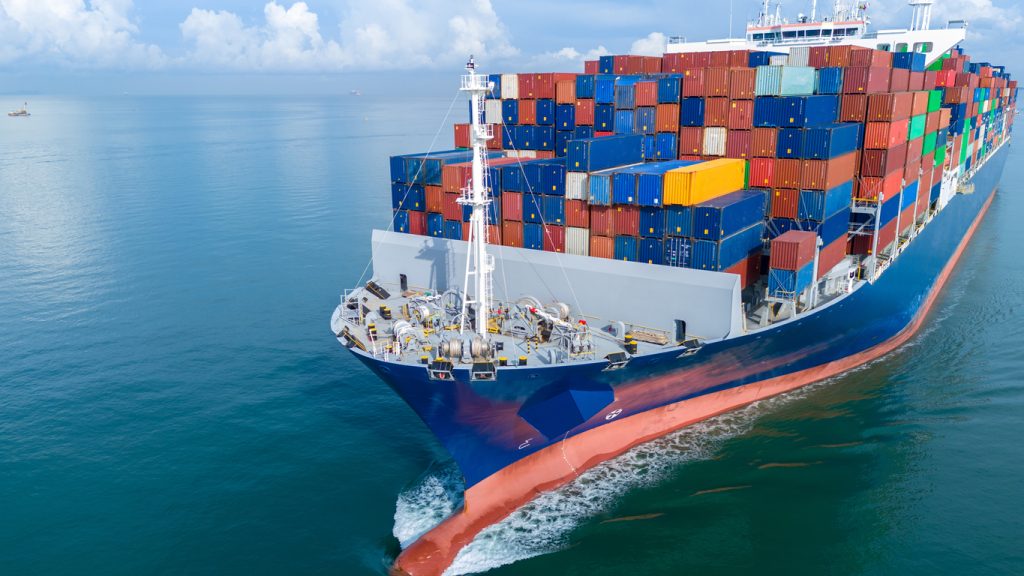
Cargo delayed due to strike in Nigeria refers to a situation where imported or exported goods are stuck at ports, terminals, or in transit because workers, unions, or transport operators have stopped work. This disruption can happen at Apapa Port, Tin Can Island Port, Lekki Port, or along logistics routes.
In simple terms, it means your goods cannot move because people responsible for handling them are on strike.
Types of Strikes That Cause Cargo Delays
1. Dockworker Strike
Affects:
- Loading and unloading of vessels
- Container handling
- Yard operations
2. Customs or Port Authority-Related Strike
Can lead to:
- Clearance suspension
- Inspection delays
- Documentation backlog
3. Truck Drivers Strike
Impacts:
- Cargo evacuation from port
- Inland delivery to warehouses
- Distribution movement
4. Terminal Operator Disputes
Causes slowdown in:
- Container release
- Equipment operations
- Port logistics flow
Causes of Strike-Related Cargo Delays in Nigeria
1. Wage Disputes
Workers demand:
- Higher salaries
- Payment of arrears
- Better allowances
2. Poor Working Conditions
Includes:
- Unsafe environments
- Lack of equipment
- Excessive workload
3. Policy or Contract Disputes
Between:
- Government agencies
- Port operators
- Labour unions
4. Job Security Issues
Especially where outsourcing or restructuring occurs.
5. Industrial Action by Unions
Coordinated strikes to pressure employers or government.
Effects of Cargo Delays Due to Strikes
1. Port Operation Shutdown
Cargo handling slows or stops completely.
2. Vessel Anchorage Delays
Ships remain offshore waiting to berth.
3. Increased Demurrage Charges
Importers pay extra fees for containers stuck at port.
4. Supply Chain Disruption
Affects:
- Manufacturing production
- Retail stock availability
- Import-dependent businesses
5. Cargo Quality Risks
Extended delays can lead to:
- Moisture damage
- Odor contamination
- Heat deterioration
- Packaging breakdown
6. Increased Business Costs
Including:
- Storage fees
- Truck waiting charges
- Operational inefficiencies
Common Locations Affected in Nigeria
- Apapa Port
- Tin Can Island Port
- Lekki Deep Sea Port
- Inland container depots
- Major trucking routes around Lagos
How Cargo Delays from Strikes Are Managed
1. Government Intervention
Authorities step in to resolve disputes.
2. Negotiation with Unions
Agreements are reached on wages and conditions.
3. Temporary Operational Adjustments
Limited services may resume during partial strikes.
4. Use of Alternative Ports
Cargo may be diverted to:
- Onne Port
- Warri Port
- Lekki Deep Sea Port
How Businesses Can Reduce Strike Impact
1. Plan Imports Early
Avoid peak disruption periods.
2. Pre-Clear Documentation
Speeds up release once strike ends.
3. Use Experienced Freight Forwarders
They help navigate delays efficiently.
4. Diversify Port Usage
Do not rely only on Lagos ports.
5. Move Cargo Quickly After Strike Ends
Reduce accumulation of charges.
Cargo Risks During Strike Delays
- High demurrage fees
- Container damage from long storage
- Theft or pilferage risk
- Supply chain breakdown
- Missed business deadlines
Role of Insurance in Strike-Related Delays
Cargo insurance may cover:
- Physical damage during extended delay
- Contamination due to storage conditions
- Transit-related risks
However, delay costs like demurrage are generally not covered unless specifically included in the policy.
How Travo.ng Supports Businesses After Clearance
While strike delays affect port operations, efficient inland logistics helps reduce total supply chain disruption once cargo is released.
This is where Travo.ng supports businesses across Nigeria.
Travo.ng provides:
- Cargo pickup from Apapa, Tin Can, and Lekki ports
- Nationwide transportation services
- Interstate logistics coordination
- Commercial cargo delivery
- Distribution support for businesses
- Last-mile delivery solutions
Reliable logistics planning helps businesses recover faster after strike-related disruptions.
Final Insight
Cargo delays due to strikes in Nigeria are caused by industrial actions such as wage disputes, labour conflicts, and policy disagreements. These disruptions can severely affect supply chains, increase costs, and delay deliveries. Proper planning, alternative routing, and strong logistics coordination are key to reducing their impact.
