


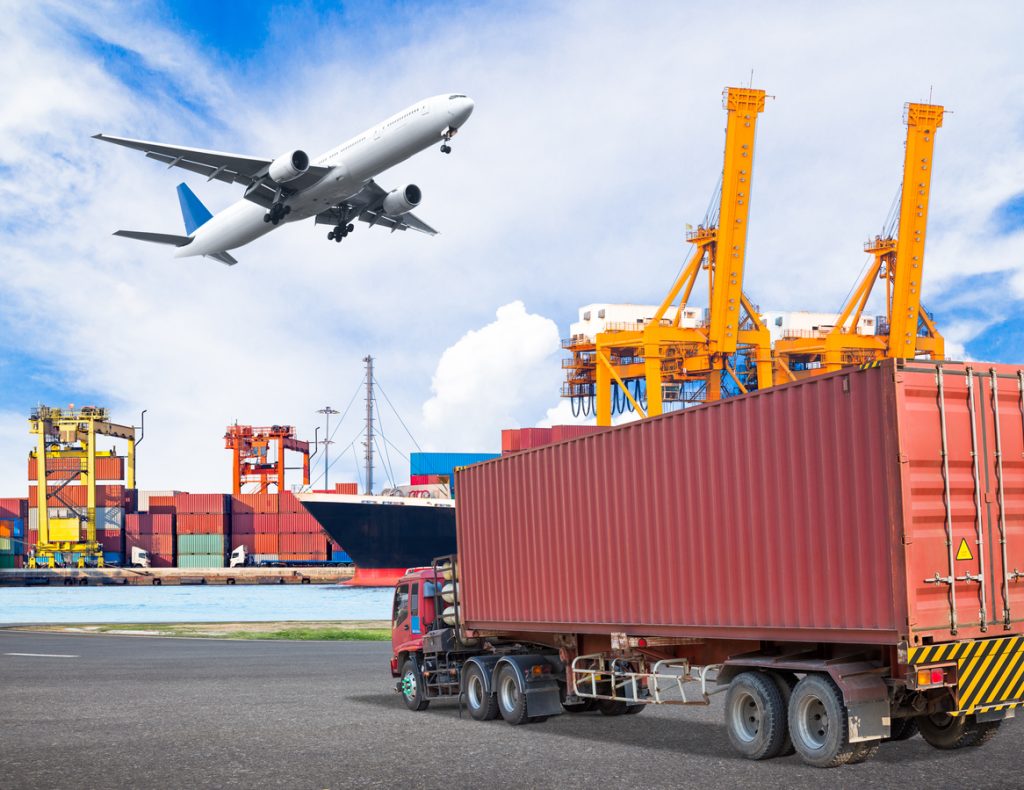
Importing goods by air can be one of the fastest ways to bring products into Nigeria, but the speed of the flight does not always mean the cargo will leave the airport quickly. Importers still need to understand customs assessment, documentation, terminal charges, clearing costs, and the air cargo import duty Nigeria process before their shipment arrives.
For businesses bringing in electronics, machine parts, fashion items, medical equipment, samples, or other time-sensitive goods, proper planning can prevent unexpected costs and airport delays.
What determines air cargo import duty in Nigeria
There is no single duty rate that applies to every air shipment. The amount payable depends largely on what you are importing and how Customs classifies the goods.
Important factors normally include:
- The type and value of the goods
- The applicable HS code
- Freight and insurance costs
- Customs duty rate for the product category
- Applicable levies and taxes
- Whether the item requires additional permits or approvals
For example, importing commercial equipment worth several million naira will be treated differently from receiving a small shipment of documents or personal items.
This is why declaring goods simply as “general merchandise” can create problems. Accurate descriptions, invoices, packing lists, and product classifications make the clearance process easier.
What happens when your air cargo lands
For Lagos-bound cargo, many shipments arrive through Murtala Muhammed International Airport. Arrival is only the beginning of the local process.
The shipment must normally be matched with its airway bill and supporting documents before customs clearance can proceed. Depending on the goods involved, the importer or clearing representative may also need regulatory documentation.
After assessment and payment, the cargo may still need to pass through inspection, terminal release, and pickup arrangements.
A shipment that spends only six hours in the air can therefore remain at the cargo terminal for several days if the paperwork is incomplete.
Businesses importing urgently needed stock should prepare clearance documents before the aircraft arrives rather than waiting until the cargo is already sitting at the airport.
Costs importers often forget to budget for
Import duty is only one part of the final landing cost.
A realistic air cargo budget may also include freight charges, handling fees, clearing expenses, airport terminal charges, documentation costs, local transportation, and possible storage charges.
Storage can become particularly expensive when cargo remains uncleared longer than expected.
For instance, a Lagos business importing replacement machinery may focus on the supplier’s invoice and air freight cost but fail to budget for clearance and onward delivery from the airport to Ikeja, Lekki, Ogun State, or another destination.
Before shipping, it is safer to calculate the expected landed cost rather than looking at duty alone.
How to reduce avoidable clearance delays
Many air cargo delays come from documentation problems that could have been resolved before departure.
Confirm the commercial invoice, packing list, consignee details, airway bill information, and product description early. If the goods require permits or regulatory approvals, arrange them before the shipment arrives.
Importers should also avoid deliberately undervaluing goods. Customs may reassess shipments where the declared value appears unrealistic, potentially creating additional delays and costs.
Companies importing regularly should keep proper records of previous classifications, invoices, and clearance documents. This can make future shipments more predictable.
Moving cleared cargo from the airport
Once the shipment is released, another practical issue begins: getting it to its final destination.
Some cargo can fit into a standard vehicle, while bulky cartons, commercial stock, or machinery may require a van or truck. Pickup timing also matters because Lagos traffic can significantly affect delivery schedules, especially when cargo is moving from the airport towards Victoria Island, Lekki, Ajah, or locations outside Lagos.
Travo.ng can support businesses and individuals with cargo logistics, transport coordination, courier delivery, vehicle arrangements, and onward delivery after clearance.
This is particularly useful when an importer needs one provider to coordinate movement instead of separately arranging airport pickup and final-mile transportation.
Plan your air cargo before it reaches Nigeria
Understanding air cargo import duty Nigeria requirements before shipping gives you a clearer picture of the real cost of importing.
Confirm the classification of your goods, prepare your documents early, estimate clearance and terminal expenses, and arrange transportation before the shipment lands.
For businesses that need help coordinating cargo movement and delivery after arrival, Travo.ng provides practical logistics support for shipments moving within Lagos and to destinations across Nigeria.
