


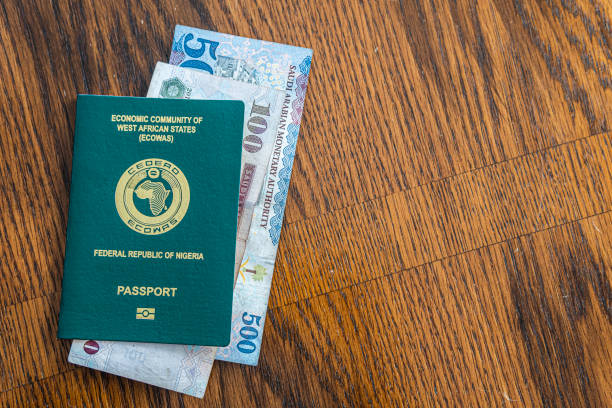
Government travel booking paid in Naira is how ministries, agencies, and public institutions in Nigeria organize international travel for officials, delegations, training programs, and diplomatic missions without directly paying in foreign currency.
In reality, airline tickets and hotels are priced globally in USD, GBP, or EUR. But government travel is not usually processed in foreign currency at the point of payment. Instead, it is handled through approved travel management agencies, procurement frameworks, and IATA-accredited systems that convert everything into Naira billing.
So while the travel is international, the financial processing remains local in ₦.
What Government Travel Booking in Naira Means
It refers to official travel arrangements for:
- Ministry officials and staff
- State and federal delegations
- Diplomatic missions and embassy travel
- Training and capacity-building programs
- International conferences and summits
- Official inspections and bilateral meetings
All travel costs are consolidated and paid in Naira through approved government processes.
How Government Travel Booking in Naira Works
The process is structured and procurement-controlled:
- Government department submits approved travel request
- Approved travel agency sources flights via global airline systems (IATA/GDS)
- Compliant fare options are selected based on policy
- Total cost is converted into Naira
- Official invoice is issued to government accounting unit
- Payment is processed via government-approved bank channels
- Ticket is issued on airline reservation system
Even though pricing is global, payment and budgeting are handled in Naira.
Why Governments Pay for Travel in Naira
From real public sector travel operations, Naira billing is used because:
- It ensures transparent public financial management
- It simplifies budget planning in national currency
- It supports audit and procurement compliance
- It reduces exposure to FX volatility
- It centralizes travel expenses under government systems
This is especially important for accountability in public spending.
How Government Travel Booking Is Managed in Practice
1. Approved Government Travel Agencies (Primary Method)
This is the main channel used in Nigeria.
How it works:
- Ministry or agency submits travel approval
- Approved vendor (travel agency) checks airline systems
- Compliant fare options are presented
- Invoice is issued in Naira
- Government payment is processed through official channels
- Ticket is issued immediately
Best for:
- Federal ministries
- State governments
- Government agencies and parastatals
2. Framework Agreements with Airlines
Some governments operate under negotiated airline agreements.
Examples:
- British Airways
- Qatar Airways
- Emirates
- Lufthansa
- Air France / KLM
How it works:
- Government signs travel framework agreement
- Pre-approved fares or discounts are applied
- Billing is handled locally in Naira via designated agencies
- Tickets are issued under official government codes
Best for:
- Diplomatic travel
- High-level delegations
- International cooperation programs
3. Diplomatic and Embassy Travel Channels
Embassies and foreign missions also use structured travel systems.
How it works:
- Travel is pre-approved under diplomatic budget
- Agencies handle booking and ticketing
- Costs are billed in Naira for local processing
- Settlement is handled through government or mission accounts
Best for:
- Embassy staff
- Foreign service officers
- International representatives
Real Example: Government Travel Paid in Naira
A typical scenario:
- Route: Abuja → Geneva
- Purpose: UN conference
- Airline: Ethiopian Airlines / Lufthansa
- Fare: $1,200
- Exchange rate: ₦1,400/$
- Final cost: ₦1.68M
- Payment: Government-approved bank transfer in Naira
- Ticket issuance: same day
Even though the system is global, the transaction is fully processed in Naira.
Common Challenges in Government Travel Booking
Even with structured systems, challenges include:
- Bureaucratic approval delays
- Exchange rate fluctuations affecting budgets
- Procurement compliance requirements
- Limited access to discounted fares due to approval timing
- Last-minute changes in official schedules
These are common in public sector travel management.
How Government Reduces Travel Costs in Naira
To manage expenditure efficiently, government bodies often:
- Plan travel early in budget cycles
- Use framework agreements with airlines and agencies
- Restrict travel class according to policy (economy/business rules)
- Consolidate multiple delegations where possible
- Enforce strict approval processes
This ensures better control of public funds.
Final Reality of Government Travel Booking in Naira
Government travel booking in Nigeria is not locally priced airfare—it is a global airline fare system managed through procurement-approved agencies and converted into Naira for public financial accountability.
The system exists to ensure transparency, compliance, and proper budgeting while still enabling international representation and participation.
The real value is governance control: structured spending, audit compliance, and predictable travel management.
