


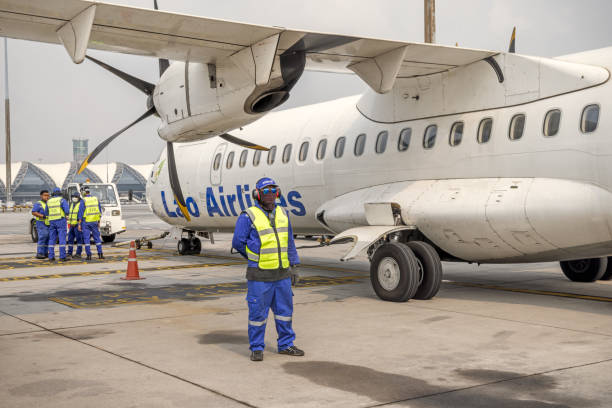
Airplane ownership management solutions refer to comprehensive aviation services that handle the operational, technical, financial, and regulatory responsibilities of owning an aircraft. These solutions are designed to help private owners, corporations, and investors manage aircraft efficiently while maximizing safety, compliance, and return on investment.
Owning an airplane is not just a luxury or transportation decision—it is a complex asset investment that requires continuous oversight. Without structured management, aircraft can quickly become expensive to maintain and underutilized.
What airplane ownership management solutions actually mean
These solutions cover all services required to operate and maintain an aircraft throughout its lifecycle.
They include:
- Aircraft acquisition support and valuation
- Flight operations and scheduling
- Maintenance, repair, and airworthiness management
- Crew hiring and operational coordination
- Regulatory compliance and aviation documentation
- Charter and leasing revenue optimization
- Financial reporting and performance tracking
In simple terms, they transform aircraft ownership into a managed aviation business.
Why airplane ownership management solutions are important
Aircraft ownership involves high capital investment and strict regulatory requirements.
Without proper management, owners face:
- High operating and maintenance costs
- Low aircraft utilization rates
- Complex regulatory compliance demands
- Crew coordination challenges
- Downtime due to poor maintenance planning
- Poor return on investment
Management solutions ensure the aircraft remains safe, efficient, and financially productive.
Core components of airplane ownership management solutions
1. Aircraft acquisition and investment advisory
Proper acquisition determines long-term performance.
This includes:
- Aircraft selection based on mission type (private, corporate, cargo, charter)
- Market valuation and pricing analysis
- Inspection of aircraft condition and history
- Financing and leasing structure recommendations
- Risk and lifecycle cost assessment
This ensures investors acquire the right aircraft for their needs.
2. Flight operations and scheduling management
Aircraft must be efficiently utilized to generate value.
Management includes:
- Flight planning and route optimization
- Airport slot coordination
- Domestic and international trip scheduling
- Minimizing aircraft idle time
- Coordinating last-minute travel requests
Better scheduling improves aircraft productivity.
3. Maintenance and airworthiness oversight
Safety and compliance depend on strict technical control.
This involves:
- Routine inspections and servicing
- Engine and system maintenance checks
- Coordination with certified MRO providers
- Airworthiness certification tracking
- Emergency maintenance response
Proper maintenance reduces downtime and risk.
4. Crew management and operational support
Aircraft require certified aviation professionals.
This includes:
- Pilot recruitment and scheduling
- Cabin crew coordination (where applicable)
- Training and certification tracking
- Duty time and fatigue management
- Operational readiness planning
Well-managed crews ensure safe operations.
5. Charter and leasing optimization
Aircraft can generate revenue when not in private use.
Management handles:
- Private charter booking systems
- Corporate and VIP flight services
- Aircraft leasing arrangements (dry or wet lease)
- Pricing strategy and contract negotiation
- Revenue optimization for idle flight hours
This improves return on investment.
6. Regulatory compliance and documentation
Aviation is one of the most regulated industries.
Management ensures:
- Aircraft registration and licensing compliance
- Aviation authority regulations adherence
- Insurance and liability coverage
- Safety audits and reporting
- International compliance (ICAO, FAA, EASA standards)
Non-compliance can lead to grounding or penalties.
7. Financial reporting and asset performance tracking
Transparency is essential for investors.
Reports include:
- Revenue per flight hour
- Cost per operational hour
- Maintenance expenditure breakdown
- Net profit analysis
- ROI tracking and forecasting
- Charter vs private usage comparison
This helps owners make informed decisions.
Key performance indicators (KPIs)
Aircraft ownership management solutions are measured using:
- Aircraft utilization rate (flight hours)
- Cost per flight hour
- Revenue per aircraft
- Maintenance downtime percentage
- On-time departure performance
- Fuel efficiency metrics
- Return on investment (ROI)
These indicators define operational and financial success.
Types of airplane ownership management models
1. Full-service management model
- Complete operational and financial control
- Ideal for private owners and investment groups
2. Charter-based revenue model
- Focus on generating income from flight bookings
- Reduces ownership cost burden
3. Hybrid ownership model
- Combination of private use and charter operations
- Balances convenience and revenue generation
4. Corporate fleet management model
- Designed for companies operating multiple aircraft
- Focus on efficiency and cost optimization
Challenges in airplane ownership management
Aircraft ownership is complex and resource-intensive.
Common challenges include:
- High maintenance and operational costs
- Strict aviation regulations
- Limited availability of aviation professionals
- Scheduling complexity for global operations
- Downtime during maintenance cycles
- Fuel price volatility
These require expert oversight.
Risks of poor airplane ownership management
Without structured solutions, owners may experience:
- Low aircraft utilization
- High operational losses
- Regulatory violations and grounding risks
- Maintenance cost overruns
- Inefficient charter or leasing performance
- Asset depreciation without returns
Poor management turns aircraft into financial liabilities.
How ownership management solutions improve ROI
When properly implemented, they deliver:
- Higher aircraft utilization rates
- Reduced operational and maintenance costs
- Increased charter and leasing revenue
- Strong regulatory compliance
- Better scheduling efficiency
- Transparent financial reporting
This ensures sustainable investment returns.
Technology used in airplane ownership management
Modern aviation management relies on:
- Flight tracking and scheduling platforms
- Aircraft health monitoring systems
- Predictive maintenance analytics
- Fuel and cost optimization tools
- Aviation compliance software
- Real-time reporting dashboards
Technology enhances efficiency, safety, and transparency.
Where logistics coordination fits into aircraft ownership
Even well-managed aircraft depend on broader logistics systems.
This includes:
- Airport ground handling coordination
- Passenger logistics and scheduling
- Air cargo integration
- International freight coordination
Delays in logistics can affect aircraft utilization and revenue performance.
How Travo.ng supports logistics coordination
While airplane ownership management solutions focus on aircraft operations and investment optimization, logistics coordination ensures smooth movement of cargo and passengers across the supply chain.
Travo.ng supports logistics operations through:
- Cargo consolidation and freight coordination
- Intercity and interstate delivery services
- Port-to-destination logistics support
- Supply chain coordination across Nigeria
- End-to-end logistics execution for cargo movement
This helps reduce delays that affect aviation efficiency and asset performance.
Final thoughts
Airplane ownership management solutions are essential for transforming aircraft ownership into a structured, compliant, and profitable investment. Because aviation involves high costs, strict regulations, and technical complexity, professional management is critical for long-term success.
When properly managed, aircraft become high-performing assets that generate value through optimized utilization, charter opportunities, and efficient operational control.
In modern aviation investment, success is not defined by ownership alone—but by how effectively the aircraft is managed throughout its entire lifecycle.
